Category: Two Way Radio

Blog of Two Way Radios

  • How to achieve seamless communication?Interworking between walkie talkies, telephones, and mobile phones

    In daily life, we often need to communicate with others. Whether at home, work, or on a trip, communication is indispensable. However, the communication devices we use vary in different situations and environments. Sometimes we need to use telephones, sometimes we need to use walkie talkies, and sometimes we need to use mobile phones. How to achieve seamless communication between these different communication devices? This article will introduce the methods of intercom communication with telephones and mobile phones.
    1、 Interworking between walkie talkies and telephones

    A walkie talkie is a communication device widely used in industries, construction, logistics, and other fields. It has the characteristics of long communication distance, stable signal, and low power consumption. However, the disadvantage of walkie talkies is also evident, as they can only communicate with people who are also using walkie talkies and cannot communicate with telephones. So, how do we make the walkie talkies and telephones interconnected?

    1. Use walkie talkie gateway

    A walkie talkie gateway is a device that enables communication between walkie talkies and telephones. It can convert the signal of the walkie talkie into a telephone signal, thereby achieving communication between the walkie talkie and the telephone. When using the walkie talkie gateway, it is necessary to connect the walkie talkie to the gateway, and then connect the gateway to the telephone, so as to achieve communication between the walkie talkie and the telephone.

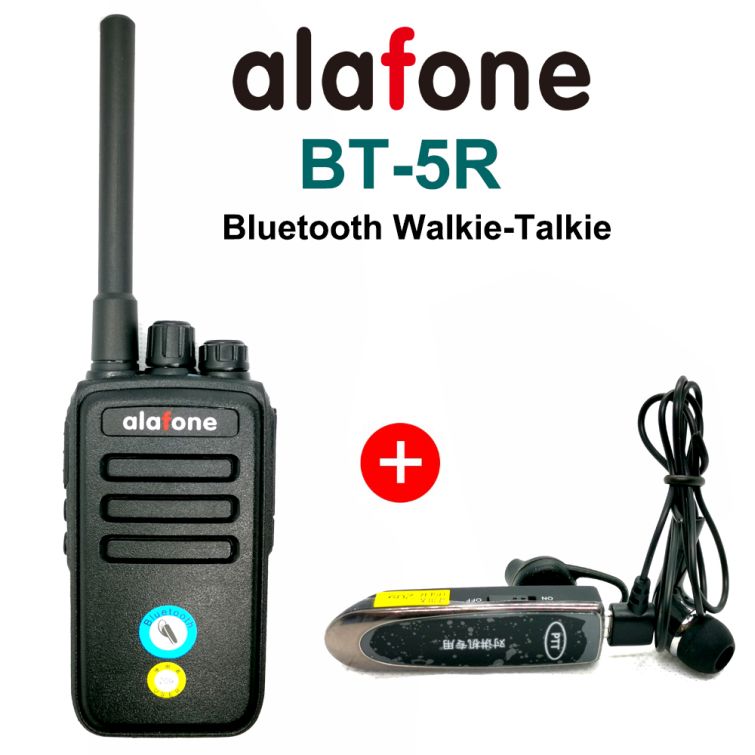
    1. Use walkie talkie Bluetooth earphones

    Bluetooth earphones for walkie talkies are devices that can communicate between walkie talkies and mobile phones. It can convert the signal of the walkie talkie into Bluetooth signal, thereby achieving communication between the walkie talkie and the mobile phone. When using the walkie talkie Bluetooth earphones, it is necessary to connect the walkie talkie to the Bluetooth earphones, and then connect the Bluetooth earphones to the phone, so as to achieve communication between the walkie talkie and the phone.

    2、 Interworking between telephone and mobile phone

    A telephone is a communication device widely used in households, offices, and other occasions. It has the characteristics of high communication quality and good stability. However, with the popularity of mobile phones, more and more people are starting to use them for communication. So, how to make the telephone and mobile phone communicate with each other?

    1. Use Bluetooth earphones on the phone

    A Bluetooth earphone for a telephone is a device that can communicate with a mobile phone. It can convert the signal of the telephone into Bluetooth signal, thereby achieving communication between the telephone and the mobile phone. When using Bluetooth earphones on a telephone, it is necessary to connect the telephone to the Bluetooth earphones, and then connect the Bluetooth earphones to the phone, so as to achieve communication between the telephone and the phone.

    1. Use telephone gateway

    A telephone gateway is a device that can communicate between a telephone and a mobile phone. It can convert the signal from the telephone into a mobile phone signal, thereby achieving communication between the telephone and the mobile phone. When using a telephone gateway, it is necessary to connect the telephone to the gateway, and then connect the gateway to the mobile phone, so as to achieve communication between the telephone and the mobile phone.

    3、 Interworking between walkie talkies, telephones, and mobile phones

    Interworking between walkie talkies, telephones, and mobile phones is a method that enables the interconnection of multiple communication devices. It can convert signals between walkie talkies, telephones, and mobile phones, thereby achieving seamless communication between various communication devices. So, how to achieve interoperability between walkie talkies, telephones, and mobile phones?

    1. Use a multifunctional gateway

    A multifunctional gateway is a device that can convert signals between walkie talkies, telephones, and mobile phones. It can convert signals between walkie talkies, telephones, and mobile phones, thereby achieving seamless communication between various communication devices. When using a multifunctional gateway, it is necessary to connect walkie talkies, telephones, and mobile phones to the gateway, so as to achieve seamless communication between walkie talkies, telephones, and mobile phones.

    1. Use multifunctional Bluetooth earphones

    Multi functional Bluetooth earphones are devices that can convert signals between walkie talkies, telephones, and mobile phones. It can convert signals between walkie talkies, telephones, and mobile phones, thereby achieving seamless communication between various communication devices. When using multifunctional Bluetooth earphones, it is necessary to connect the walkie talkie, telephone, and mobile phone to the Bluetooth earphones, so as to achieve seamless communication between the walkie talkie, telephone, and mobile phone.
    4、 The advantages of walkie talkies

    A walkie talkie is a portable, real-time communication method with the following advantages:

    1. Strong real-time performance

    The biggest feature of walkie talkies is real-time communication, without the need to wait for dialing and answering calls. This means that when urgent communication is needed within the enterprise, walkie talkies can complete tasks more quickly.

    1. Strong portability

    Walkie talkies are usually small and lightweight, and can be carried around. This means that walkie talkies can facilitate communication when employees need to move between different locations.

    1. Group communication

    The walkie talkie can communicate in groups, which means that multiple people can communicate simultaneously. This is very useful for teams that require collaborative work within the enterprise.

    Summary

    From the above introduction, we can see that intercom, telephone, and mobile phone communication is a method that can achieve communication between multiple communication devices. In different occasions and environments, we can choose different communication methods to achieve seamless communication. When using intercommunication devices, it is necessary to pay attention to the connection method and signal conversion method between devices to ensure communication quality and stability. The advantages of walkie talkies

  • How to choose a commercial walkie talkie?

    What are the advantages and characteristics of commercial walkie talkies?

    Commercial venues such as hotels, shopping malls, and properties often choose commercial walkie talkies because they have multiple functions and characteristics, suitable for daily team collaboration, customer service, security monitoring, and other application scenarios. The performance and convenience of commercial walkie talkies provide efficient communication tools for mall and property managers, as well as convenient room service and employee collaboration tools for hotels.

    So in terms of functional design and performance, there are still some differences between commercial walkie talkies and regular walkie talkies:

    Appearance and Design:

    Commercial walkie talkies typically adopt a compact and lightweight design, making them easy to carry and use. They have a simple appearance, beautiful appearance, and meet the requirements of the business environment.

    Communication range:

    In addition to the compact and portable body, it is also crucial to ensure clear communication, especially when crossing floors.

    If the communication range can cover several kilometers, it is sufficient to meet the communication needs of small and medium-sized places such as shopping malls, hotels, and property management. The Eason H78 public network walkie talkie can meet the needs of users for unlimited distance coordination and instant messaging through its wide coverage of 4G networks, while also providing clearer and more authentic sound quality.

    Charging method:

    Commercial walkie talkies generally use detachable rechargeable batteries or rechargeable lithium batteries, making it easy for users to replace or charge the batteries. The Eason H78 public network walkie talkie can achieve both landline and line charging, and supports a USB charging port, making charging more convenient. Large capacity lithium batteries can delay battery life, improve work efficiency, and avoid frequent charging in a short period of time.

    Anti drop and durable:

    When choosing a walkie talkie, the first consideration should be cost-effectiveness, especially for walkie talkies used in shopping malls, which have a high frequency of use. Therefore, the anti drop and durability of walkie talkies are important. It is normal for walkie talkies to fall to the ground during daily use, but it is required that they can be picked up and used normally. Nowadays, many walkie talkies can achieve IP54 waterproof and dustproof, and the outer shell is also wrapped in a harder ABS material, which is more resistant to construction than ordinary mobile phones.

    Easy to manage: Commercial walkie talkies can be remotely managed and programmed through software or intercom backend, facilitating centralized management and maintenance of multiple walkie talkies. For example, some public network walkie talkies will build a walkie talkie management and scheduling platform in the background, with clear sound quality, unlimited distance communication, and powerful cluster functions such as single call and group call, helping hotel properties to more efficiently manage personnel and work scheduling.

    There are a wide variety of walkie talkies in the industry market, leaving many buyers at a loss. Many people, out of their hobbies and interests, will buy amateur walkie talkies to play with. Small power walkie talkies do not require certification. walkie talkies with a power of ≥ 5W are considered professional walkie talkies and must comply with laws and regulations for certification before use. Commercial walkie talkies are more targeted and require more functions, not just clear sound quality, because they are designed to improve management and work efficiency.

  • Why Bluetooth walkie talkies need add a PTT cable to connect a walkie talkie ?

    Many people do not understand why it is necessary to add a PTT cable to connect a regular walkie talkie when Bluetooth walkie talkies have already achieved the function of intercom. Isn’t this unnecessary ?

    Why say that ?

    Most of the friends who purchase Bluetooth walkie talkies are for riding motorcycles or short distance walkie talkies, while ordinary walkie talkies are too bulky and not suitable for direct use while riding, after all, not everyone’s technology is good enough to ride with one hand.

    So, at this point, it is necessary to use a Bluetooth walkie talkie that can not only achieve intercom, but also answer and make calls, listen to music, and navigate. It also has waterproof and windproof performance, and can reduce the noise caused by high-speed interference. It is fully functional and lightweight.

    Yes, any feature exists to meet user needs.

    Mobile enthusiasts who love group activities know that walkie talkies are very practical when cycling in teams, but currently there is no Bluetooth walkie talkie that can meet the needs of more than ten people for cycling activities. Simply using FM walkie talkies is not very convenient. Firstly, the headphones equipped with FM walkie talkies are uncomfortable to wear, and secondly, it is unsafe to leave the handlebars when speaking.

    At this point, it highlights the beauty of using PTT cables to connect Bluetooth walkie talkies. We can directly adjust the FM walkie talkie and put it in our bag, and then connect it to the Bluetooth walkie talkie through a PTT cable. At this time, the Bluetooth walkie talkie is actually equivalent to a Bluetooth earphone, but it can free up our hands and make cycling safer.

    Isn’t it okay to buy a Bluetooth earphone like this?

    Since Bluetooth walkie talkies have basically met the needs of cycling, is adding a PTT cable effective?

    No, it’s not. Ordinary Bluetooth earphones cannot be connected to walkie talkies, while some professional helmet Bluetooth earphones may not be fully functional even though they can be connected to walkie talkies. Moreover, there are not many cycling activities with more than ten people, and in daily situations, there are only two or three people riding in a team. Using Bluetooth walkie talkies is completely sufficient, and it is not necessary to equip all of them with an FM walkie talkie, which is bulky and inconvenient to carry.

    Summary: Bluetooth walkie talkies are very suitable for cycling needs in all aspects.

  • How to refit walkie talkie battery?

    Principle of work

    1. Transmission part: The RF carrier signal generated by the phase-locked loop and voltage controlled oscillator (VCO) is amplified through buffering, encouraging amplification, and power amplifier to generate additional RF power. The harmonic components are suppressed through an antenna low-pass filter, and then transmitted through the antenna.
    2. Receiving part: The receiving part mixes the amplified signal from the future RF with the top local oscillator signal from the phase-locked loop frequency synthesizer circuit at the top mixer and generates the top intermediate frequency signal. The top intermediate frequency signal is further eliminated by a crystal filter to eliminate clutter signals in adjacent channels. The filtered top intermediate frequency signal enters the intermediate frequency processing chip and is further mixed with the second local oscillator signal to generate the second intermediate frequency signal. The second intermediate frequency signal is filtered out by a ceramic filter to remove useless stray signals, then amplified and discriminated to generate an audio signal. The audio signal enters the volume control circuit and power amplifier through circuits such as amplification, bandpass filter, and de emphasis, driving the speaker to obtain the information people need.
    3. Modulation signal and modulation circuit: The electrical signal that converts human speech into audio through a microphone.
    4. Signal processing: The CPU generates CTCSS/CDCSS signals that are amplified and adjusted to enter the voltage controlled oscillator to terminate modulation. After receiving the low-frequency signal obtained from frequency discrimination, a portion of it is filtered and shaped by amplifying and sub audio bandpass filters, and enters the CPU. It is compared with the preset value and the result is manipulated to control the output of the audio amplifier and speaker. Assuming it is the same as the preset value, open the speaker, and if it is different, close the speaker.
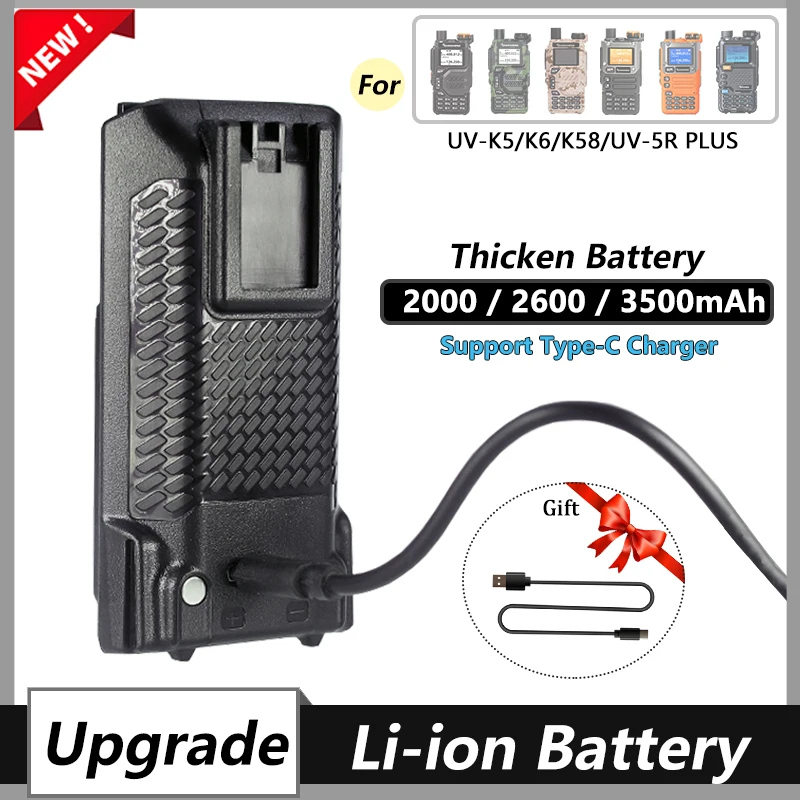
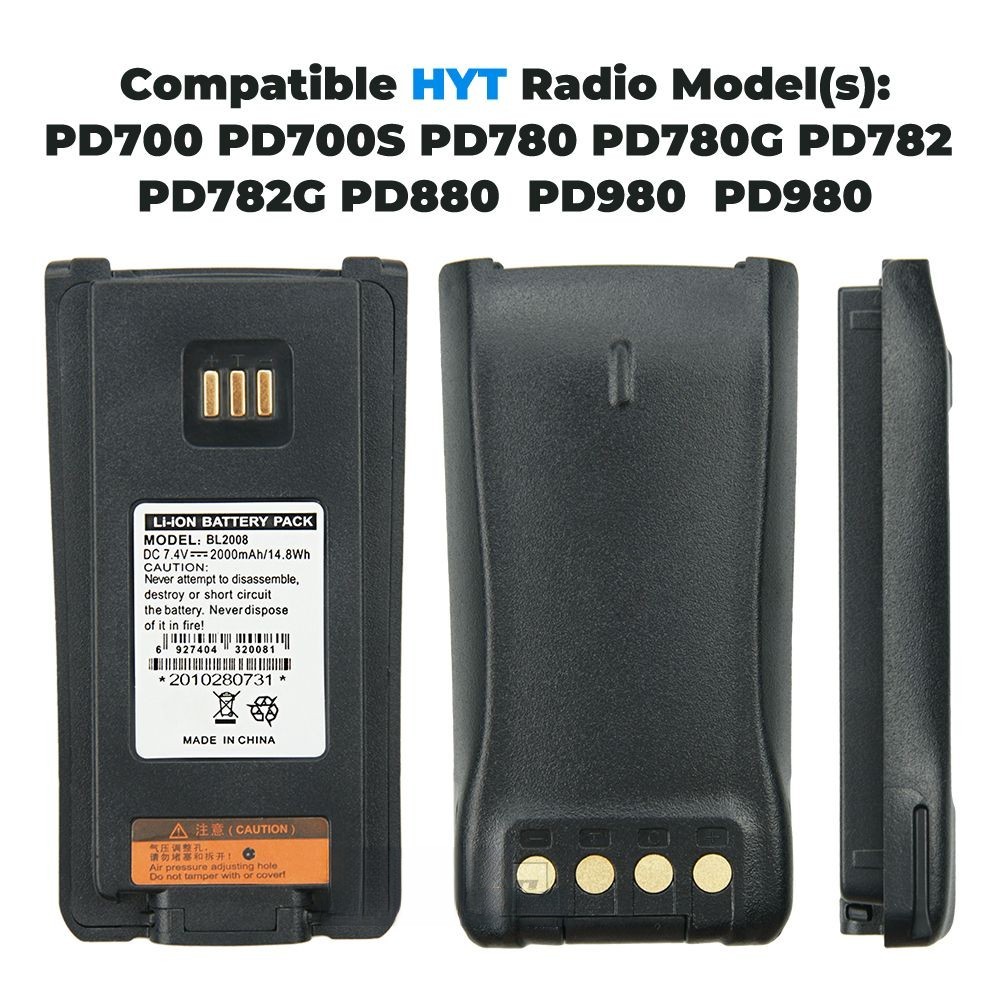
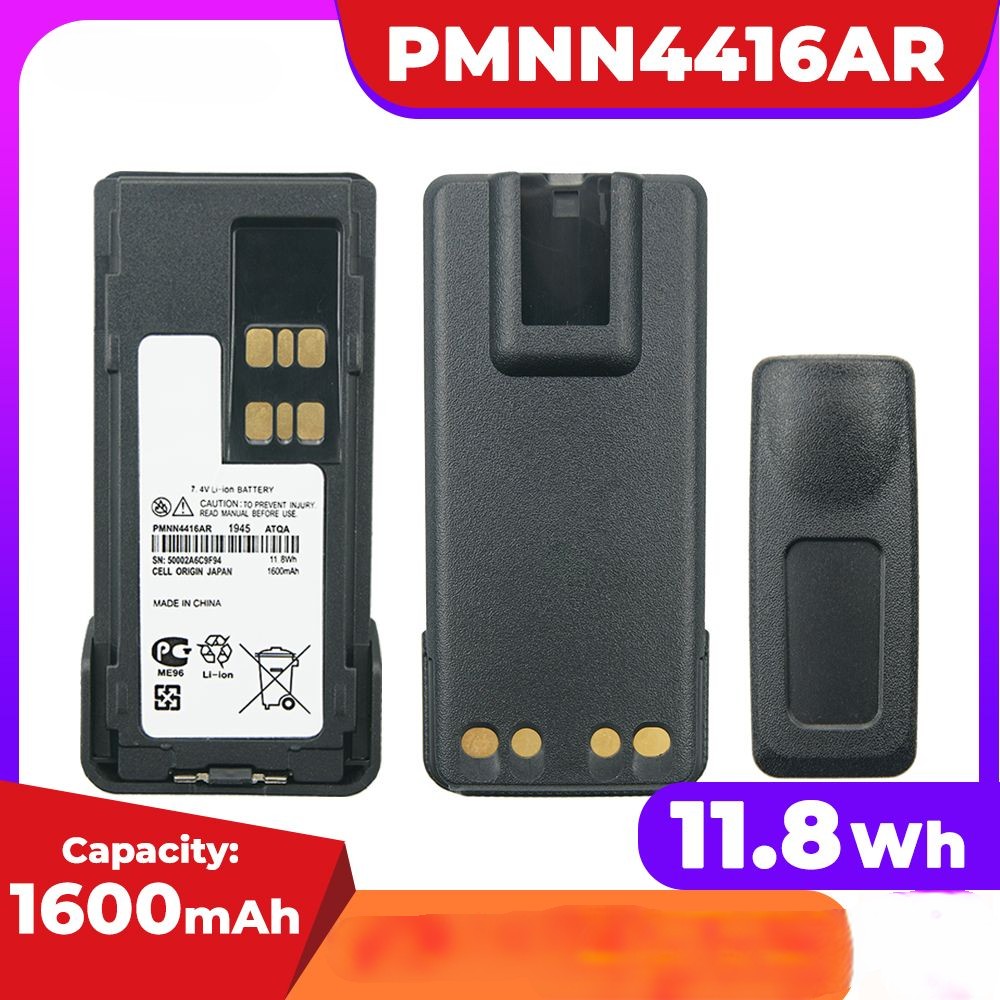
    5. There are many types of batteries used in walkie talkies, and now different walkie talkies have different batteries, generally nickel cadmium batteries and lithium batteries. The usage and capacity of batteries are also different, so it is necessary to pay more attention to battery maintenance and other conditions when using them. Currently, many users are not very satisfied with the usage of walkie talkie batteries. Due to various reasons, To stop the modification of the walkie talkie battery and other related matters, let’s introduce the modification and precautions for the walkie talkie battery below.

    Modification of walkie talkie batteries

    The construction of walkie talkies is very different, so here, taking TK-2207G as an example, we will explain the information about battery modification of walkie talkies. After using walkie talkies for a period of time, it will be discovered that the battery life of walkie talkies is short. Therefore, the innovation of walkie talkie batteries is also a necessary task, and the cost of renovation is not high, and the required materials are not difficult to find.

    Firstly, there is a requirement for two normal mobile phone batteries, with lithium battery cells of the SL-703W-703465 model. The best charging voltage is 4.2V, and the capacity should not be too large, only 1600mAh. Such batteries can be found in general mobile phone stores or some repair shops, and two are enough.

    The walkie talkie is equipped with a regular battery, which usually requires 6 rechargeable 5th batteries for operation. The batteries are very useless, but after modification, the two prepared mobile phone batteries will be connected in series, and diodes and varistors will be added to stop releasing and charging the battery.

    The process is very simple. Just open the outer shell of the walkie talkie, remove the original battery, connect the phone battery in series, install it into the walkie talkie, and stick it firmly with glue. That’s it.

    Precautions for modifying walkie talkie batteries

    If the purchased battery is a new one, it should be fully charged three times before discontinuing use. Moreover, after the modification is completed, it should be tested first to ensure that there is no leakage or power connection before discontinuing work, charging, and other uses.

    Influencing factors

    System parameter

    1) The stronger the output power of the transmitter, the larger the masking range of the transmitted signal, and the farther the communication distance. However, the transmission power should not be too high. Excessive transmission power not only consumes electricity and affects the lifespan of power amplifier components, but also has strong disturbance, affecting the communication function of others and generating radiation pollution. Radio management agencies in various countries have clear rules regarding the transmission power of communication equipment.

    2) The higher the receiving flexibility of the communication machine, the farther the communication distance will be.

    Environmental factors

    Environmental factors mainly include pathways, tree density, electromagnetic disturbances in the environment, buildings, weather conditions, and differences in terrain. These elements and other parameters directly affect the field strength and masking range of the signal.

    After the modification of the walkie talkie battery, the usage time has greatly increased. Moreover, by fully charging the walkie talkie battery for 12 hours, it can be used for a full three days.

  • Vehicle mounted Radio and Repeater, what is the difference?

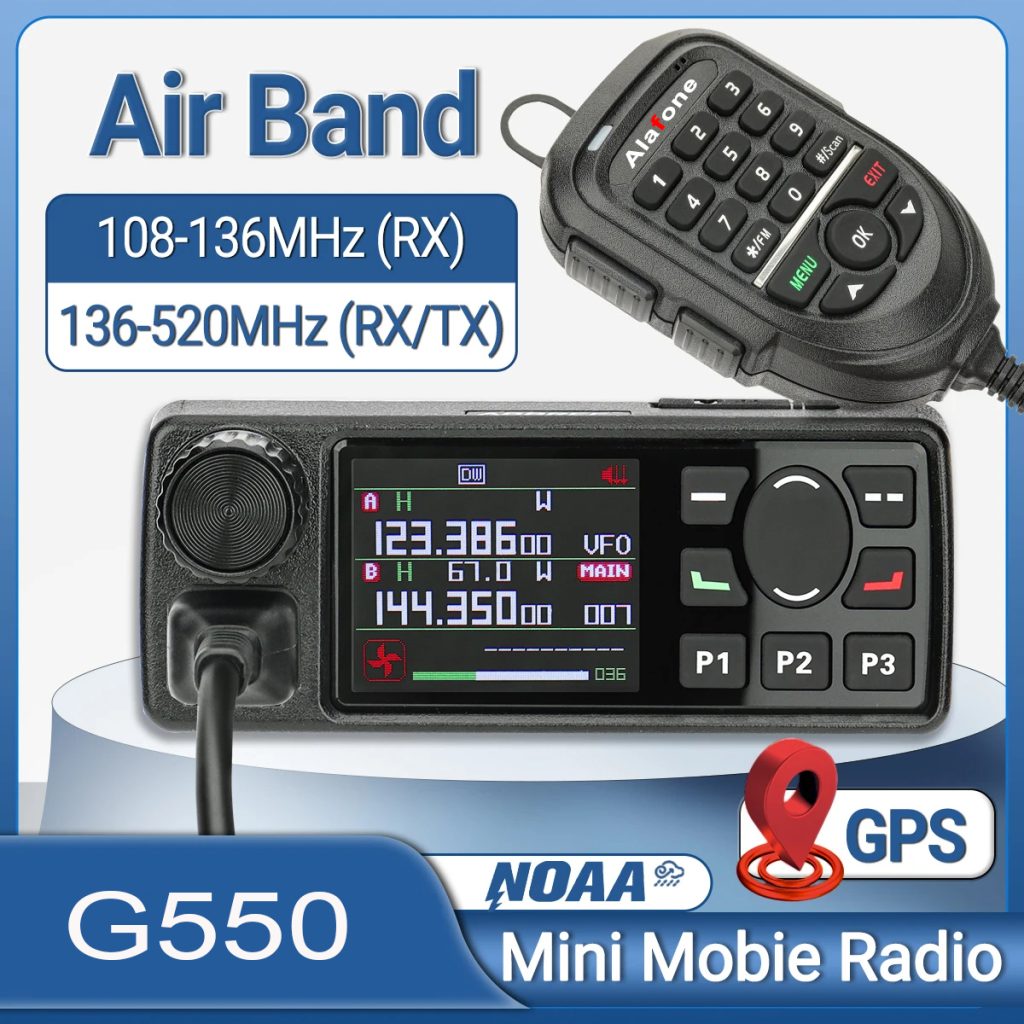
    ALAFONE G550 Mobile Radio 25W 108-520MHz Full Band AM AIR Band 999 Channels Amateur GPS Radio Car Radio Station with Mic

    Vehicle mounted Radio purpose:

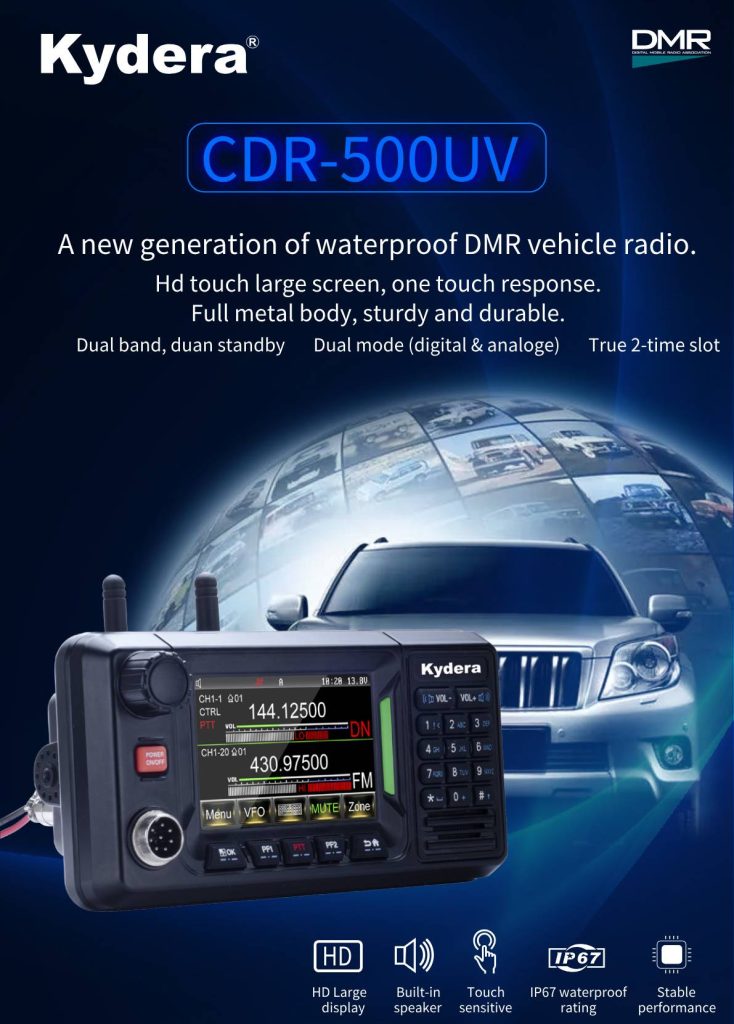
    The onboard station is installed on the vehicle and powered by the onboard power supply and uses the onboard antenna. It can be installed on the vehicle or indoors; Mainly used for transportation, production scheduling, security command and other businesses. It has a large volume, power and communication distance: the power is not less than 10W, usually 25W. The maximum power is 60W for VHF and 50W for UHF, and there are also some on-board stations with a power of 75W in a certain frequency band. The power supply of the car mounted radio is 13.8V. Due to the high transmission power of the car mounted walkie talkie, the communication distance is much longer than that of conventional handheld walkie talkies. The communication distance can reach over 20 kilometers, and in wireless communication networks, the communication distance through the central turntable is significantly increased, reaching tens of kilometers.

    With the rapid development of transportation, especially the increase of private cars, the number of individuals purchasing in car radios (belonging to amateur radio enthusiasts) will continue to expand.

    What is a Repeater ?

    Relay stations are essential equipment for professional wireless communication systems. In wireless intercom systems, relay stations are mainly used to increase communication distance and expand coverage range of devices, such as expanding the call range and communication ability of car mounted stations and handheld intercoms, greatly improving your work efficiency.

    Features of Repeater:

    In wireless intercom systems, relay stations play an extremely important role in increasing communication distance and expanding coverage range. It is an essential equipment for professional wireless communication systems. The relay station is composed of units such as a receiver and a transmitter. Usually working in the state of transmitting and receiving different frequencies, it can demodulate the modulated RF signal received into an audio signal and transmit it to other devices. At the same time, audio signals sent by other devices can also be modulated by radio frequency and transmitted out. The other devices mentioned above include controllers used by various systems, wireless connectors, and other relay stations required for interconnection. The most basic application of a relay station is to directly forward the signal received by the relay station through its own transmitter.

    Application areas of Repeater:

    Therefore, the relay station must be able to work in full duplex, that is, transmit and receive simultaneously, and the transmission must not affect the normal operation of the receiver. Due to the basic characteristics of relay station operation and the combination of multiple relay stations, there are higher and more special requirements for the technical specifications of relay stations compared to mobile stations. In addition to a single channel conventional ground communication system composed of a relay station, multiple distributed antennas can be installed through coaxial cables and power dividers on the relay station to achieve underground and ground coverage communication in buildings such as hotels. In addition, multiple relay stations form a cluster system and various strip or star shaped communication networks. The indicators of relay station debugging and integration installation directly affect the communication distance of the system and the quality and function of the system network voice.

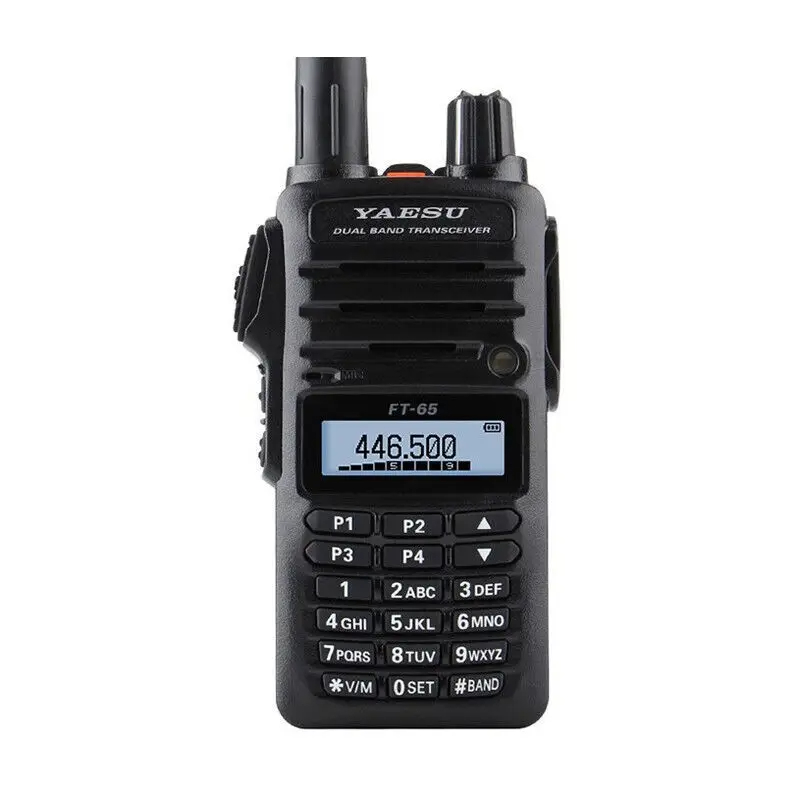
  • Yaesu SSM-16B microphone speaker, suitable for Yaesu FT-65

    Yaesu FT-65 portable dual band radio is an affordable and advantageous transceiver, but the modulation quality is not the best. To address this issue, many FT-65 buyers are waiting for the release of an external microphone speaker suitable for this transceiver.

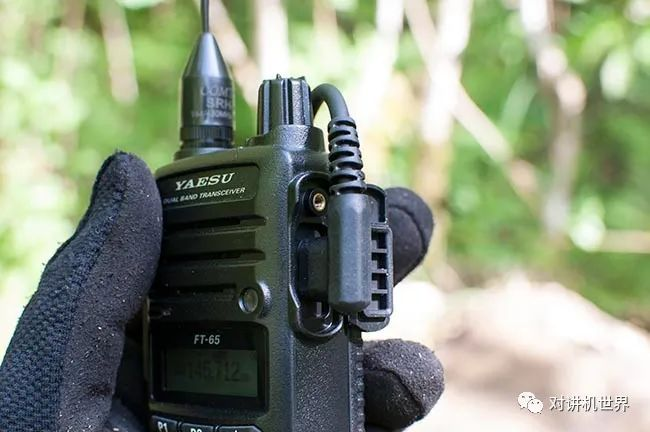
    What makes the situation even more complicated is a non-standard socket that limits the use of very few commercially available microphones. Moreover, Yaesu has provided a headphone microphone throughout, but it is not very suitable for amateur radio stations in the FT-65.

    Heavy duty external microphone suitable for Yaesu FT-65

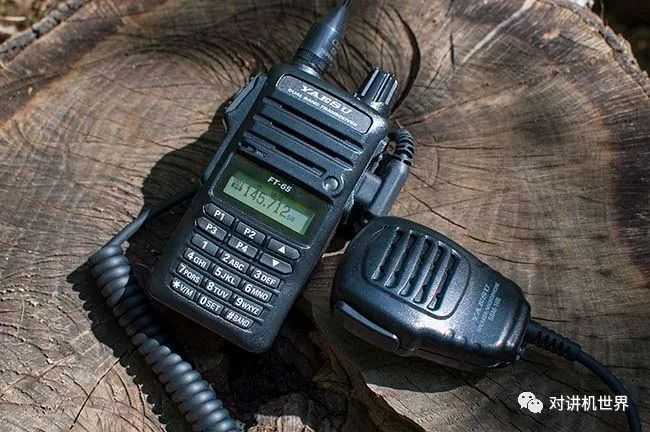
    Therefore, this is the emergence of the SSM-16B microphone speaker, a classic microphone with a spiral cable that can be firmly inserted into the connector of the transceiver. I say it’s firm because it does make it difficult to accidentally disconnect.

    As you can see from the picture, the radio is equipped with a connector with a safety screw. This is a detail that reveals the origin of the Yaesu FT-65 design. This is a transceiver clearly made in China, developed according to the specifications of a Japanese company, and may have borrowed some unusual solutions from other models.

    The SSM-16B microphone is slightly larger than other handheld models, but due to this, it has a good grip and is equipped with a very efficient speaker.

    The cross-section of the spiral cable is very important. At first, I found this feature annoying, but when using it, you will find that the combination of large cross-section cables and stable connectors means durability and reliability. In some cases, it is recommended to thread the cable through the transceiver clip to maintain its position.

    Can SSM-16B really improve the transmission sound quality of Yaesu FT-65?

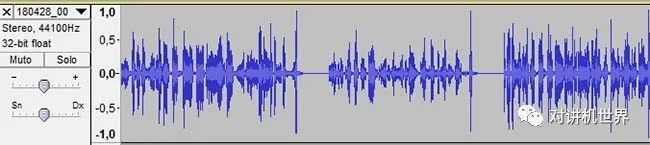
    Absolutely so. The audio is clearer and the dynamic range is larger, almost on par with Yaesu FT-1D. I believe FT-1D is a reference for transmitting audio quality.

    From the audio file below, it is clear to see the difference in modulation quality, and the spectrum analysis curve is almost identical to FT-1D.

    From left to right, Yaesu FT-1D, Yaesu FT-65 without external microphone, Yaesu FT-65 with SSM-16B microphone

    The reception aspect is also good news. The speaker output is powerful and faithful, unlike many other external microphones that have a metallic texture and jingling sound.

    Overall, I would say that for the owner of Yaesu FT-65, the external microphone speaker SSM-16B is a very worthwhile choice to purchase.

    It is priced at around 24 euros, significantly improving the modulation of the radio and increasing its flexibility. In addition, due to the combination of sturdy connectors and large cross-section cables, it is very sturdy and should be able to withstand some rough usage torture.

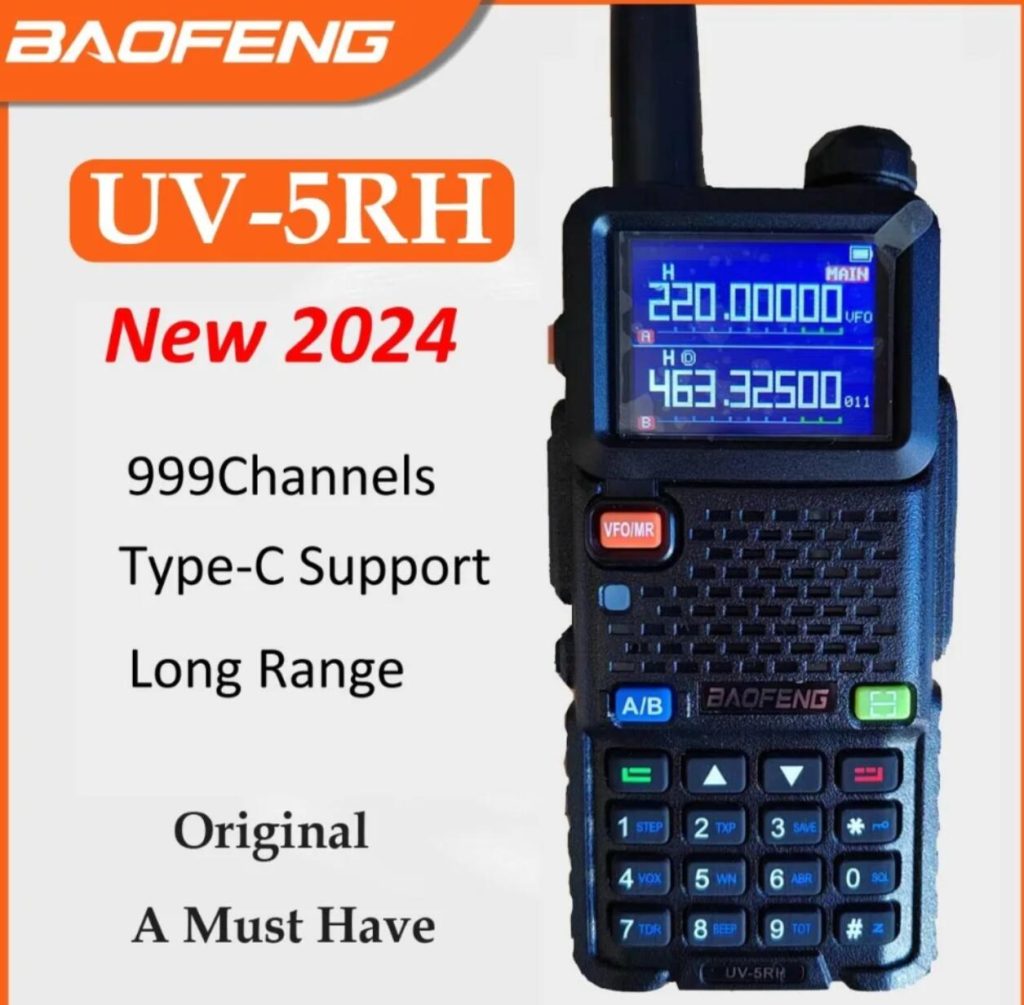
  • Trial use of Baofeng UV-5RH walkie talkie

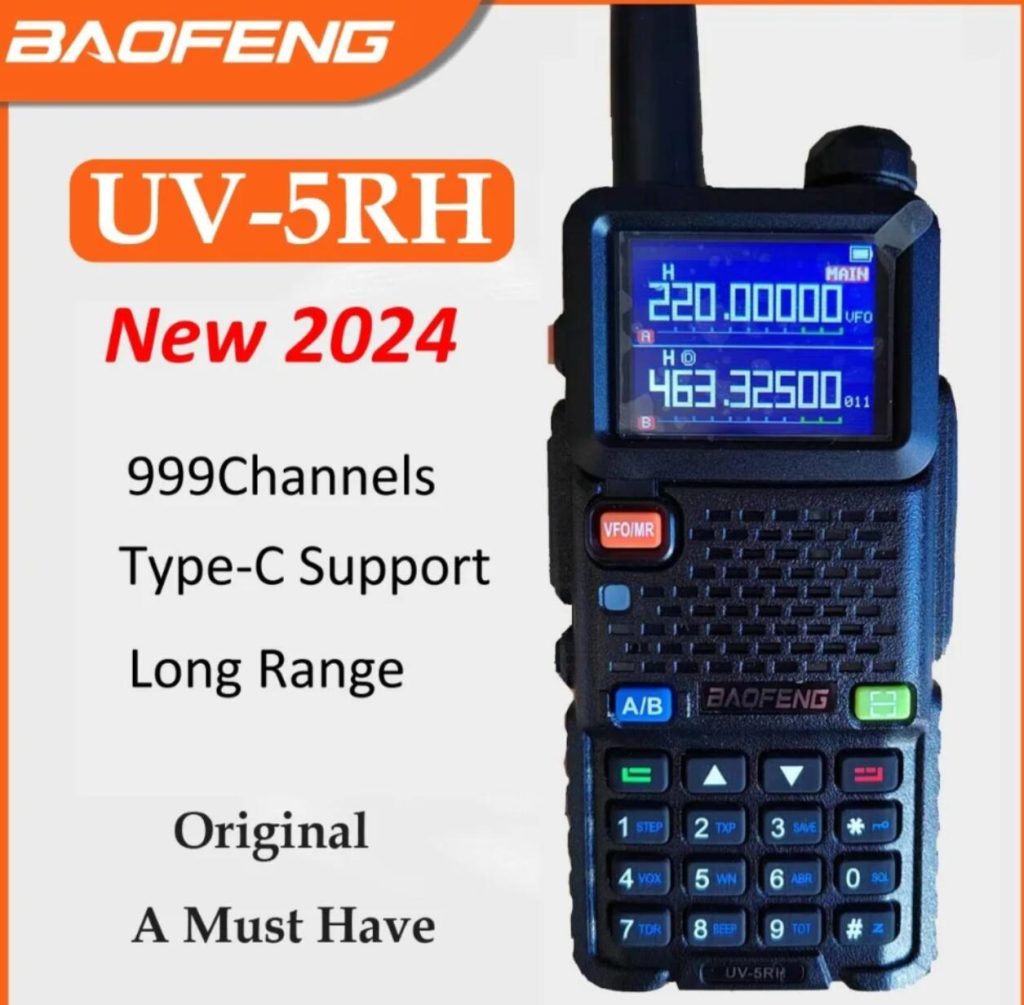
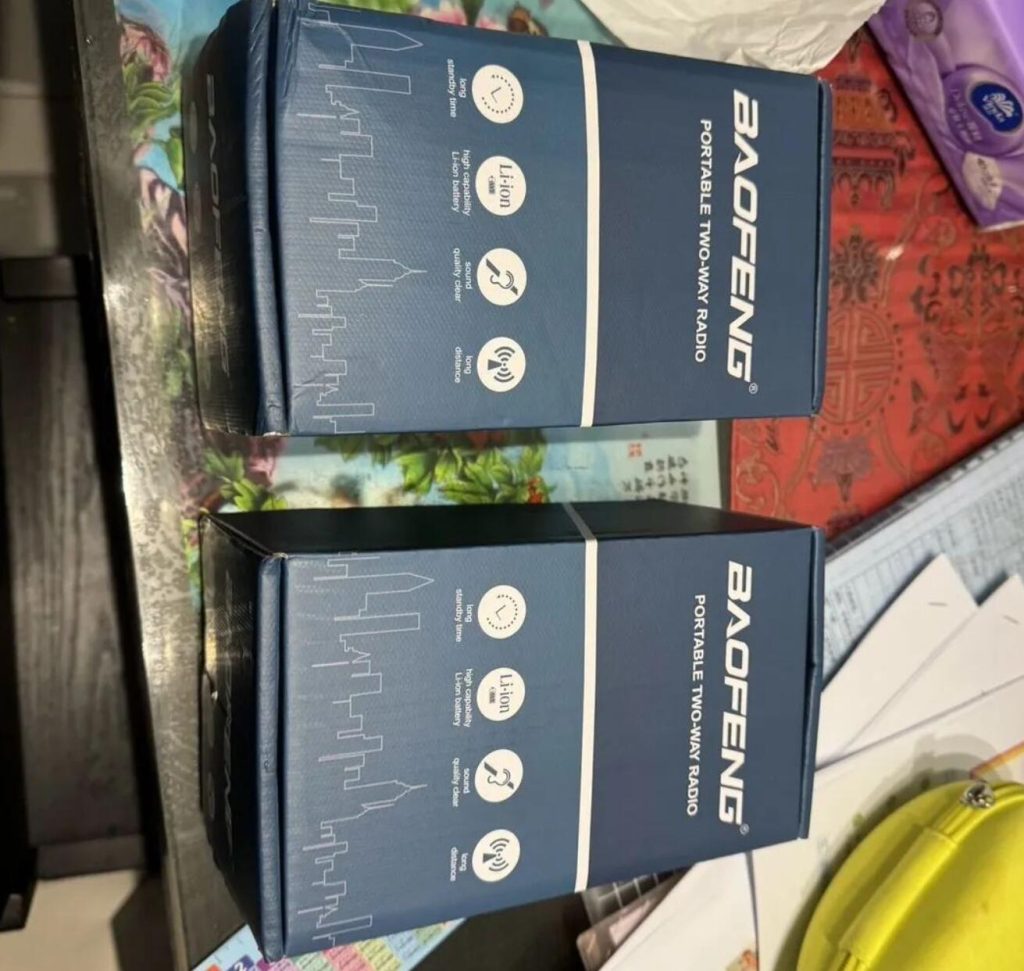
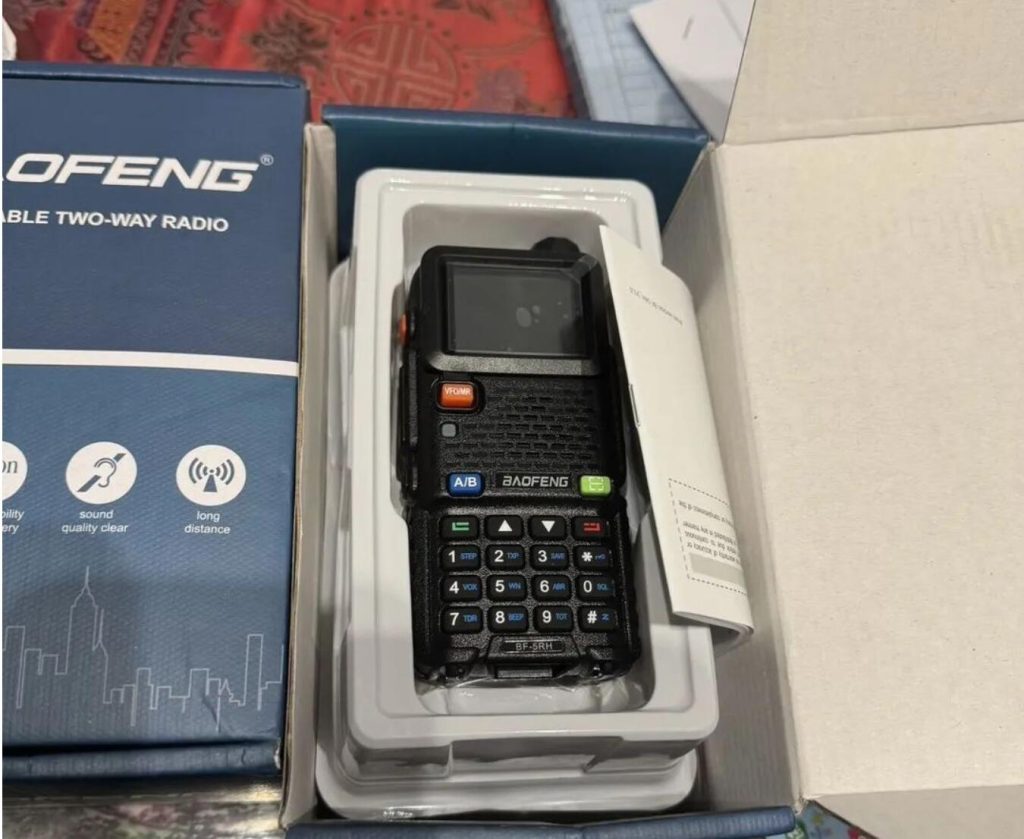
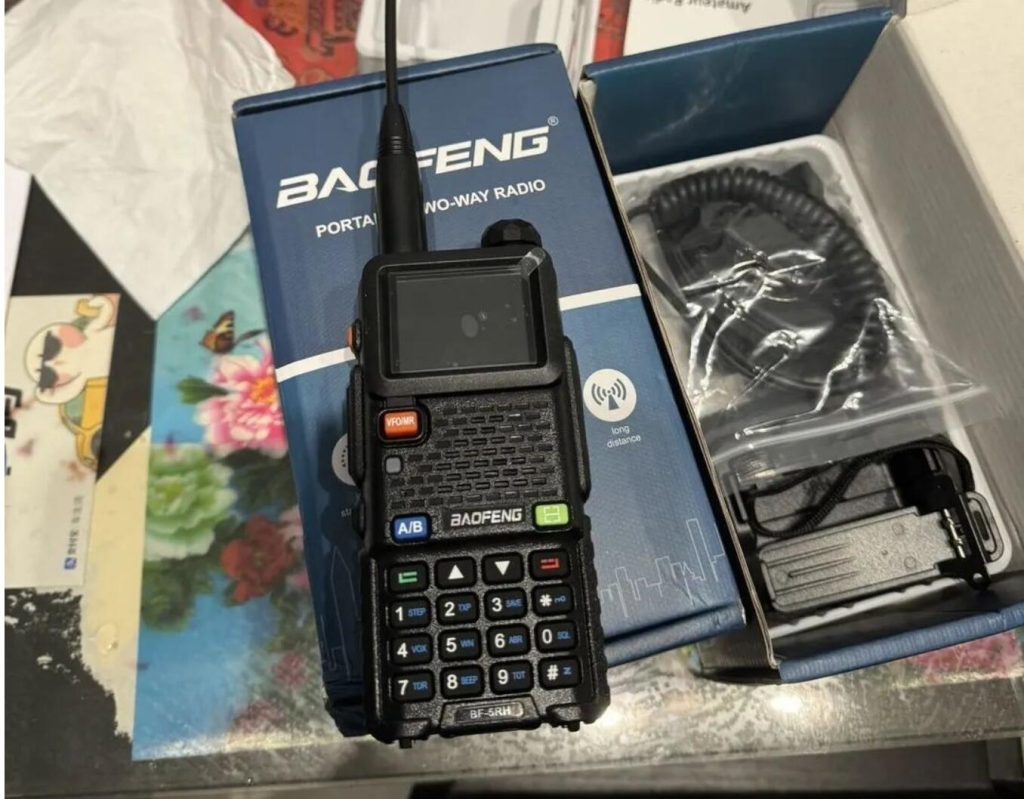
    2024 Baofeng UV-5RH 136-174MHz 220-260MHz 400-520MHz Tri-Bands Two Way Radios

    After using the Baofeng Dual Band UV-5RH walkie talkie, here to share a preliminary evaluation of this walkie talkie, discuss its features, and the shortcomings in use.

    Main features:

    1.The new device has a wide range of frequency bands: The Baofeng UV-5RH supports dual frequency and dual standby, and can receive six frequency bands including VHF (136-174MHz) and UHF (400-520MHz), as well as transmit three frequency bands, enabling stable communication in different environments.

    2.Improved Type-C interface: Equipped with a large capacity battery and a Type-C interface, UV-5RH performs well in outdoor activities, providing users with long-term communication services and reducing the frequency of battery replacement.

    3.Cheap enough: A pair of handheld radios is equivalent to the price of a Desheng radio, and they can also emit signals, which is an important consideration for outdoor adventure and long-distance travel users.

    4.Improved LCD color screen: equipped with a multifunctional LCD screen, clear display, and easy operation. It can easily switch channels, adjust volume, and other functions.

    5.Power increase to 10W: increased from 5W to 10W, making it easier to transmit over longer distances during use.

    6.One click frequency scanning function: It is already possible to scan frequency with one click and connect to different brands of mobile phones in the attachment, which is very convenient for team building.

    Emergency communication requirements: Communication is crucial in emergency backpack usage scenarios. The wide frequency range and long battery life of Baofeng UV-5RH make it an ideal communication tool in emergency situations. During disasters, it is easy to stay in touch with family or team members, which radios cannot do.

    Portability: The design of the emergency backpack emphasizes lightweight and compactness, and the design of the Baofeng UV-5RH is in line with it. Users can easily put the walkie talkie into their emergency backpack without taking up too much space, and it can also be charged through various type-C interfaces, allowing for quick response in case of emergencies.

    Multi functional application: In emergency situations, the six receiving frequencies and FM radio function of Baofeng UV-5RH can provide additional information sources, increasing the user’s ability to respond in emergency situations. The VOX function can also provide convenience when other items need to be operated with both hands.

    Emergency distress function: UV-5RH can send emergency digital coded signals through preset channels or special frequencies to notify nearby users of an emergency situation. This is very important for emergency situations that require quick assistance.

    Coping with adverse weather: Although the waterproof performance of UV-5RH is limited, its performance is sufficient compared to radios in general emergency scenarios. For users, using walkie talkies for communication and self rescue is a more effective way in extreme weather conditions.

    Simple operation: Considering that quick operation may be necessary in emergency situations, the operating system of Baofeng UV-5RH, although slightly complex, has also added simple setting buttons such as one click frequency sweep. After some understanding, it can still be quickly used.

    Shortcomings:

    1.Poor sound quality: Although significant improvements have been made to the speaker sound quality, in some environments, especially noisy backgrounds, the sound quality of walkie talkies is not ideal, which may lead to misunderstandings of some information. It is recommended to wear headphones or a handheld microphone.

    2.Construction quality is average: Although the design of the Baofeng UV-5RH has strengthened the backboard, the construction quality has not improved significantly. In some user feedback, walkie talkies may be susceptible to impacts or falls.

    3.The operating system is slightly more complex: For some novice users, the UV-5RH operating system may be slightly more complex and require some time to adapt.

    Need amateur radio certificate: The power has increased significantly, and according to the situation in China, it is necessary to use with an A certificate, which sets a certain threshold for outdoor athletes and emergency needs.

    Summary:

    The Baofeng UV-5RH walkie talkie has made significant improvements in frequency band coverage, battery life, and power. It remains a highly practical walkie talkie in emergency backpack usage scenarios. Its versatility, portability, and communication capabilities make it an indispensable part in emergency situations. Suitable for outdoor activities and emergency backpack backup. However, some issues with sound quality, construction quality, and operating system may affect its overall performance. Users still need to understand some of its shortcomings before using it in order to better utilize its functions. For users who have high requirements for communication quality, it may be necessary to consider these shortcomings more deeply.

    As an improved communication device, the Baofeng UV-5RH is still quite cost-effective for novice amateur radios, especially suitable for Beginner walkie talkies and emergency use.

  • How to team walkie talkie ?

    If you’re looking to use walkie-talkie functionality within a team setting, where everyone can communicate seamlessly, you can achieve this with the help of certain apps or built-in features on some smartphones. Here’s a general guide:

    Using Walkie-Talkie Apps:

    1. Choose a Suitable App:
      • Select a walkie-talkie app that supports team communication. Apps like Zello, Voxer, and Walkie-talkie – Communication often have features for creating channels or groups.
    2. Install and Set Up:
      • Download and install the chosen app on the smartphones of all team members.
      • Each team member needs to create an account on the app and log in.
    3. Create a Team or Channel:
      • The app may have an option to create a team, channel, or group. Set this up and invite all team members to join.
    4. Configure Permissions:
      • Adjust settings within the app to control who can speak, listen, and manage the group. Some apps allow administrators to control permissions.
    5. Test Communication:
      • Before relying on the app for real-time communication, conduct tests to ensure everyone can hear and be heard. This helps identify and resolve any technical issues beforehand.
    6. Set Up Push-to-Talk (PTT):
      • Configure the app’s PTT button for easy access to communication. This might be a virtual button on the app’s interface or a physical button on some smartphones.
    7. Establish Communication Protocols:
      • Define communication protocols within your team, such as when to use the walkie-talkie app, which channels to use for specific purposes, and any other guidelines.
    8. Integrate with Other Tools (Optional):
      • Some apps allow integration with other collaboration tools like messaging or task management apps. Explore these options to enhance team coordination.

    Using Built-In Features (iOS Walkie-Talkie):

    If you are using iOS devices, you can take advantage of the built-in Walkie-Talkie feature:

    1. Ensure Compatibility:
      • Confirm that all team members are using iPhones with iOS 12.4 or later.
    2. Access Walkie-Talkie App:
      • Open the “Walkie-Talkie” app on your iPhone.
    3. Invite Contacts:
      • Tap the “+” icon and invite your team members to join the Walkie-Talkie feature.
    4. Enable Availability:
      • Set your availability status in the Walkie-Talkie app to let others know when you are ready to receive messages.
    5. Press to Talk:
      • Press and hold the Talk button to communicate. Release the button when you’re done speaking.
    6. Listen and Respond:
      • When others in your team are talking, simply listen. You can respond when they finish their message.

    Always consider privacy and security when using any communication tool, especially if it involves team discussions. Choose tools that align with your organization’s policies and ensure that sensitive information is transmitted securely.

  • How to turn your phone into a walkie talkie?

    Turning your phone into a walkie-talkie typically involves using specific apps that enable push-to-talk (PTT) functionality over the internet. Here are the general steps:

    1. Download a Walkie-Talkie App:
      • Choose a walkie-talkie app from your device’s app store. There are various options available, and some popular ones include Zello, Voxer, and Walkie-talkie – Communication.
    2. Install and Set Up:
      • Download and install the chosen app on your phone.
      • Follow the app’s on-screen instructions to create an account (if required) and set up your profile.
    3. Connect with Friends:
      • Add your friends or contacts who also use the same walkie-talkie app.
      • Some apps may require you to send invitations to your contacts, while others may use your phone’s contact list.
    4. Configure Channels:
      • Many walkie-talkie apps use channels for communication. Configure or join specific channels depending on your preferences or needs.
    5. Test and Adjust Settings:
      • Before using the app in a real scenario, test it with a friend to ensure everything is working as expected.
      • Adjust settings such as microphone sensitivity, volume, and notifications to suit your preferences.
    6. Use Push-to-Talk (PTT):
      • When you want to talk, press and hold the on-screen PTT button (or a designated physical button if supported by the app).
      • Release the button when you’re done speaking, and your message will be transmitted to the selected channel or contact.
    7. Listen and Respond:
      • Keep an ear out for incoming messages. When someone else is talking, release the PTT button on your end to listen. Reply when ready.
    8. Data Connection:
      • Ensure that your phone has an active internet connection. Walkie-talkie apps typically use Wi-Fi or mobile data to transmit voice messages.
    9. Battery Considerations:
      • Using walkie-talkie apps may consume more battery than usual, so be mindful of your device’s battery level, especially during extended use.

    Remember that using walkie-talkie apps relies on an internet connection, and it’s not the same as traditional walkie-talkies that operate on radio frequencies. The effectiveness of these apps also depends on network conditions and the reliability of the app’s servers.