Category: Two Way Radio

Blog of Two Way Radios

  • Tait TM9900 New Product Launched

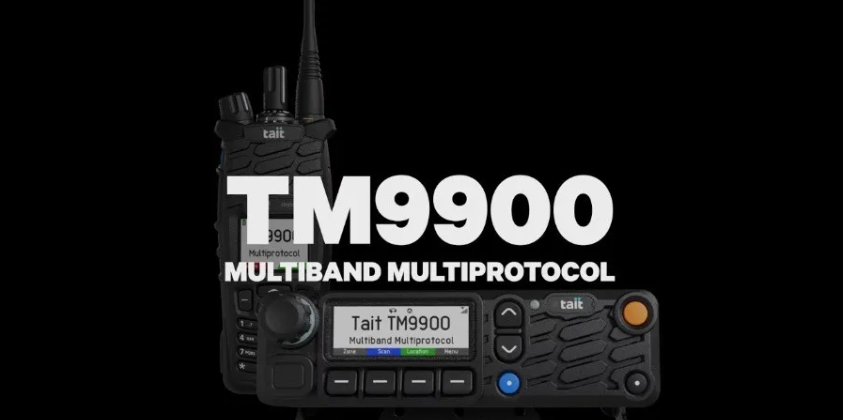
    Tait launches TM9900 multi-band multi-protocol vehicle radio designed for public safety communications

    The Tait 9900 Series, together with the TP9900 portable radio, is the preferred device for P25 communications, supporting compatible DMR and analog channels on VHF, UHF, 7/800MHz and 900MHz bands. This series significantly improves community safety by enhancing interoperability between first responders, schools, utilities and other public departments.
    Release and Demonstration Plans‌

    Tate Communications will be the first to demonstrate the TM9900 multi-band multi-protocol mobile radio at booth 911 at IWCE 2025 in Las Vegas, Nevada, USA, from March 19 to 20, 2025. The product is scheduled to be officially launched in mid-2025.

    ‌Seamless Multi-Band Performance‌

    Tate 9900 series radios can be flexibly configured in any combination of VHF, UHF, 700/800MHz and 900MHz bands. Users can easily choose single-band, dual-band or multi-band operation at the time of purchase or subsequent deployment. All bands can be reconfigured at any time without lock-in restrictions.
    Power Specifications‌

    The North American version of TM9900 supports 50W VHF, 40W UHF, 35W 7/800MHz and 900MHz bands; 25W VHF/UHF versions will be launched in other regions later.

    ‌TM9900: User-friendly interface and easy installation‌

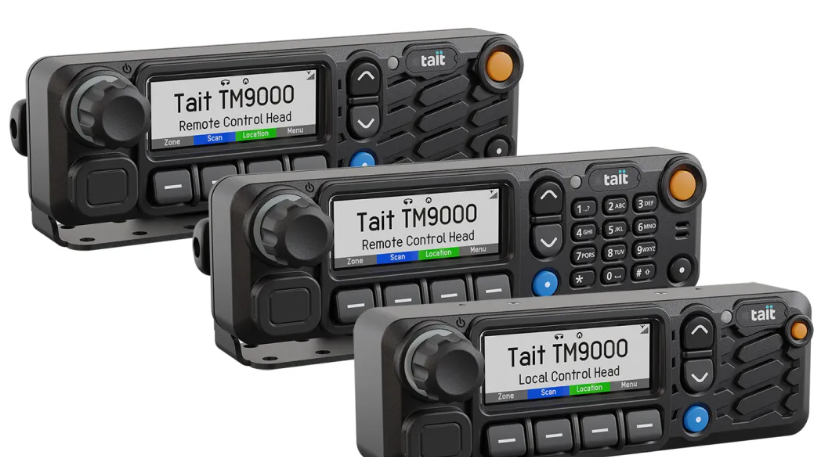
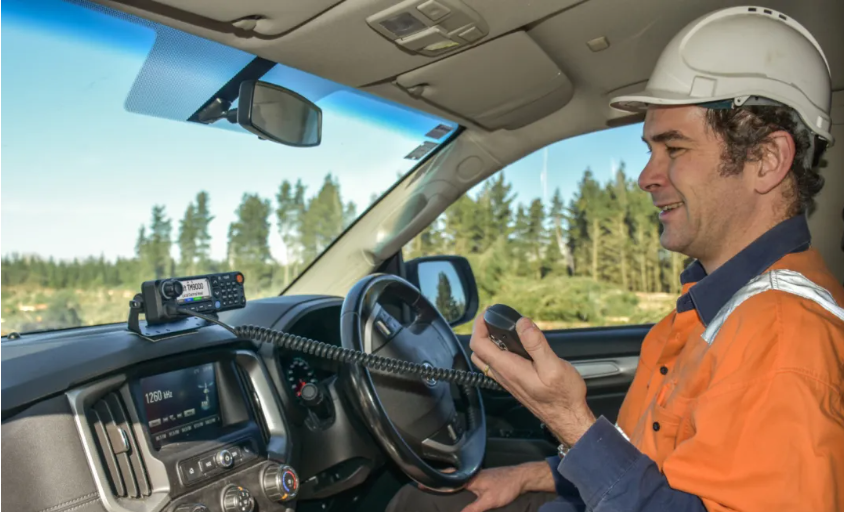
    TM9900 offers the most abundant control head options among similar products. Users can choose the best operating interface according to their role requirements. At the same time, the modular design simplifies the vehicle installation process and reduces the cost of fleet upgrades. Optional configurations include:

    Local dashboard bracket and remote installation kit
    Built-in 4W speaker or keyboard
    Optional keyboard microphone
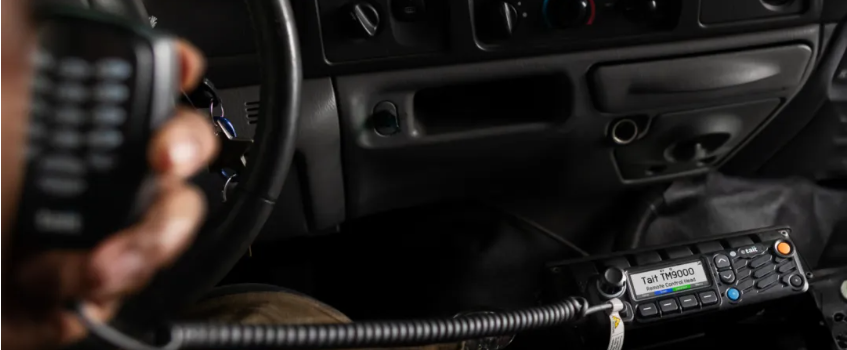
    Compatible with 15W anti-collision external speaker for all Tate control heads
    TP9900: Lightweight design and long-lasting battery life

    As the lightest P25/DMR multi-band portable walkie-talkie on the market, TP9900 achieves “Tate-level” reliability with its high-capacity battery and compact structure. Its ergonomic grip and control design supports operation with gloves.

    ‌P25 and DMR multi-protocol collaboration to protect community safety‌

    In emergencies, cross-agency collaboration relies on efficient communication, but different organizations often face interoperability challenges due to differences in frequency bands and standards:

    ‌P25‌ is the mainstream standard in the public safety field in North America, Oceania and many countries.
    ‌DMR‌ is widely used in local governments, utilities and educational institutions.
    The Tait 9900 series supports both P25 and DMR standards, breaking down the communication barriers between police, fire departments and key agencies such as schools, utilities, and coastal rescue, thereby improving emergency response speed and community safety.
    ‌Multi-mode free switching‌

    The device supports analog conventional, P25 conventional, P25 cluster (Phase 1/2), DMR Tier 2 conventional and Tier 3 cluster modes. The switching operation is as simple as changing channels.
    Why choose the Tait 9900 series? ‌

    High cost-effectiveness: The basic version has excellent P25 performance, and can be upgraded with multi-band and DMR functions on demand.
    Future-oriented: The flexible architecture meets the current fleet upgrade needs and supports long-term technology evolution.
    ‌Availability information‌

    TP9900 series will be available in 2024; TM9900 will be unveiled and open for pre-order at the IWCE exhibition in March 2025, and delivery is scheduled to start in mid-2025.
    Tait Communications TM9900 Multiband Multiprotocol Mobile Radio

  • What is the real experience of using Quansheng TK11 ?

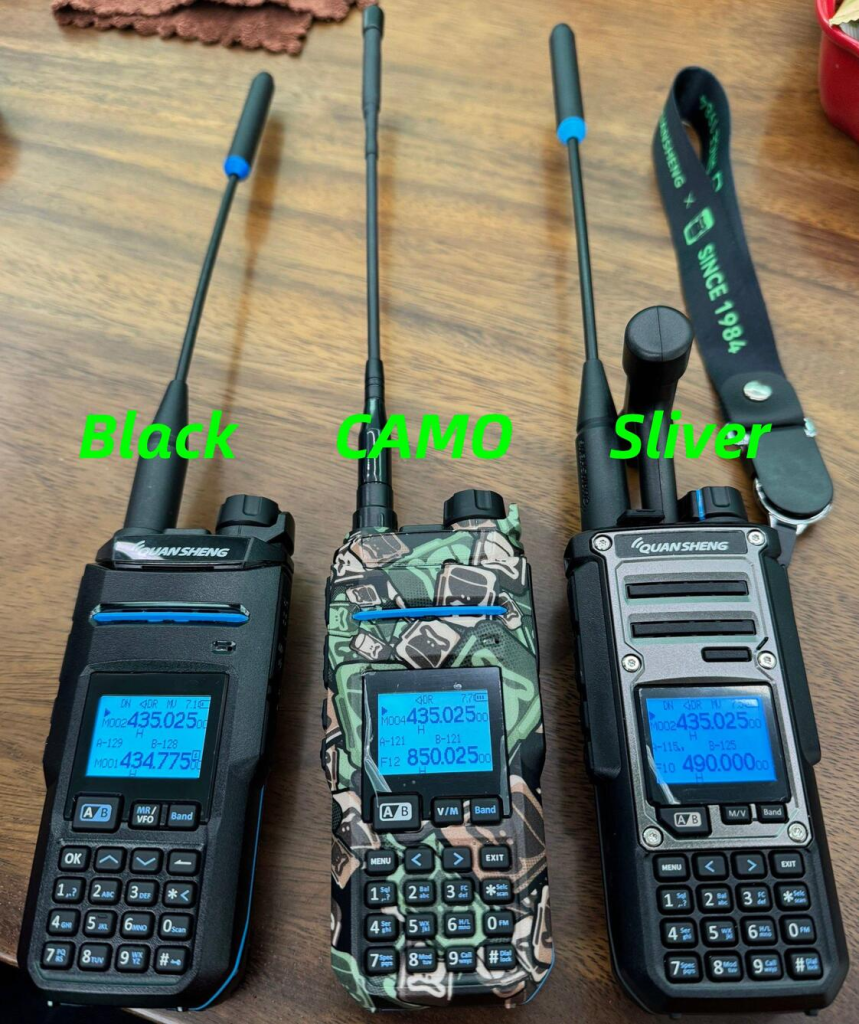
    The real experience of using Quansheng Taiko Kong TK11: suitable for advanced notes, with extremely strong signal, but the magic sound may be controversial?

    Lucky to get the opportunity to try out the Quansheng “Taiko Kong ” TK11 walkie-talkie. After nearly two months of intensive use, today I would like to share my trial experience with you, hoping to give some reference to friends who want to buy it.

    1. Unboxing and appearance design

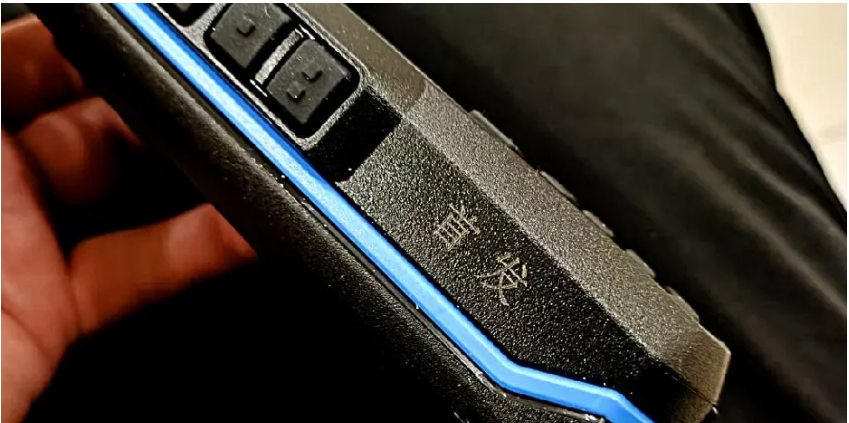
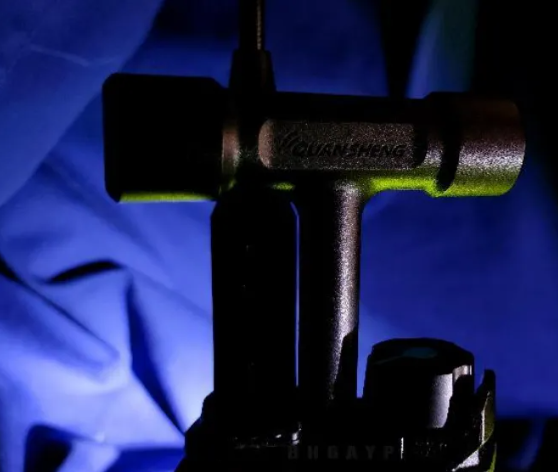
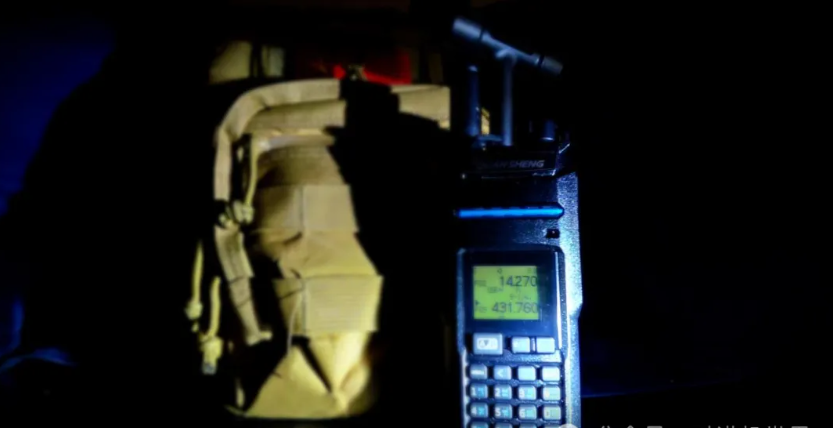
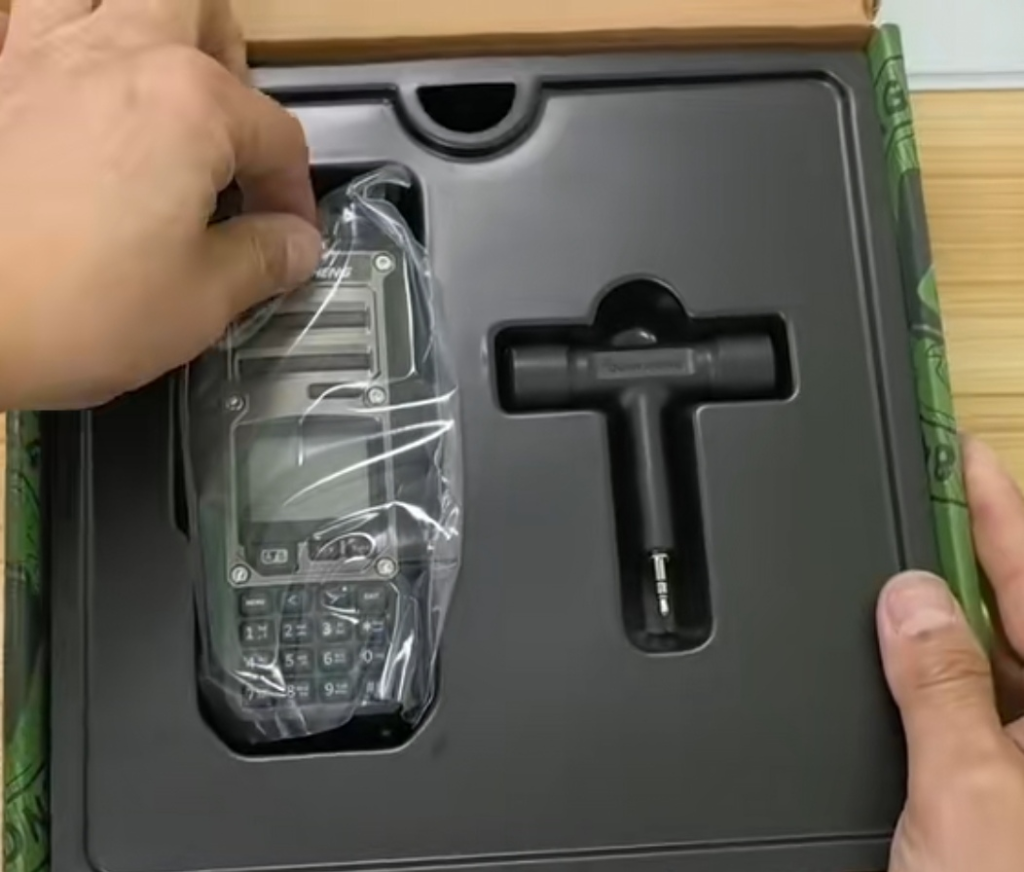
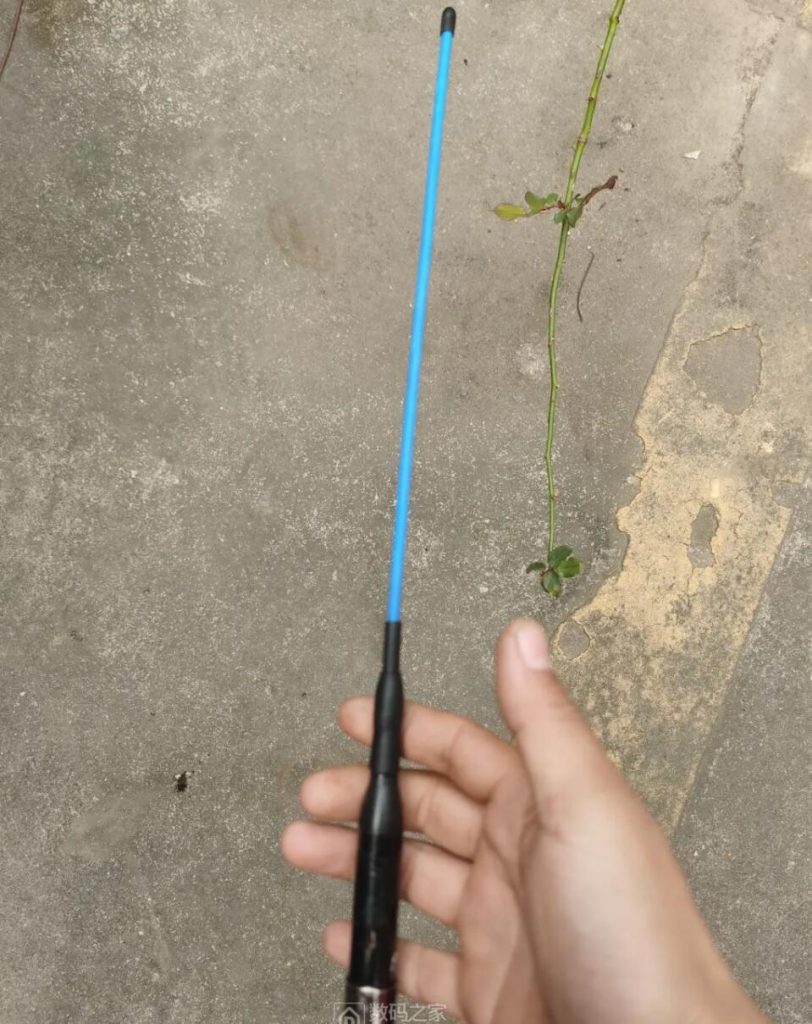
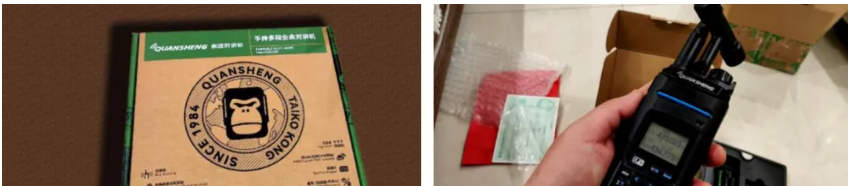
    The packaging design of TK11 is simple and elegant. After opening it, the host, dual antennas (one long and one short), Type-C charging cable, and charger are all available. The body is made of black matte material, with a solid grip, clear button layout, and moderate knob damping, which is easy to operate even with gloves.

    2. Core Function Experience

    1) Dual reception and dual transmission: “double insurance” in complex environments

    I was impressed by the dual-guard function of the main and secondary channels of TK11. During an outdoor hiking activity, I used the main channel to communicate with my teammates, and the secondary channel to monitor the so-called outdoor “public” frequency. The two transmission keys are designed independently, and there is almost no delay when switching, which effectively avoids signal cross interference.

    2) Ultra-wide frequency range: full coverage of amateur bands

    As a full-band model, the TK11’s receiving range covers 0.5-1160MHz, and the transmitting bands include 50-54MHz (6-meter band), 136-174MHz (VHF), 350-490MHz (UHF), etc., far exceeding ordinary amateur models. I tested the communication effect of the 2-meter band and the 70-centimeter band. The voice was clear and the noise floor was well controlled. The shortwave mode may have higher requirements for the communication environment and has not successfully received the signal.

    3) High power output: worry-free long-distance communication

    The maximum transmission power of TK11 can reach 10 watts. With a high-gain antenna, compared with the 5-watt model I have, TK11 has obvious advantages in penetration and anti-interference. However, it should be noted that high power consumption is faster, so it is recommended to use a backup power supply.

    4) Practical functions: spectrum analyzer and NOAA weather warning

    The built-in spectrum analyzer function is very useful for frequency scanning, which can quickly identify the surrounding signal strength and avoid frequency collision. NOAA weather warning supports SAME decoding, which is crucial for outdoor activity safety. In addition, the 999 channel storage and cross-segment transfer functions also greatly improve the convenience of operation.

    3. Battery life and portability

    The 2500mAh lithium battery has a decent battery life and needs to be charged after about 8 hours of continuous use, but it supports Type-C direct charging and dock charging, which is flexible. The body weight is about 500 grams, which is slightly heavier than ordinary handheld devices, but considering its comprehensive functions, its portability is acceptable.

    4. Controversial function: Discussion on the compliance of “Magic Voice”

    The “Magic Voice” function of TK11 allows voice-changing calls, which is very interesting, but it also caused my concerns. According to Article 35 of the “Regulations on the Management of Amateur Radio Stations”, amateur radio station communications should use plain language or recognized abbreviations, and signals unrelated to amateur business should not be transmitted.

    Problem analysis:

    1. Compliance risk: The magic voice function changes the original voice, which may make the communication content difficult to identify, violating the “plain language communication” requirements. For example, if voice changing is used in emergency communications, it may mislead the recipient and even cause operational disputes.
    2. Actual scenario restrictions: Even if used in daily entertainment, care should be taken to avoid interfering with other legal communications. Regulations clearly prohibit the sending of “signals unrelated to amateur business”. If voice-changing calls exceed the scope of technical exchanges, they may touch the red line.

    Suggested improvement direction:

    Manufacturers can consider adding a “magic sound function disable mode” in the firmware, or limit its use in the amateur band through software upgrades to ensure compliance.

    5. Summary and purchase recommendations
    Summary of advantages:
    1) Full-band coverage + dual-guard function, suitable for advanced enthusiasts;
    2) High power output and dual antenna design, excellent signal stability;
    3) Professional functions such as spectrum analyzer and NOAA are highly practical;
    4) Customized interface and user-friendly operation experience add points.
    Disadvantages:

    1. The Magic Sound function has legal disputes and needs to be used with caution;
    2. The heat is more obvious at high power;
    3. The body weight is slightly large, and it is easy to get tired when holding it for a long time.

    Notes:

    1. Be sure to apply for an amateur radio license before use to ensure that the frequency and power of the equipment are within the scope of the license;
    2. Avoid transmitting in non-amateur frequency bands to avoid interfering with other services;
    3. Use entertainment functions such as magic sound with caution and strictly abide by the plain language communication regulations.
      Quansheng TK11 is undoubtedly a powerful “all-round” walkie-talkie that can not only satisfy the fun of technical exploration, but also perform well in emergency scenarios. But as amateur radio enthusiasts, we must keep in mind the principle of “legality and compliance”. While enjoying the convenience of technology, we must jointly maintain the order of airwaves. We hope that manufacturers can find a better balance between functional innovation and regulatory compliance!
  • Car Loading Tutorial of Anytone AT-588UV Mobile Radio

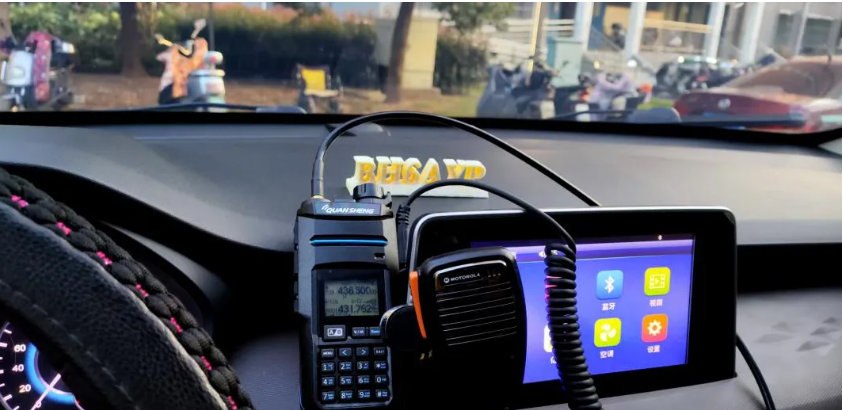
    Anytone AT-588UV, All feeders, microphones, wires, and panel brackets are ready for loading onto the vehicle.

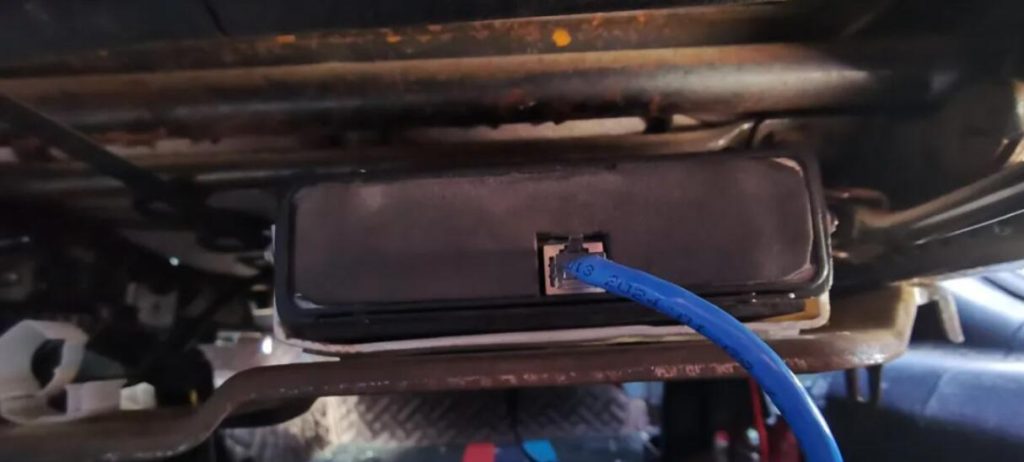
    The body of the Anytone AT-588UV is installed on a steel plate under the driver’s seat, in the same position as most people. Before installation, use sandpaper to polish off the rust on the surface of the steel plate, and apply strong double-sided tape (also known as nano double-sided tape) to the back of the car body.

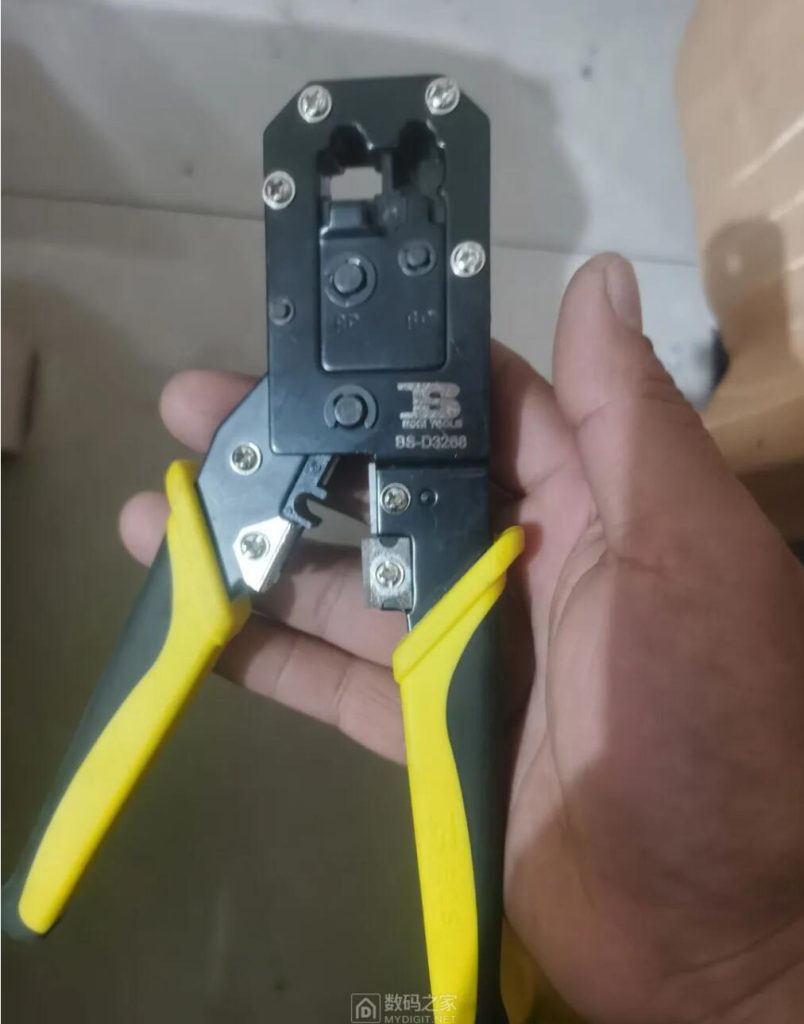
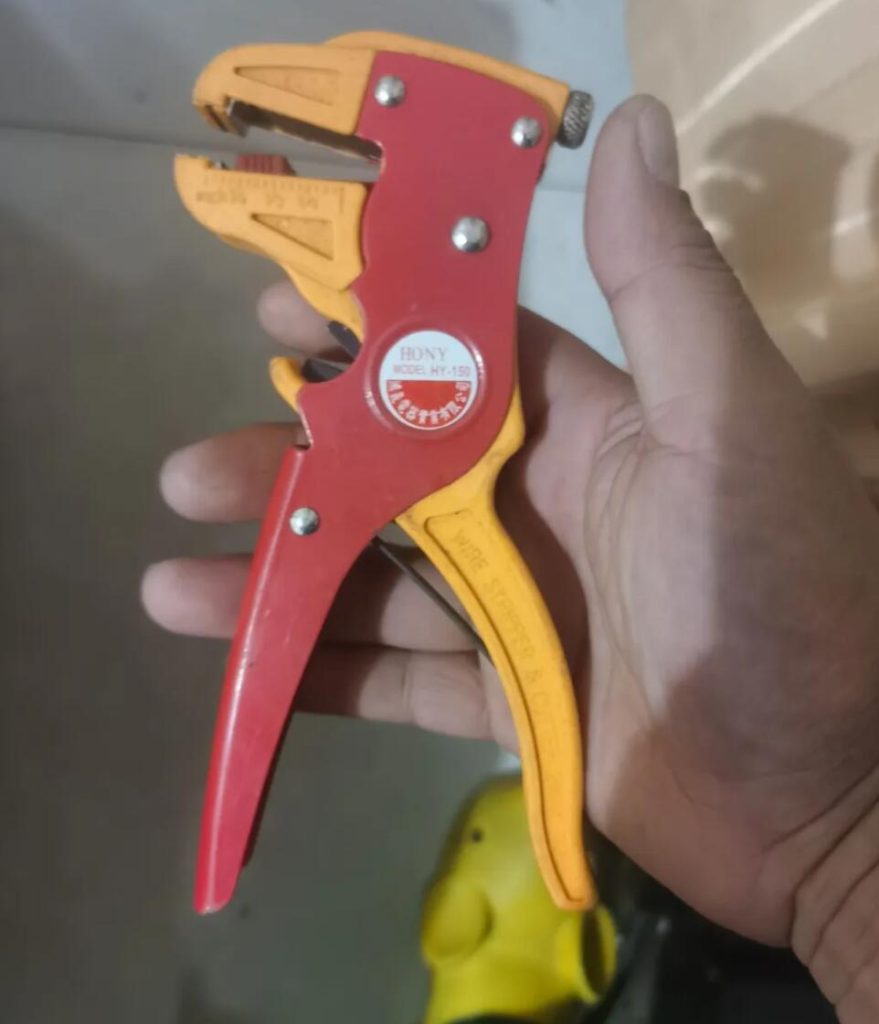
    The next step is to install the separation line from the car body to the panel. If there are idle network cables and tools at home, there is no need to buy a finished panel separation line. Moreover, there is an advantage to making it yourself, which is to cut as much as needed and reserve some redundancy.

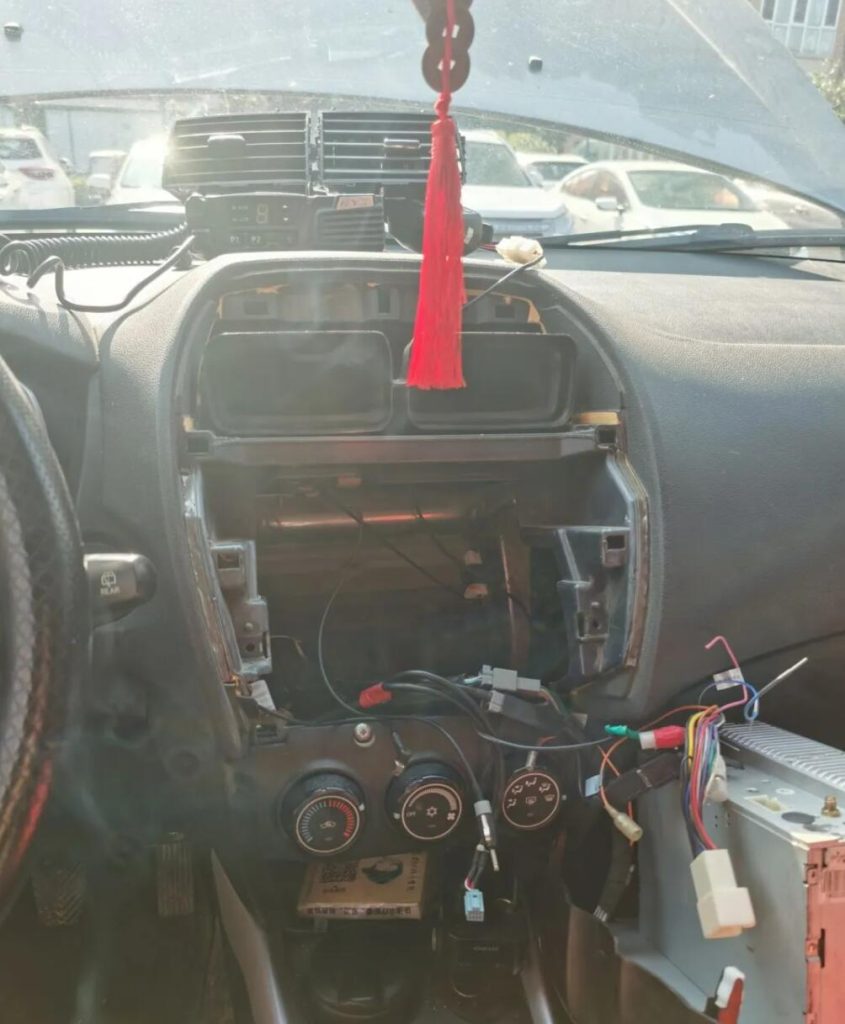
    Once the wiring is done, it’s time to dismantle the car. If you want to install it , it’s best to prepare some clips from the car to prevent them from being damaged after dismantling. Just buy a set of clips for the corresponding car model, which come with various types of clips

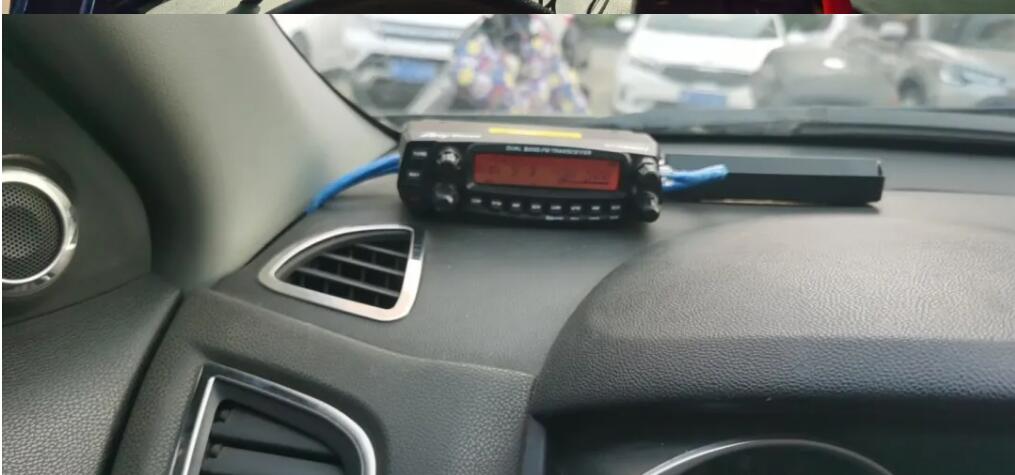
    The panel separation line passes through the buckle plate on the lower left side of the cab from the base of the B-pillar, and then goes up to the A-pillar through the buckle plate on the left side of the cab. At the beginning, the dashboard panel was glued to the upper left corner of the front windshield, and redundant extension cords and microphone extension cords were hidden inside the fiberboard on the roof. However, after being installed and tested on the road, it was found that the panel installed in the upper left corner of the front windshield may cover the driver’s face on the road, which may result in wearing a hat that affects driving and cause violations. On the other hand, it is not very convenient to view panel information or operate the panel.

    Later on, a new adjustment was made, and the panel was glued to the left front of the driver’s cab with nano double-sided tape. The panel separation line and the microphone separation line could be connected to the panel from under the A-pillar. However, due to the use of a round diameter for the network cable, there was a small gap at the connection between the A-pillar and the driver’s cab, which was not perfect.

    Next, let’s talk about the hand microphone separation line.

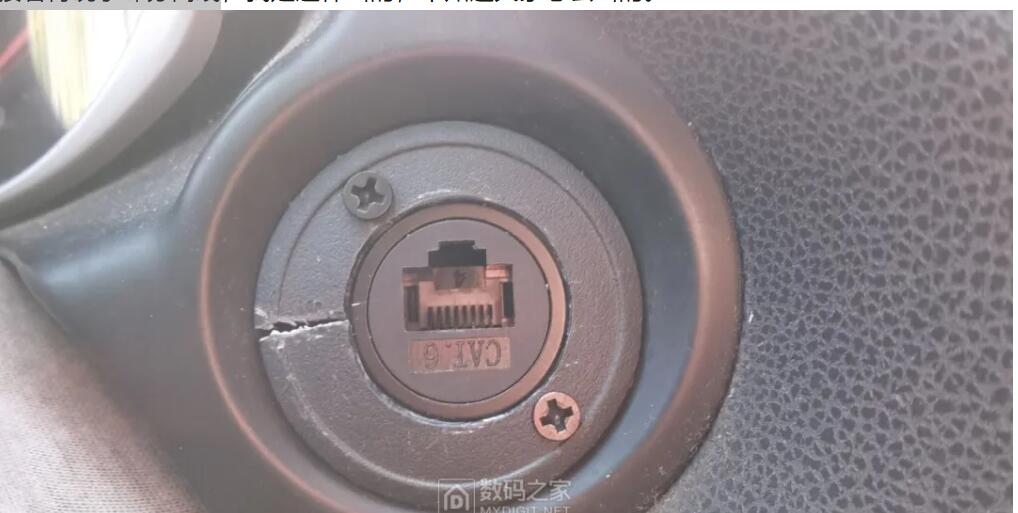
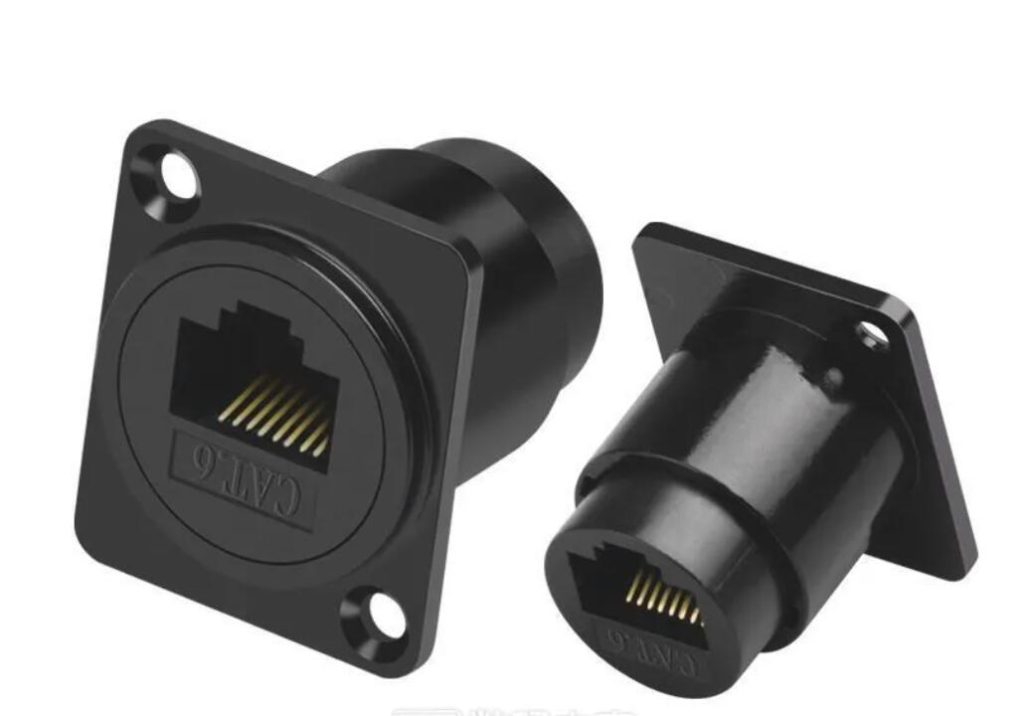
    Used to having a hand microphone in right hand, but the dashboard panel is installed on my left hand, which is why there is a hand microphone separation line. The original car did not have a starting function, but a space was reserved and covered with a cover plate. After measuring the cover plate with a ruler, it was found that a network cable adapter could be installed. Connecting a network cable from the car console’s hand microphone socket would be a hand microphone extension cable, which is perfect and does not affect the use of right-handed hand microphones.

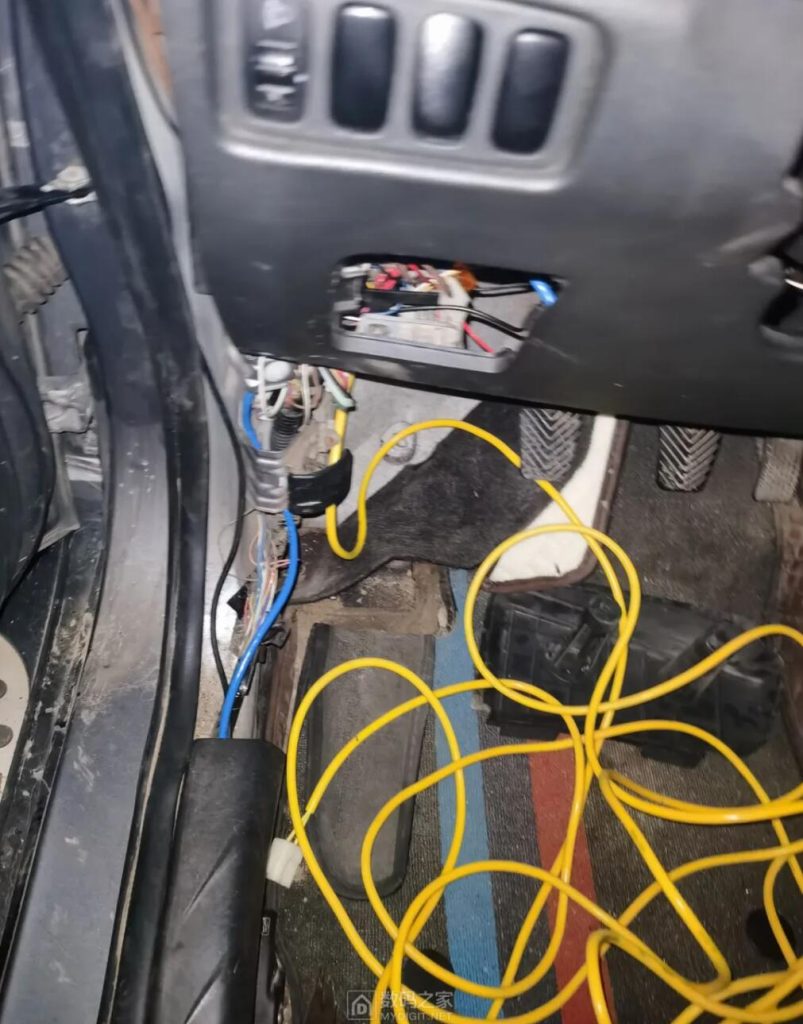
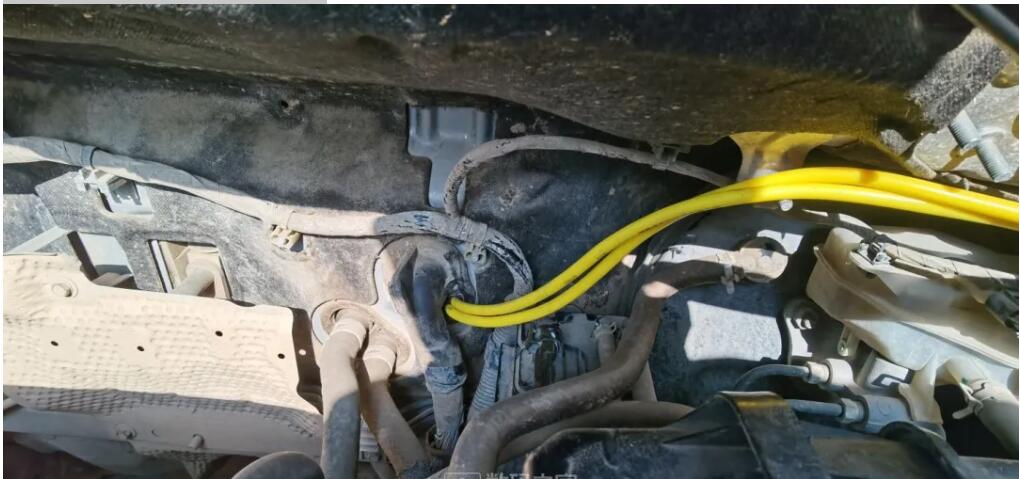
    All of the above are actually relatively simple, the most difficult one is actually connecting the power cord. Since I am using the car starter battery for direct power supply, I need to guide the wires from the engine compartment into the driver’s cabin. But after searching the engine compartment, there was only one bus harness, and it was located in the middle of the driver and passenger seats.

    There was really no other choice but to grit my teeth and try to find a solution from the bus harness. Fortunately, I reached for the bus harness from the driver’s cab and found that there was still a lot of space inside the rubber tube. That’s why I had the courage to use a small Phillips screwdriver to poke a hole in the rubber tube of the bus harness from the engine direction towards the driver’s cab direction. To reduce trouble in the later stage, I used a 1.5 square meter dual core silicone wire and treated the dual core as a single core.

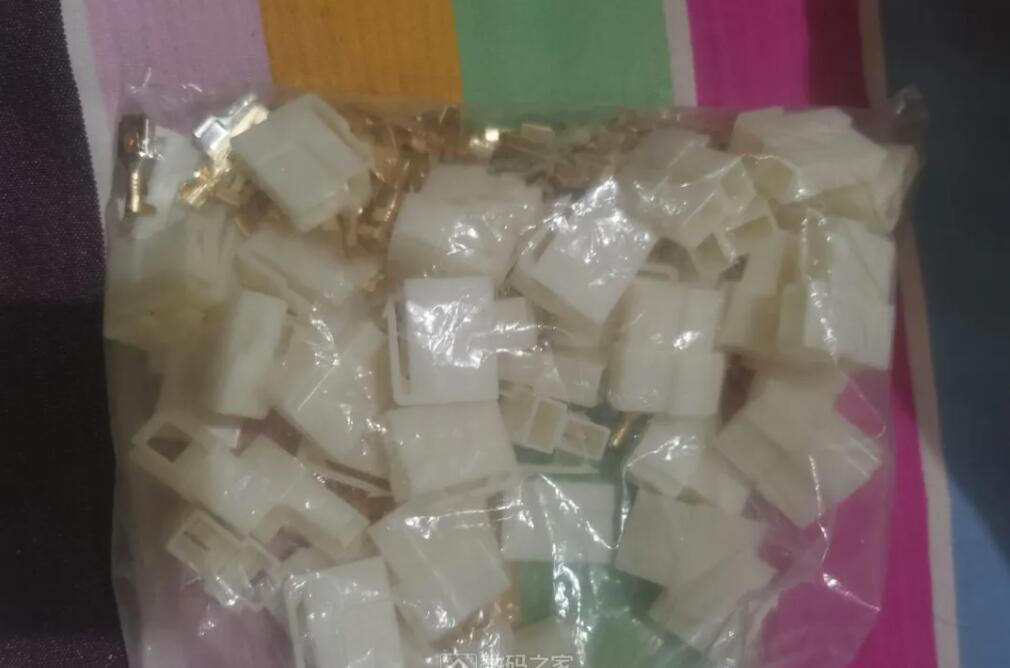
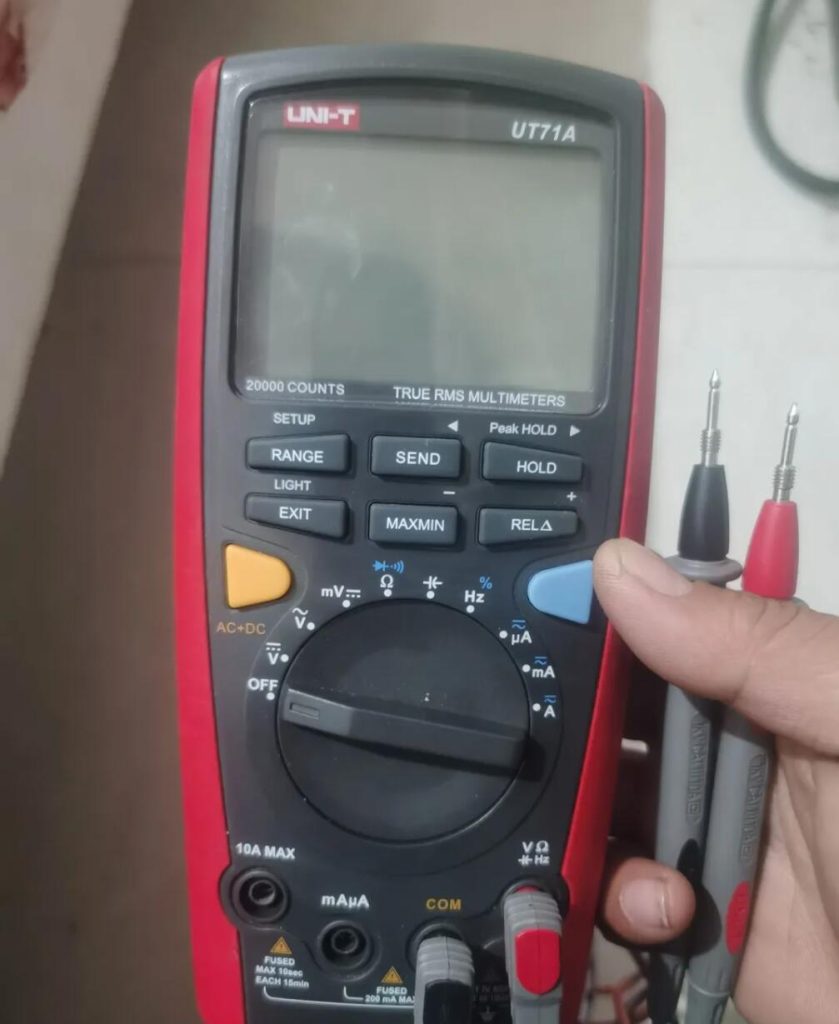
    The space for the bus harness in the driver’s cabin is very narrow, and all kinds of metal parts of the vehicle are exposed with handles and arms hanging out. Despite the effort, the person with the heart finally introduced the power supply into the driver’s cabin. The power cord still passes through the buckle plate on the lower left side of the driver’s cabin to the bottom of the B-pillar, and can be connected using a plug-in terminal. Before connecting the power cord to the car radio, try to use a multimeter to measure whether the positive and negative terminals of the power cord are consistent to avoid damaging the equipment.

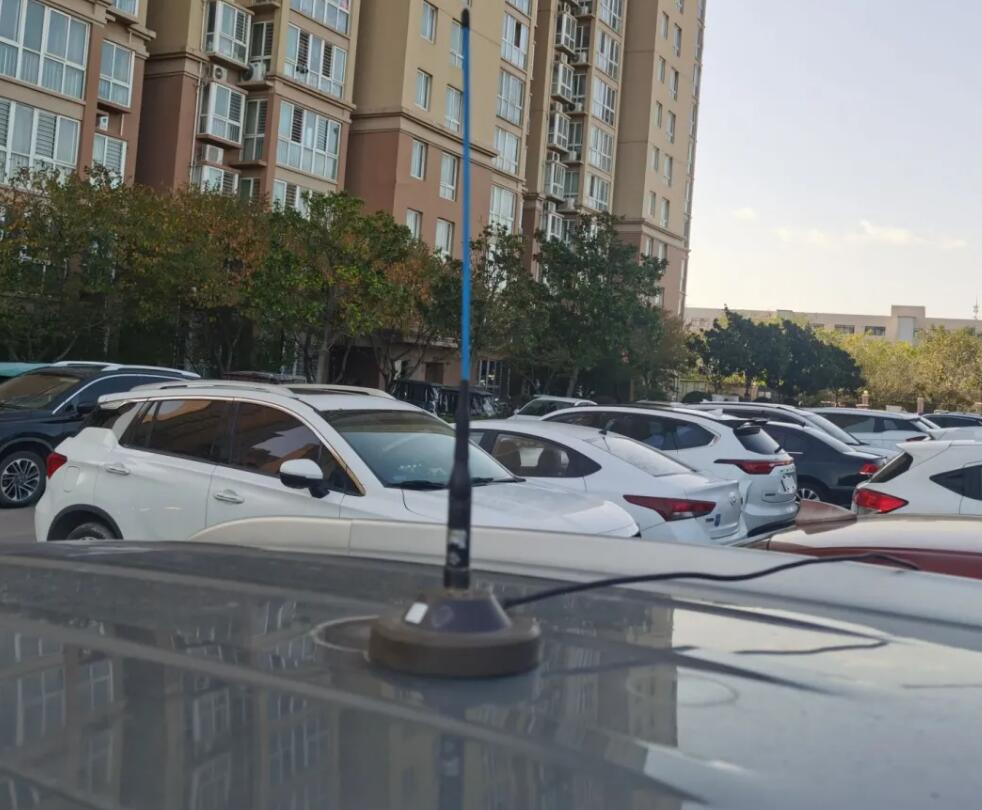
    After the power supply of the car radio is solved, only the antenna feeder system remains. As I am using a suction cup antenna, I enter the car from the B-pillar through the rubber strip of the door and reach the bottom of the B-pillar. The advantage of doing this is that it can shorten the length of the feeder as much as possible, and avoid drilling or vehicle breakage as much as possible. The disadvantage is that some of the feeder lines may be exposed and the rubber strip of the car door may protrude.

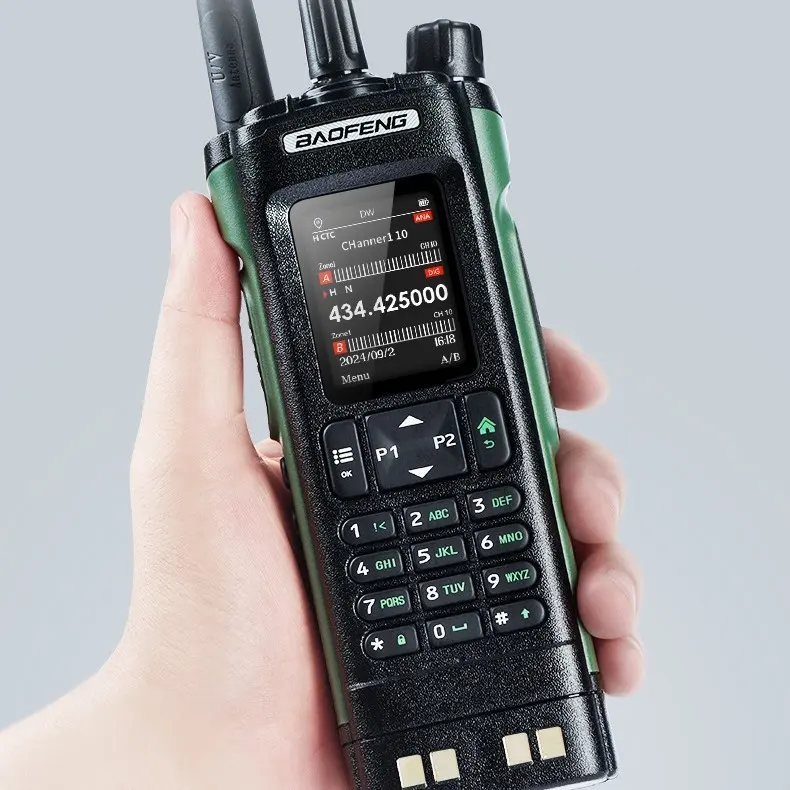
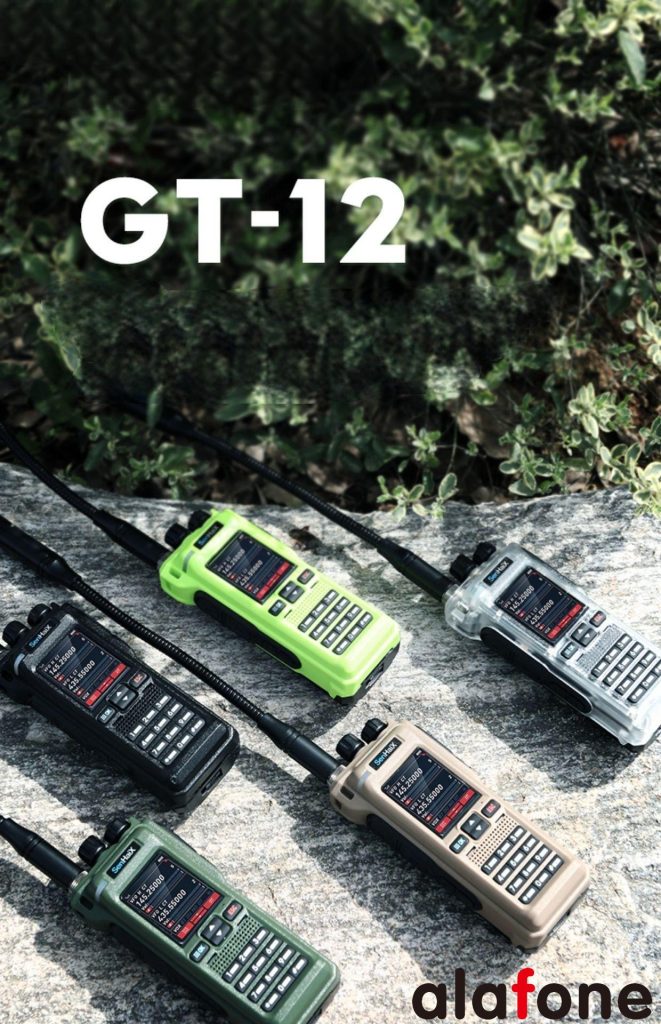
  • Baofeng UV-32 vs Senhaix GT-12

    1. Brand & Target Audience

    • Baofeng UV-32: A budget-friendly radio designed for casual users, outdoor enthusiasts, or those new to amateur radio.
    • Senhaix GT-12: A mid-to-high-end model aimed at professionals and serious radio hobbyists who need advanced features.

    2. Frequency Range

    • Baofeng UV-32: Dual-band (UHF 400-520 MHz, VHF 136-174 MHz), suitable for general-purpose communication.
    • Senhaix GT-12: Dual-band (UHF/VHF with similar ranges) but may offer better stability and extended frequency flexibility.

    3. Transmit Power

    • Baofeng UV-32: Typically 5W/8W (adjustable), ideal for short-to-medium distances.
    • Senhaix GT-12: Up to 10W output, enabling longer-range communication and better signal penetration.

    4. Key Features

    • Baofeng UV-32:
      • Basic functions: CTCSS/DCS, FM radio, channel scanning, VOX.
      • Simple menu system, lightweight design.
    • Senhaix GT-12:
      • Advanced features: BluetoothGPS, digital voice modes (e.g., DMR support in some models), programmable shortcuts.
      • Enhanced durability and IP-rated water/dust resistance (varies by model).

    5. Battery & Runtime

    • Baofeng UV-32: Smaller battery (e.g., 1800mAh), shorter runtime (~8-12 hours depending on usage).
    • Senhaix GT-12: Larger battery (e.g., 3000mAh), longer runtime (~12-24 hours), often with USB-C charging support.

    6. Build Quality & Design

    • Baofeng UV-32: Plastic casing, compact and lightweight, but less rugged.
    • Senhaix GT-12: Reinforced construction (e.g., metal frame), ergonomic design, and better weatherproofing.

    7. Price

    • Baofeng UV-32: Very affordable (30−30−50 USD), great for beginners or low-budget users.
    • Senhaix GT-12: Pricier (100−100−200 USD), justified by premium features and build quality.

    8. Software & Customization

    • Baofeng UV-32: Basic programming via CHIRP software, limited customization.
    • Senhaix GT-12: Advanced software support with more granular control (e.g., custom channel groups, GPS mapping).

    Summary

    • Baofeng UV-32: A no-frills, entry-level radio for casual use or backup purposes.
    • Senhaix GT-12: A feature-packed, durable radio for professionals, emergency responders, or advanced hobbyists.

    Choose the Baofeng UV-32 for simplicity and affordability, or the Senhaix GT-12 for enhanced performance and advanced capabilities.

  • Xiegu X6200 Shortwave Radio: 4-inch color screen supporting aviation band, power 8 watts

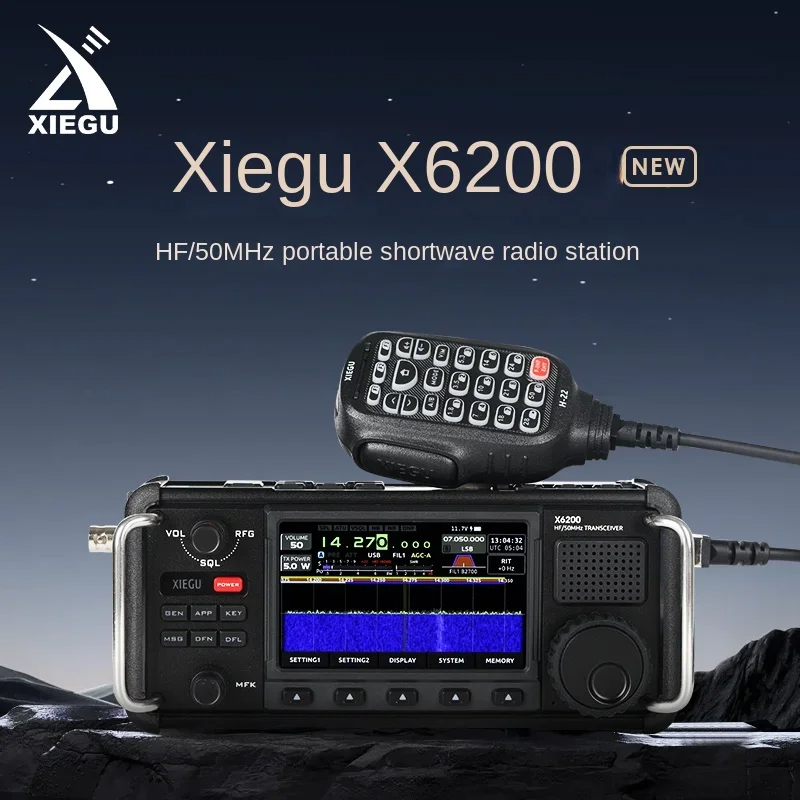
    The Xiegu X6200 has finally been launched !

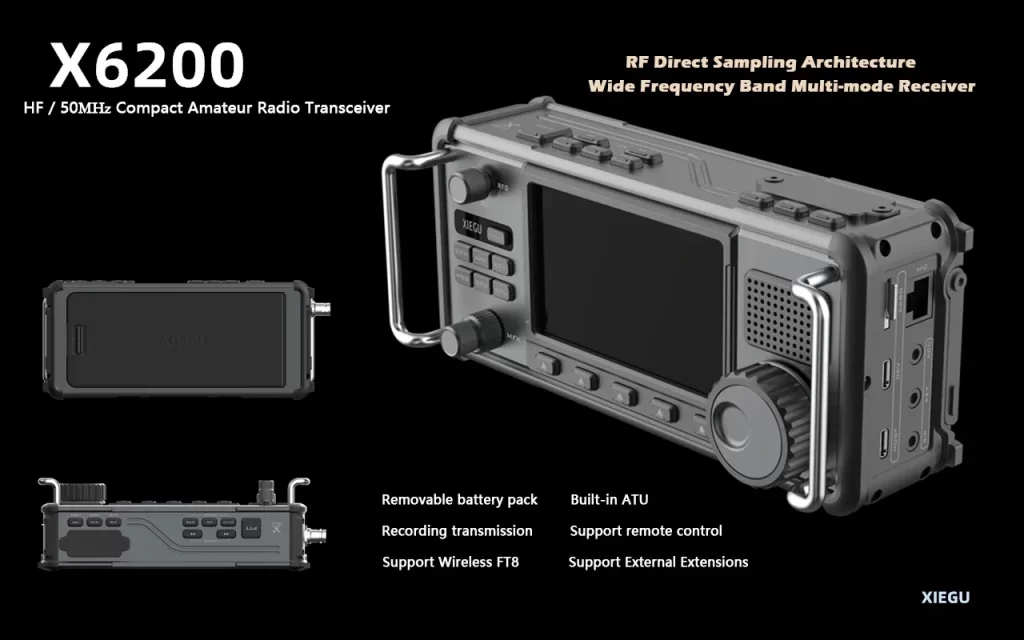
    The newly upgraded Xiegu X6200 shortwave radio has RF direct sampling technology, which can cover full mode communication of HF/50MHz, including data communication. It is not only capable of receiving WFM broadcasts (88-108MHz) and aviation frequency bands (108-136MHz), but also supports remote control and a detachable battery pack for easy mobile use. The built-in automatic antenna tuner ensures stable signal reception. In addition, it also integrates multi-mode modems, preset message and voice automatic calling functions, as well as USB interfaces, making data transmission, control, and computer automatic time reporting simple and convenient.

    The Xiegu X6200 shortwave radio provides a maximum transmission power of 8W, meeting the communication needs of amateur radio enthusiasts. When using the built-in battery, the maximum transmission power is 5W, but according to testing, the signal impact is not significant.

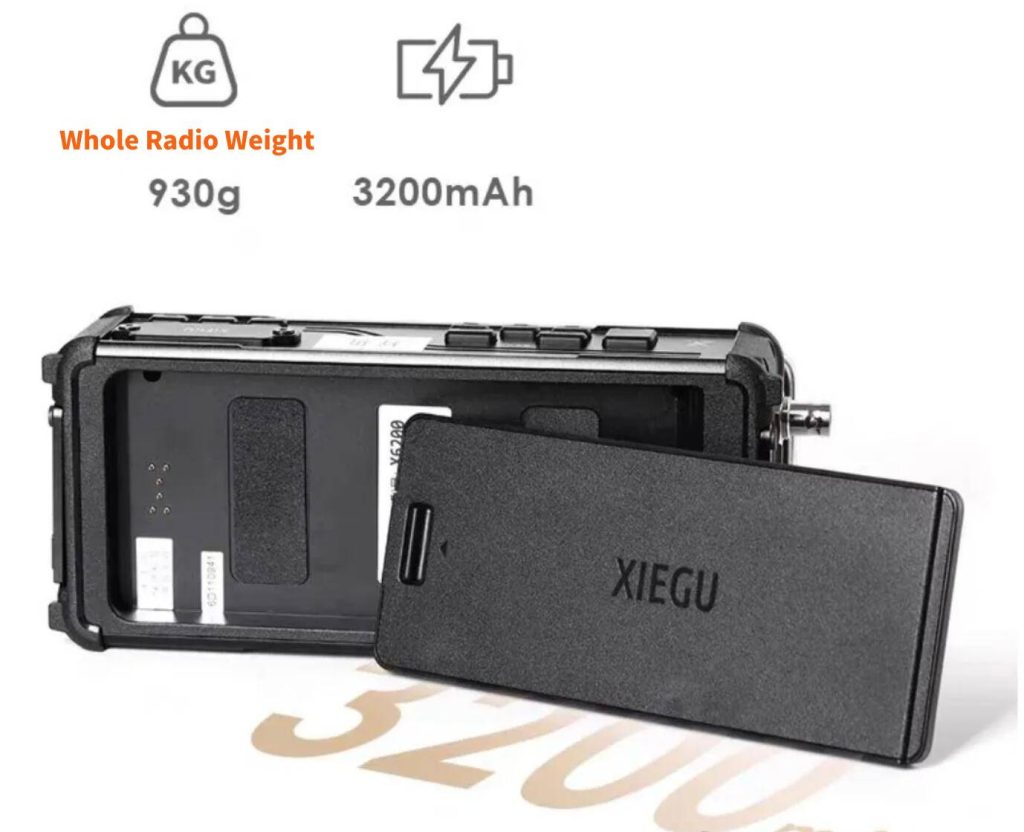
    The whole Xiegu X6200 has a compact design, a small appearance, a weight of 930g, and a battery capacity of 3200mAh. When fully charged, the battery life should reach about 4 hours.

    Connect a Type-C data cable to the computer to perform FT8 operations. The radio has a built-in sound card and FT8 decoder. Supports decoding CW, RTTY, and PSK signals and displaying them in text format on the screen.

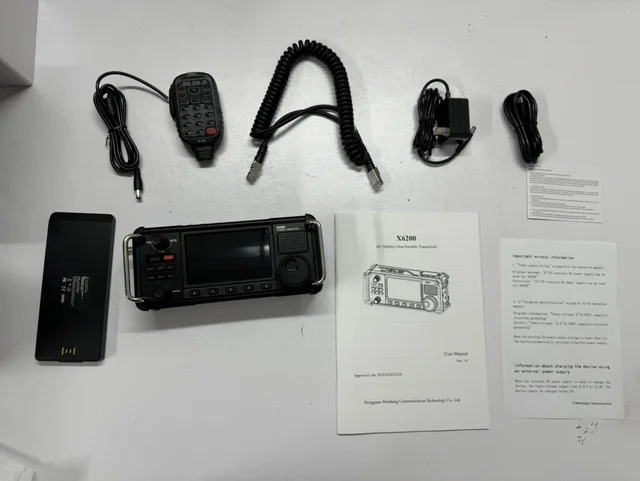
    Package includes: a detailed manual, a charger, a DC power cord, a USB to USB-C data cable, and a multifunctional handheld microphone. This handheld microphone has advanced features such as direct frequency input, mode switching, and channel storage and retrieval. Would you consider buying the Xiegu X6200 shortwave radio?

  • Zello Tutorial for Intercom APP Software

    Zello tutorial, the world’s hottest intercom app software, with multiple channels available for instant messaging (mobile and computer versions)

    Today, We would like to recommend a very practical Zello mobile intercom app to everyone. As long as one person speaks, all the content will be sent to all users in the group for broadcasting. It supports Android, Windows Phone, iPhone, and PC versions. Unlike typical communication programs and social networking apps, simply click on the “speaker” to send and a sound will be emitted directly, similar to the functionality of traditional wireless intercoms. But in addition to the private messaging mode, Zello also has a multiplayer open channel!

    Zello walkie talkie app free download

    Google Play:Free download of Zello walkie talkie app (Android version)

    https://play.google.com/store/apps/details?id=com.loudtalks&hl=zh_TW

    App Store download : Zello Walkie Talkie iOS(iPhone、iPad)APP

    https://apps.apple.com/tw/app/zello-walkie-talkie/id508231856?ls=1

    PC version download: Install Zello walkie talkie software PC version

    https://zello.com/data/ZelloSetup.exe

    Zello walkie talkie app tutorial

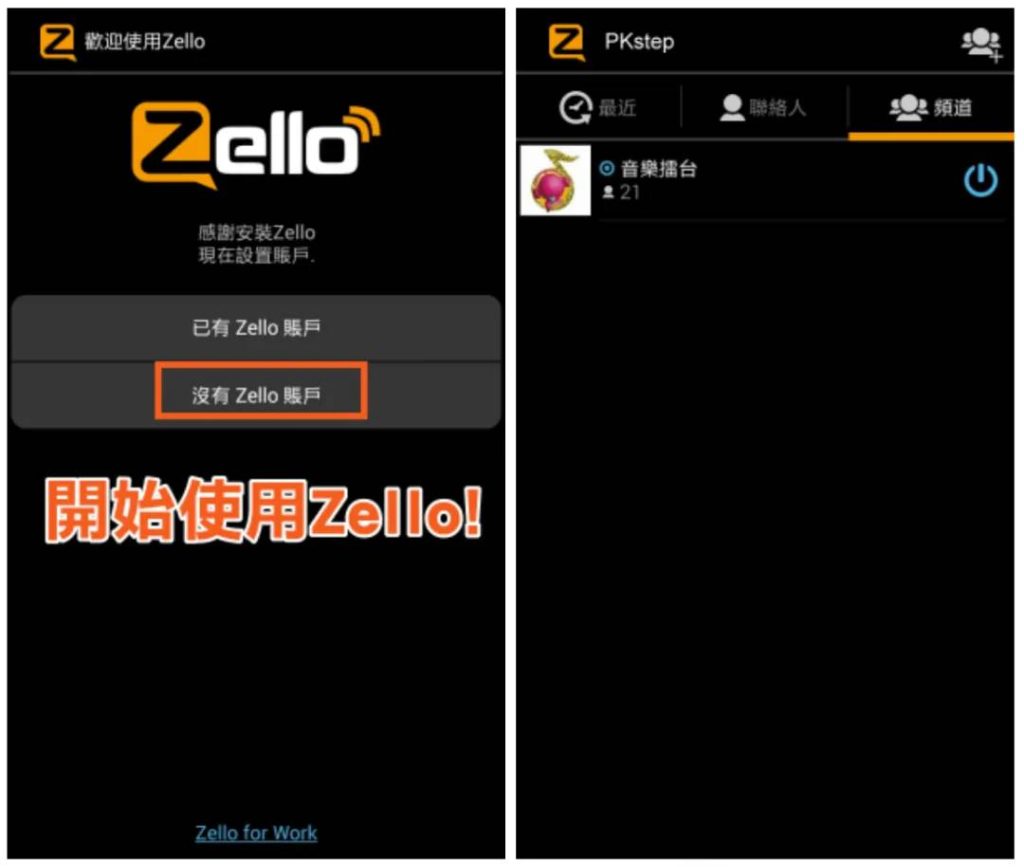
    Step 1: Download and install the Zello walkie talkie app, and then register as a user for free. In addition to being able to add individual users for private message communication, the app also provides a “channel” function.

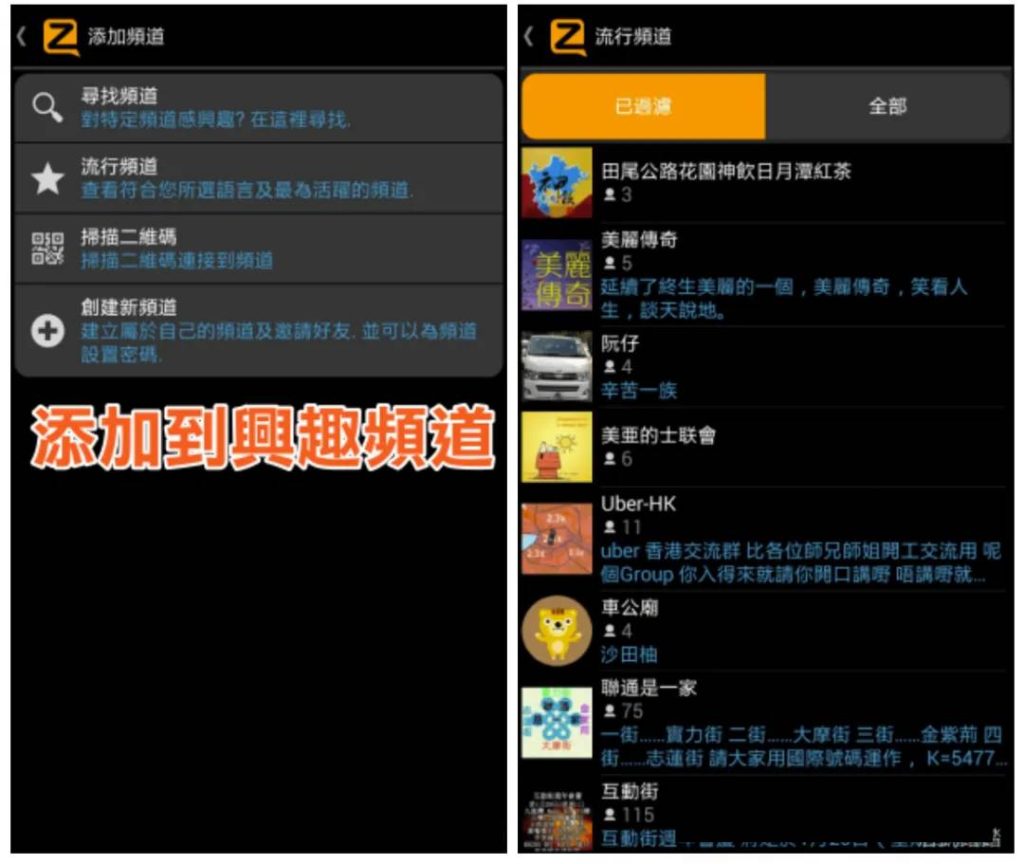
    Step 2: You can join any “channel” group you are interested in by scanning the QR code or searching for keywords. Once someone speaks in the channel, all group members will receive a message, which is very convenient and especially suitable for organizing events!

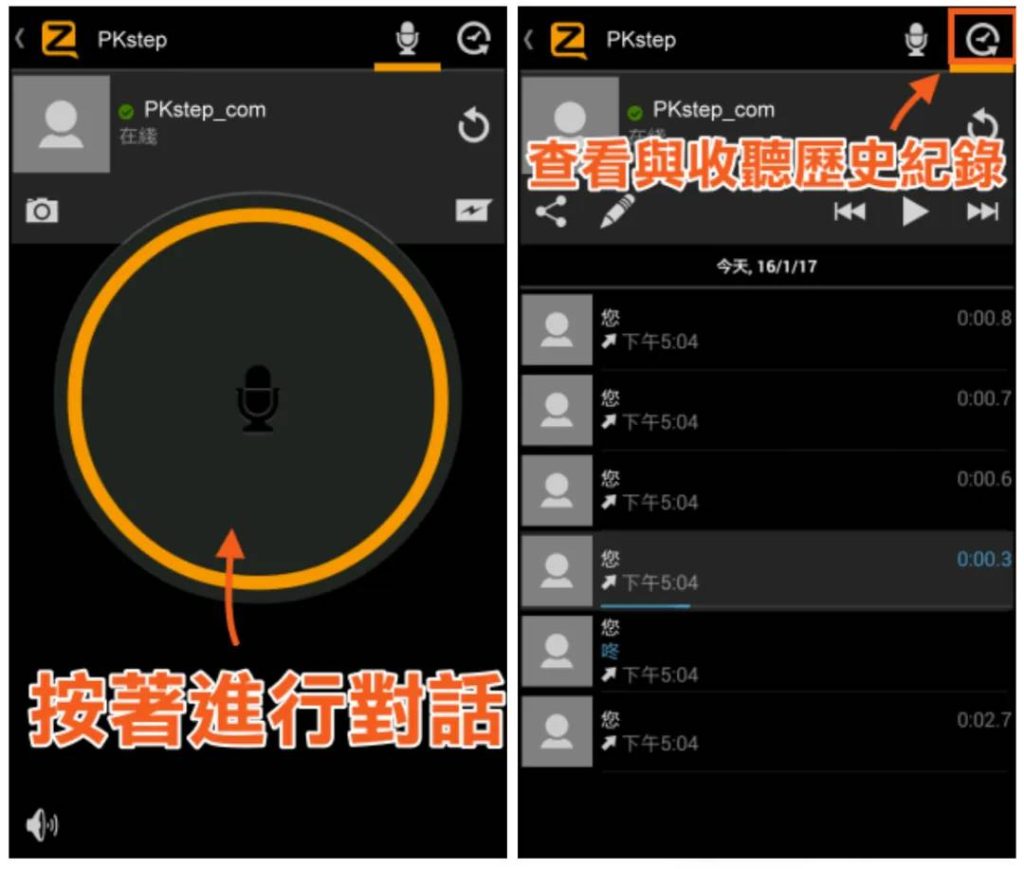
    Step 3: Click on the microphone icon in the middle, and you can “say” the message to your friends. In the bottom right corner, there is a “speaker icon” that allows you to adjust whether the sound comes from headphones or speakers. In addition, you can also view the conversation records of historical transmissions at any time, making it convenient to review and search for previous communication content.

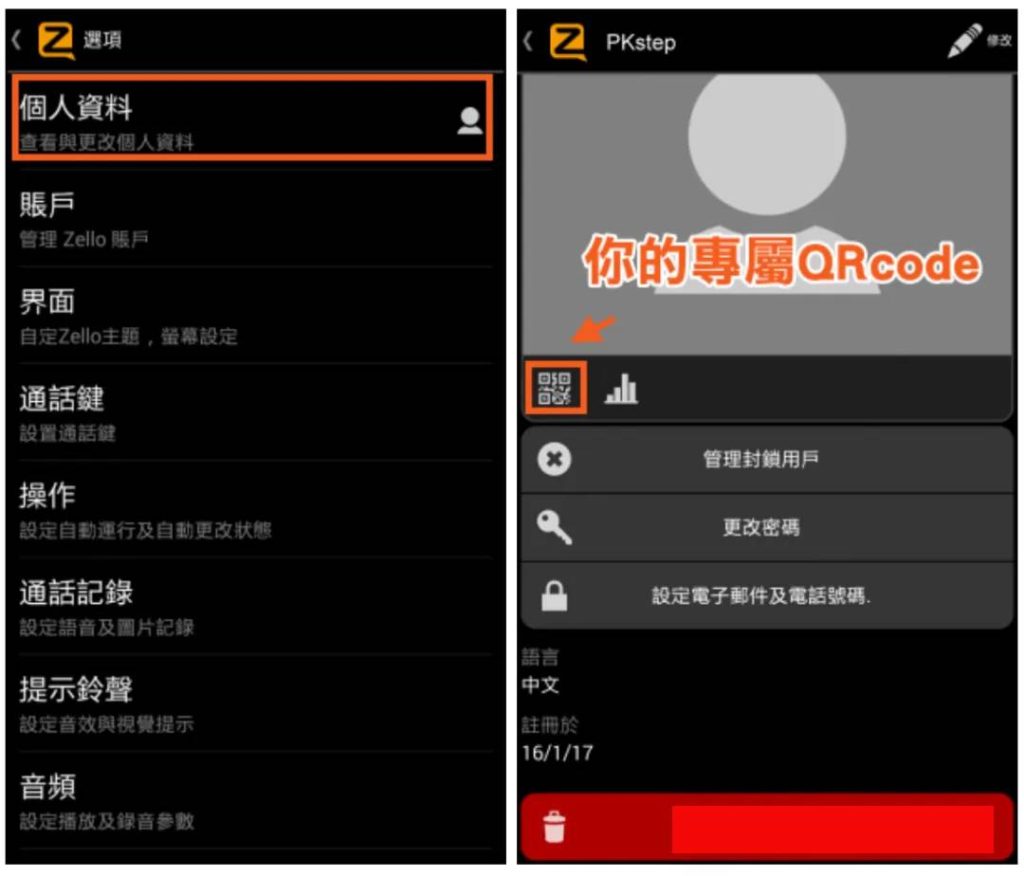
    Step 4: Enter the settings interface, where you can find options related to account management, call history, ringtones, and more. In the “Profile” section, you can view your exclusive QR code so that other users can easily add you as a friend by scanning the QR code. Meanwhile, you can also manage your blocked user list here to ensure a safe and comfortable communication environment.

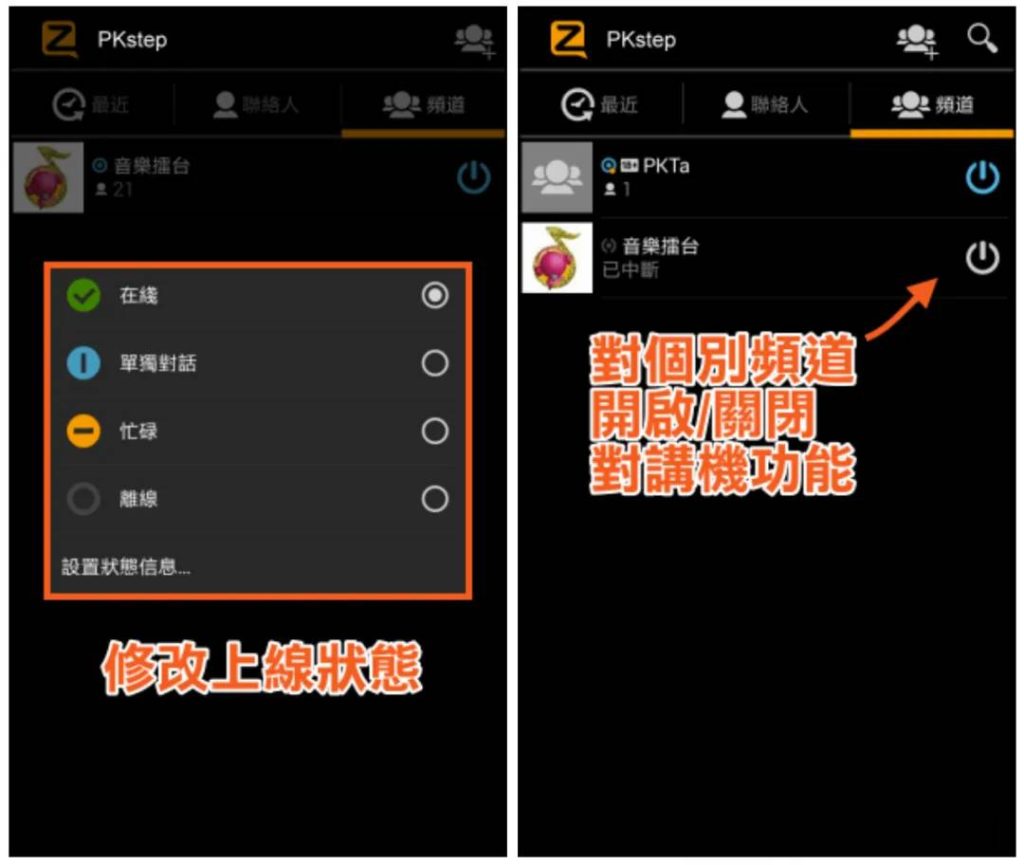
    Step 5: If you don’t want to receive any chat messages from the walkie talkie, you can set your status to online, busy, or logged out. In addition, if you think a channel is too noisy, you can also adjust it in individual settings to choose whether to interrupt receiving broadcast messages on that channel, so as to better manage your communication environment.

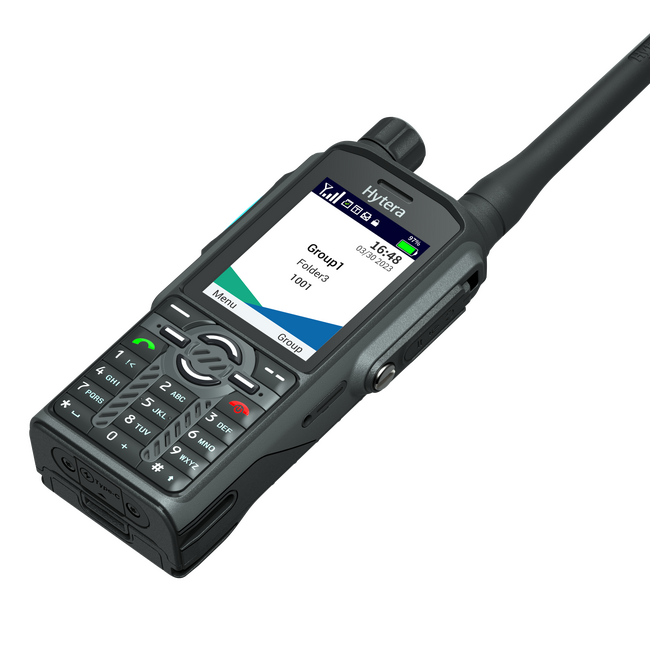
  • HYTERA PT590 Portable Professional TETRA Terminal |New Product

    HYTERA PT590 TETRA standard, 3 watts of transmission power, 20 hours of standby, supports voice command interaction!

    Reliable voice communication is crucial for every critical action. Whether ensuring the smooth operation of rail transit or managing busy ports and airports, efficient and stable communication is the cornerstone of ensuring smooth task execution and rapid response to emergencies. The new generation TETRA walkie talkie PT590 from HYTERA provides excellent performance and innovative technology to safeguard your every critical action.

    Critical communication, fearless of challenges

    1) Strong signal, longer reception coverage

    Faced with complex urban areas with high-rise buildings or deep underground tunnels, ordinary walkie talkies are often inadequate, and signals are easily obstructed or interfered with. PT590 has a powerful transmission power of 3W and a receiving sensitivity of -119dBm. Even in weak signal scenarios, it can quickly and stably transmit critical information, ensuring smooth instructions and safeguarding the safety of on-site personnel.

    2 )Loud and clear voice, PT590 helps you quickly get key information

    In emergency situations, every second counts. We deeply understand that clear and loud voice is the lifeline to ensure timely and accurate communication of instructions. The HYTERA team has crafted it with ingenuity, increasing the maximum volume of the PT590 walkie talkie to a stunning 106phons and the speaker sensitivity to 4-5 dB, ensuring that commands are quickly recognized even in the midst of noisy background noise. Integrating advanced AI noise reduction technology, PT590 instantly eliminates up to 30dB of noise without delay throughout the entire process, ensuring clear and accurate communication of critical task instructions.

    3) Accurate positioning, worry free decision-making

    At the critical moment of emergency rescue, precise positioning is the key to victory. PT590 supports single Beidou dual frequency positioning with a positioning accuracy of up to 1 meter, allowing the command center to real-time grasp the precise location of on-site personnel and patrol coverage, providing a solid basis for scientific decision-making and efficient scheduling, making rescue operations more accurate and efficient.

    4) Protecting privacy and security, multiple encryption methods for you to choose from

    We are well aware that the security and privacy protection of communication data are crucial. PT590 provides multiple advanced encryption methods such as air interface encryption, end-to-end encryption, and SIM card customized encryption to choose from, building an unbreakable data security defense line. It can also customize privacy protection schemes according to user specific needs to prevent information leakage and protect every sensitive data of yours.

    Efficient and easy-to-use, excellent experience

    1) Intuitive UI interface, easy to operate

    When users are in a high-pressure working environment, they have extremely high requirements for the speed and accuracy of communication. The tedious operation steps often become a stumbling block in communication. PT590 simplifies the complexity according to this requirement, using an intuitive nine grid UI interface combined with a 2.4-inch LCD screen. Its unique semi reflective and semi transparent design can intelligently adjust the light, ensuring that the screen content is clear and visible even under strong outdoor light, making the operation more convenient and greatly improving the user experience.

    2) Facing various harsh tests, able to withstand them

    PT590 is not only easy to operate, but also known for its excellent durability. Reaching IP65/66/67/68 waterproof and dustproof levels, fearless of falling and harsh environmental challenges, ensuring stable communication quality, reducing communication interruptions caused by equipment failures, ensuring timely and accurate information transmission, and facilitating efficient collaboration. In addition, the PT590 specially designed anti magnetic horn still performs well in metal dust environments such as steel plants and ports, further enhancing the reliability of communication.

    3) Endurance from morning till night, no spare battery is needed

    In terms of battery life, PT590 is equipped with a 2000mAh large capacity lithium battery, with a standby time of up to 20 hours. It supports Type-C fast charging, which can be plugged in and charged at any time, making it convenient and fast. It also achieves fast charging in 1.5 hours and 100% full charge. In emergency situations, the fast charging function quickly restores the fully charged state, ensuring uninterrupted communication and greatly reducing your charging burden. Without carrying a spare battery, it can easily cope with various complex scenarios.

    4) Intelligent management makes communication easier

    PT590 also incorporates intelligent management concepts. Combined with Hytera Smart MDM software and WLAN functionality, remote batch management, frequency writing, and upgrades can be achieved without the need for on-site visits, allowing for easy device updates. This not only saves time but also reduces management costs, making communication management easier and more efficient.

    5) Voice commands, freeing hands

    Making narrowband walkie talkies more intelligent to assist key tasks is also what PT590 is striving to achieve. PT590 introduces the latest voice command function. Whether it is fire construction, pursuit operations, or material sorting, users only need simple voice commands to complete group switching, calling, Bluetooth switching, positioning and other operations, freeing their hands and making work more efficient and focused.

    PT590 combines excellent performance, innovative technology, and user-friendly design, which is not only a comprehensive upgrade to traditional TETRA walkie talkies, but also a precise response to future communication needs. We believe that PT590 will become an indispensable force in safeguarding every critical operation and ensuring safety and stability with its outstanding performance.

    HYTERA has always been committed to providing customers with reliable and efficient communication solutions, and the release of PT590 is a vivid manifestation of this commitment. In the future, we will continue to uphold the spirit of innovation, constantly explore and break through, and bring more surprises and possibilities to the key communication field!

  • How can Railway Walkie Talkie ensure communication stability?

    In the vast and complex transportation network of railways, walkie talkies are not only a bridge for communication, but also a lifeline for ensuring safety. However, ensuring the communication stability of railway intercoms in complex railway environments is a challenging task. This article will explore in depth how to achieve stability in railway intercom communication from multiple dimensions such as technology selection, system design, and maintenance management.

    Selection of communication frequency: a prerequisite for avoiding interference

    The communication stability of railway intercoms is first established on the correct frequency selection. A dedicated communication frequency, such as 440-470MHz, is the basis for railway intercoms to avoid overlapping with civilian or other commercial frequencies. The selection of this frequency band requires a deep understanding and scientific planning of the characteristics of the railway environment to ensure the purity and stability of communication signals.

    The Introduction of Digital Communication Technology: The Key to Improving Signal Quality

    The introduction of digital communication technology is the key to improving the stability of railway intercom communication. Compared with traditional analog communication, digital communication technology has stronger anti-interference ability and better speech clarity. The application of digital signal processing technology can ensure the clarity and accuracy of communication in noisy railway environments by improving the signal-to-noise ratio of signals.

    Efficient Modulation and Coding Technology: Ensuring Enhanced Signal Transmission

    In complex railway environments, the quality of signal transmission directly affects the stability of communication. The use of efficient modulation techniques, such as quadrature amplitude modulation (QAM), combined with advanced error correction coding techniques, can significantly improve signal transmission quality, reduce bit error rates, and enhance communication reliability.

    Frequency planning and channel management: the embodiment of scientific scheduling

    Frequency planning and channel management are important means to achieve stability in railway intercom communication. Through scientific frequency planning, mutual interference between walkie talkies can be avoided; Effective channel management can allocate and adjust channel resources reasonably according to actual communication needs, ensuring efficient and stable communication.

    Enhancement of signal coverage: a strategy to eliminate communication blind spots

    Setting up sufficient relay stations or base stations along the railway is an effective strategy to enhance signal coverage and eliminate communication blind spots. The reasonable layout of relay stations can not only avoid signal overlap and interference, but also ensure continuous coverage of communication signals along the railway, thereby improving communication stability.

    The application of multi-path transmission technology: wisdom in dealing with complex environments

    In complex railway environments, signals may be obstructed by buildings, terrain, etc. The application of multi-path transmission technology can utilize reflected and scattered signals to improve the signal arrival rate, thereby maintaining communication continuity and stability in a changing environment.

    Dynamic channel selection technology: advantages of intelligent scheduling

    Dynamic channel selection technology can automatically select the optimal communication channel based on changes in the communication environment. The advantage of this intelligent scheduling is that it can respond in real-time to environmental changes, optimize the use of channel resources, and thus improve the stability and efficiency of communication.

    Equipment maintenance and monitoring: the cornerstone of continuous stability

    Regular maintenance and inspection of railway intercoms and related equipment is a necessary measure to ensure that the equipment is in good working condition. At the same time, implementing real-time monitoring can timely detect and solve communication problems, providing continuous guarantee for communication stability.

    Training for professional operators: a necessary way to improve operational skills

    Providing professional training to railway staff to ensure they understand the correct usage and troubleshooting techniques of walkie talkies is a necessary way to improve operational skills and reduce the impact of operational errors on communication stability. The training of professional operators not only improves the efficiency of communication, but also provides talent guarantee for communication stability.

    Development of emergency plans: preparation for responding to unexpected events

    Developing detailed emergency plans for possible communication failures or interferences is an important measure to ensure rapid restoration of communication in emergency situations. The formulation of emergency plans reflects the foresight and ability to respond to unexpected events, providing the final guarantee for communication stability.

    So the communication stability of railway intercoms is an important guarantee for the safe operation of railways. Through comprehensive measures from multiple dimensions such as technology selection, system design, and maintenance management, we can effectively improve the communication stability of railway intercoms in complex railway environments. This requires not only technological innovation and application, but also scientific management and strategy formulation. With the continuous development of the railway industry and the advancement of communication technology, we have reason to believe that the communication stability of railway intercoms will be further improved, making greater contributions to the safety, efficiency, and intelligence of railway transportation.

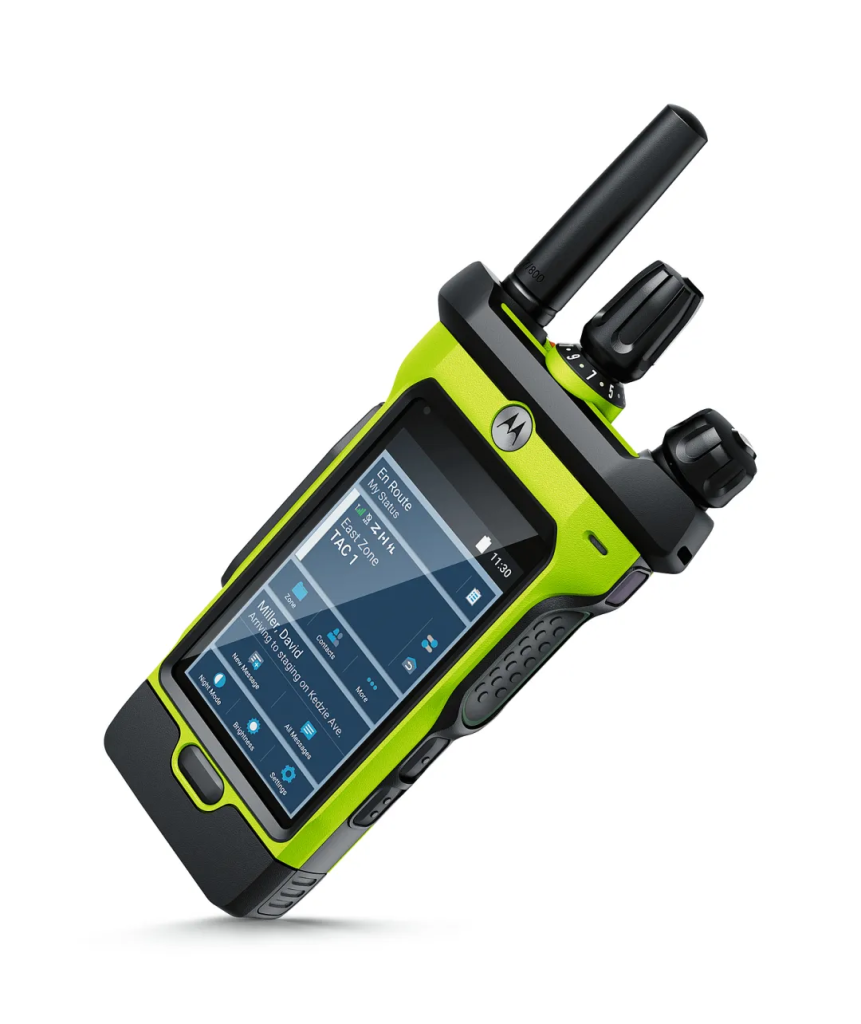
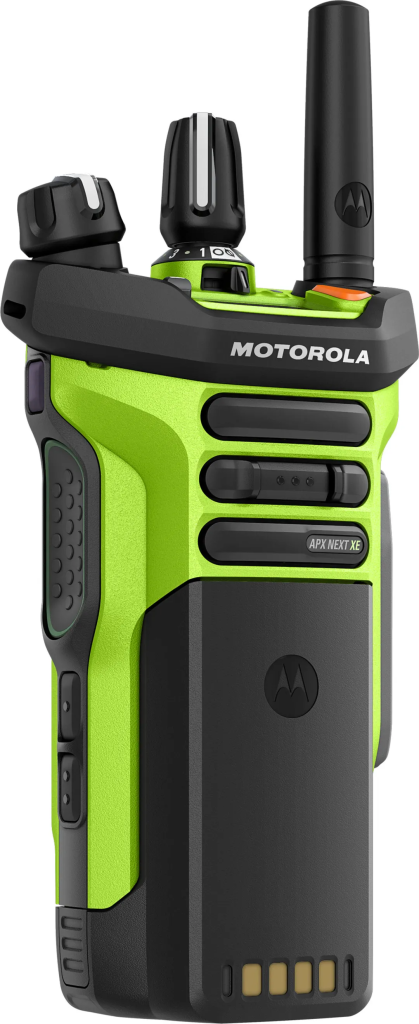
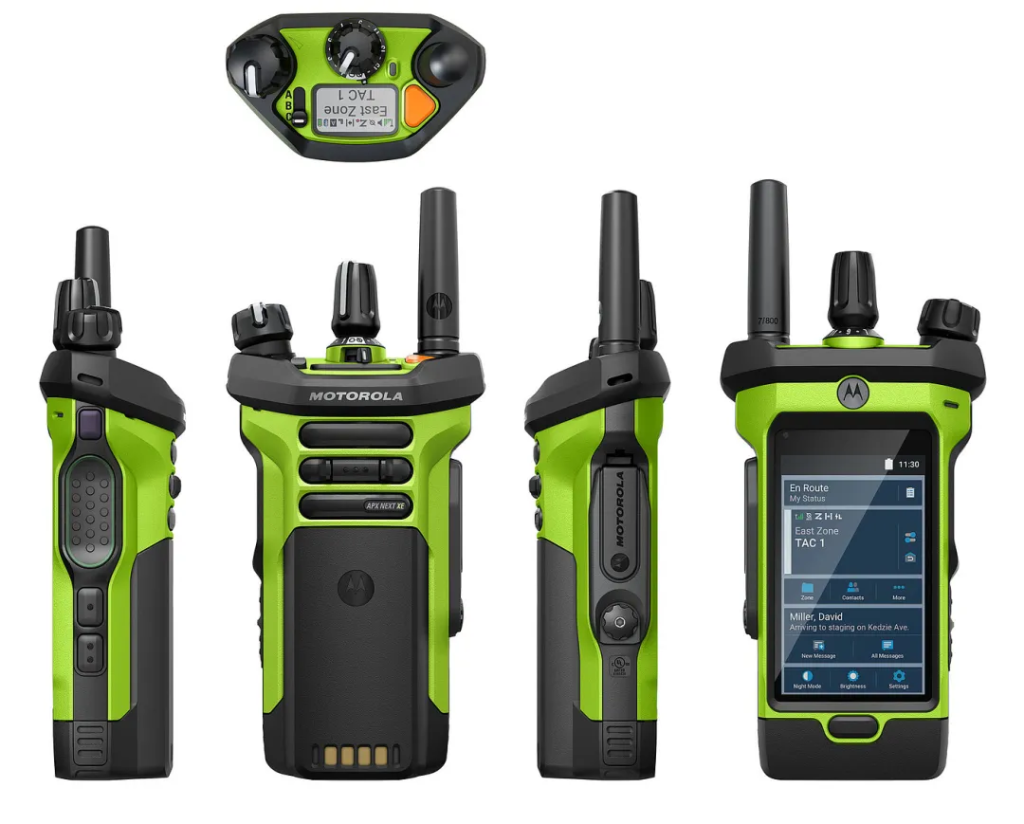
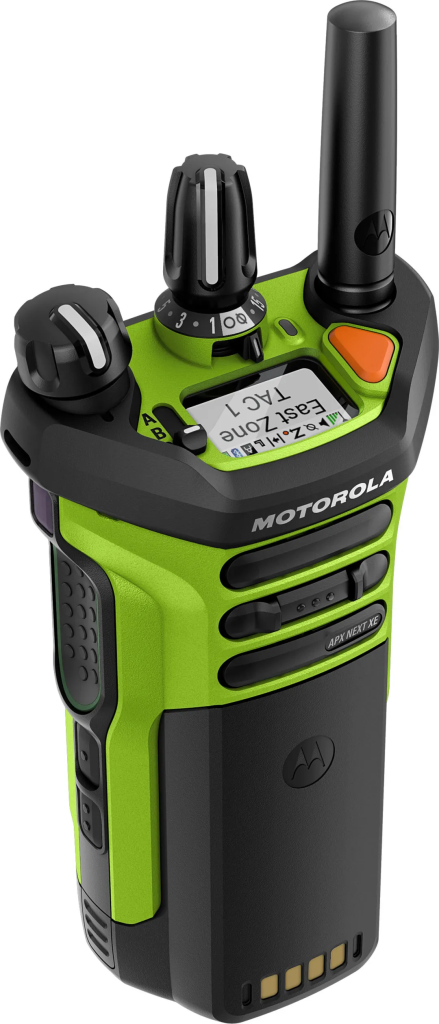
  • Motorola APX NEXT XE All-Band P25 Smart Radio

    This Newest Motorola fire walkie talkie has powerful functions and high aesthetic value!

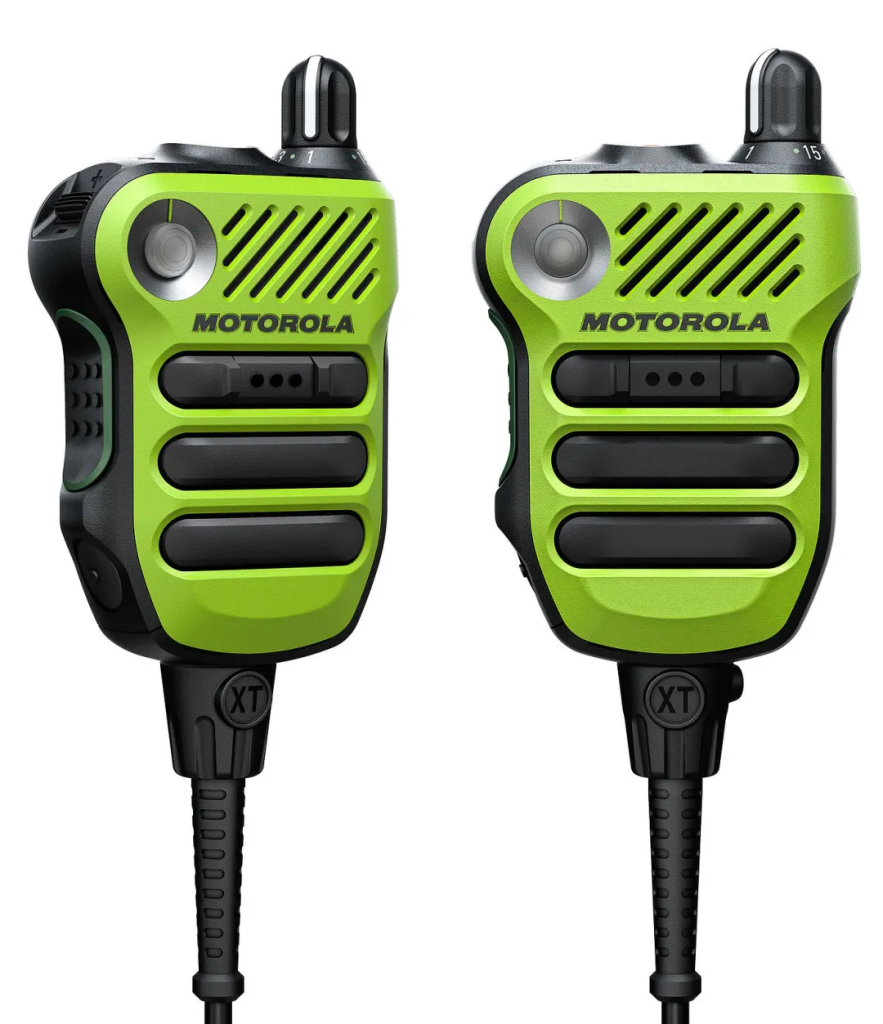
    The APX NEXT XE mobile two-way communication device and remote microphone are developed to provide support for firefighters and emergency responders in critical situations. It can maintain continuous connection with team members and command centers. The intelligent voice control function enables users to send, query, and receive important information and data through voice commands. Specific intelligent applications are used for location and environment detection, as well as weather forecasting.

    Thanks to the well-thought-out functionality and convincing user-friendliness, this innovative device is a reliable communication device even under difficult circumstances.

    APX NEXT XE / XVE500

    APX NEXT ® XE is its next-generation Project 25 (P25) radio with broadband capabilities specifically designed for firefighters. It combines mission critical voice communication with data applications, combining wireless voice control, information transmission, map drawing, and the latest applications to enhance the situational awareness of on-site personnel. APX NEXT XE and its predecessor APX NEXT ®, It is designed based on thousands of hours of customer-centric practical research.

    Firefighters are always ready to carry out their missions at any time and any place, and the design of the APX NEXT XE is aimed at achieving rapid response and improving safety. Through the application of APX NEXT XE, users can automatically switch between P25 and broadband when leaving the county or state, find each other on interactive maps, share multimedia information, and notify scheduling through GPS location updates every few seconds. The correct configuration is crucial for the correct response, and the entire APX NEXT XE radio team can be remotely updated via LTE within minutes while they are still on site.

    APX NEXT XE offers ViQi ™ Voice control function, users can control the radio through simple and intuitive voice commands. It allows firefighters to perform operations such as changing radio channels, checking battery status, adjusting radio volume, etc. by simply tapping the dedicated ViQi button, keeping their attention focused on the task at hand. ViQi voice control is designed specifically for working in noisy environments at fire scenes, with high dynamic range microphones that enhance clarity and make voice more clear.

    The APX NEXT XE adopts the APX that firefighters have trusted for many years ® The external dimensions and advanced audio processing technology of XE series walkie talkies. It maintains the “one click communication” function that has been relied upon for transmitting important information for a long time, and introduces new performance improvements such as a glove style touch screen. The APX NEXT XE has a sturdy appearance that can withstand the extreme environments faced by firefighters in the wilderness, from high heat to water immersion and immersion.

    Motorola Solutions’ APX NEXT has been certified and is available on FirstNet in the United States ®、 Used on AT&T and Verizon networks, as well as Bell Mobility network in Canada. APX NEXT XE is waiting for authentication and can be used on the same network. These radio devices come in single frequency and multi frequency configurations.

  • Aerial Writing Frequency: Say Goodbye to Writing Frequency Lines!

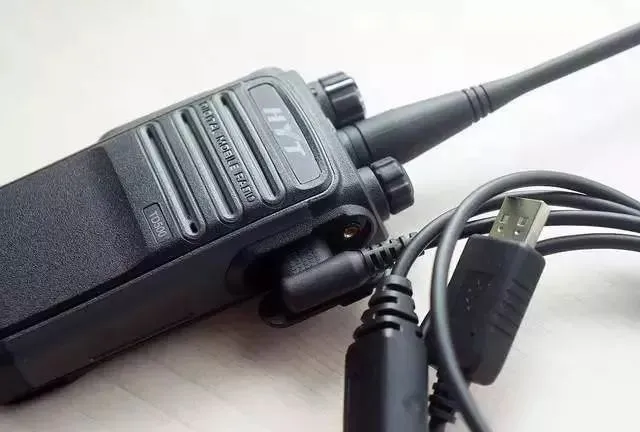
    Traditional frequency writing usually requires the use of a computer and specialized software, as well as a frequency cable (such as a USB to K-head interface cable) to achieve. This method requires users to have certain computer operation skills and walkie talkie frequency writing knowledge. The operation process is relatively complex, and there may be a certain learning threshold for non professionals.

    Due to the complexity of operation and dependence on external devices, traditional frequency writing methods often require a long time to prepare and implement. Especially in the scenario of large-scale deployment of walkie talkies, each walkie talkie needs to perform frequency writing operation one by one, which will greatly increase the time cost.

    The emergence of Aerial frequency writing technology has effectively solved this problem.

    Air frequency writing technology, as the name suggests, refers to the technology of remotely setting and adjusting the frequency, channel, and other parameters of walkie talkies through the air channel. This technology breaks the traditional limitation of writing frequencies through computers and programming cables, achieving wireless and remote parameter settings for walkie talkies.

    Specifically, the Aerial frequency writing technology utilizes wireless communication technology to send the parameter setting instructions of the walkie talkie in the form of wireless signals to the walkie talkie. After receiving the instructions, the walkie talkie automatically adjusts its operating frequency, channel and other parameters according to the instructions. This process does not require connecting a computer or programming cable, greatly simplifying the operation process and improving work efficiency.

    Aerial frequency writing technology has been widely used in various fields, such as public security, fire protection, medical and other public safety departments, which extensively use walkie talkies for communication and coordination. Aerial frequency writing technology can facilitate centralized management and parameter adjustment of these walkie talkies.

    The security of data is an important issue in the wireless transmission process of Aerial frequency writing. If the data encryption and authentication measures during the process of writing frequency in the air are insufficient, it may lead to illegal interception or tampering of data, thereby causing security risks. The air interface frequency writing technology usually adopts security measures such as encryption and authentication to protect the security and privacy of data transmission process. This helps prevent data from being illegally tampered with or sensitive information from being leaked.

    The over the air frequency writing technology is gradually becoming the mainstream technology in the field of walkie talkie frequency writing due to its advantages of convenient operation, high efficiency, safety, and wide applicability. The application of this technology will further improve the efficiency and communication quality of walkie talkies, bringing users a more convenient and reliable communication experience.