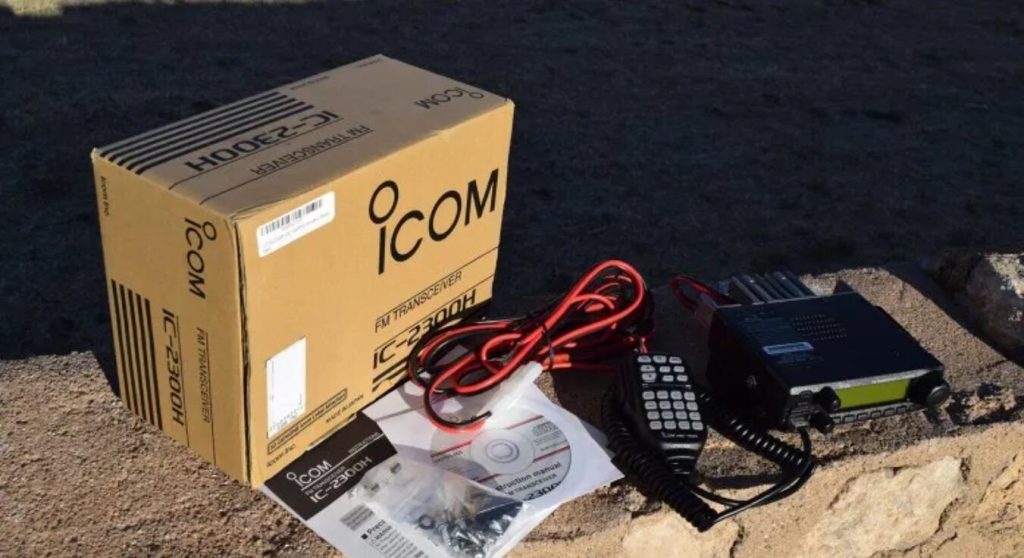
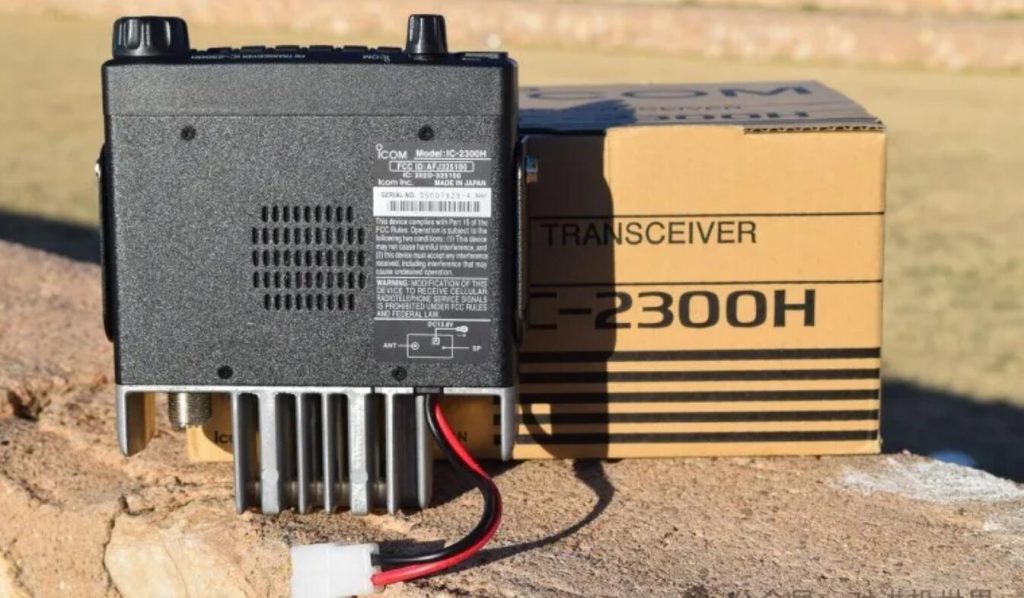
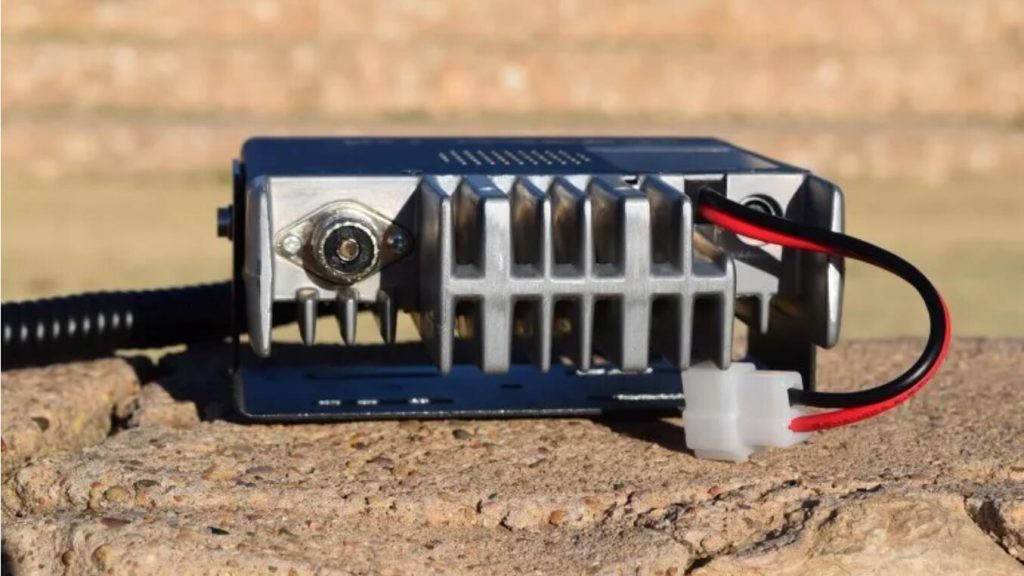
Today we are going to talk aboutIcom IC-2300H, a 2-meter single band mobile radio device. Among numerous competitors, the IC-2300H stands out as a market leader due to its outstanding performance and user-friendly design. Let’s take a look at the highlights of this device together!
Unpacking experience
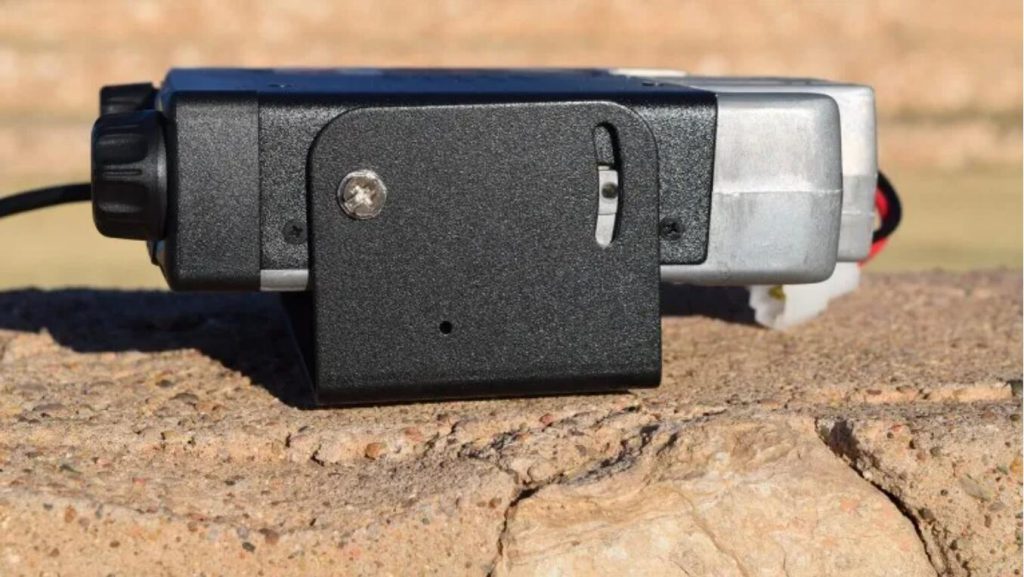
Firstly, unpacking the IC-2300H, you will find that it is equipped with all the basic accessories you need to start using, including a radio host, stand and hardware, handheld microphone, quick start guide, warranty card, programming software CD, and additional fuses and DC power cord. It is worth mentioning that Icom also provides programming software, which is convenient but unfortunately does not come with a programming cable, which may require users to purchase separately.
Design
The design of IC-2300H is both aesthetically pleasing and sturdy, meeting military standards, but its appearance does not appear too rugged. Whether placed on a desk or used in the wild, it can perfectly blend into the environment. Its weight is as light as 2 pounds and 6 ounces, making it one of the lighter products in its class and very suitable for users who need portability.
User Interface
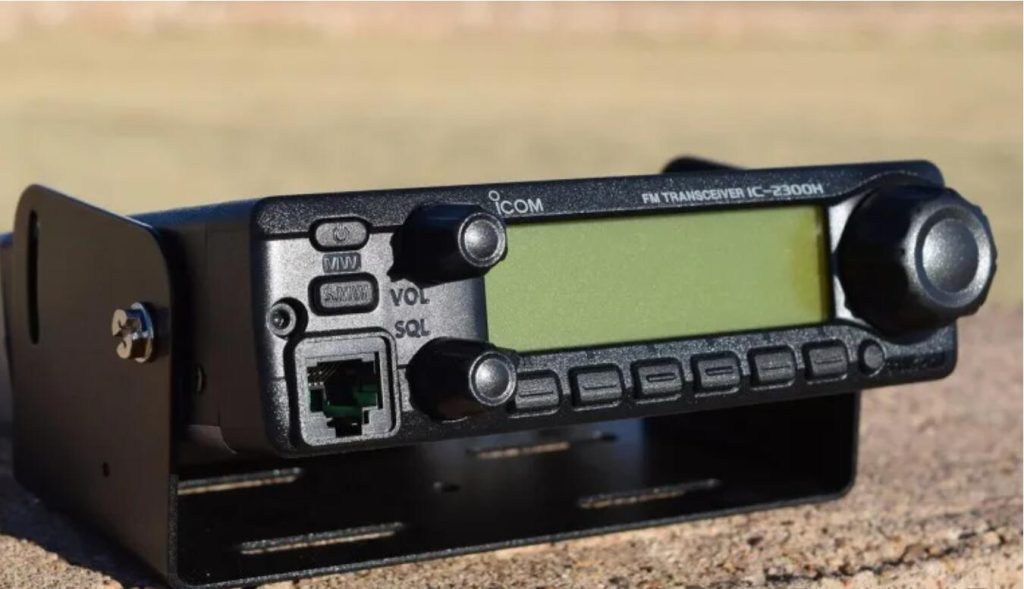
The user interface of IC-2300H is intuitive and easy to operate. The layout of three knobs and nine buttons is reasonable, making it easy for even users with larger hands to operate. Especially the tuning knob on the right side has a solid feel and a noticeable “bumpy” sensation when turned, which is very in line with operating habits.
Functional highlights
Memory function: With 207 nameable memory channels, the operation is simple and can be set directly from a handheld microphone.
Power options: Provides four power settings: 65w, 25w, 10w, and 5w, to adapt to different usage scenarios and needs.
Noise reduction system: equipped with a dedicated noise reduction knob, supporting RF noise reduction and attenuator, which can be adjusted according to the environment to ensure clear communication quality.
Priority monitoring: There are three priority monitoring options, including memory channel monitoring, memory scan monitoring, and call channel monitoring, to improve communication efficiency.
Pocket beep: Similar to a pager, it can emit a prompt when receiving a call, making it very suitable for teams or clubs to use.
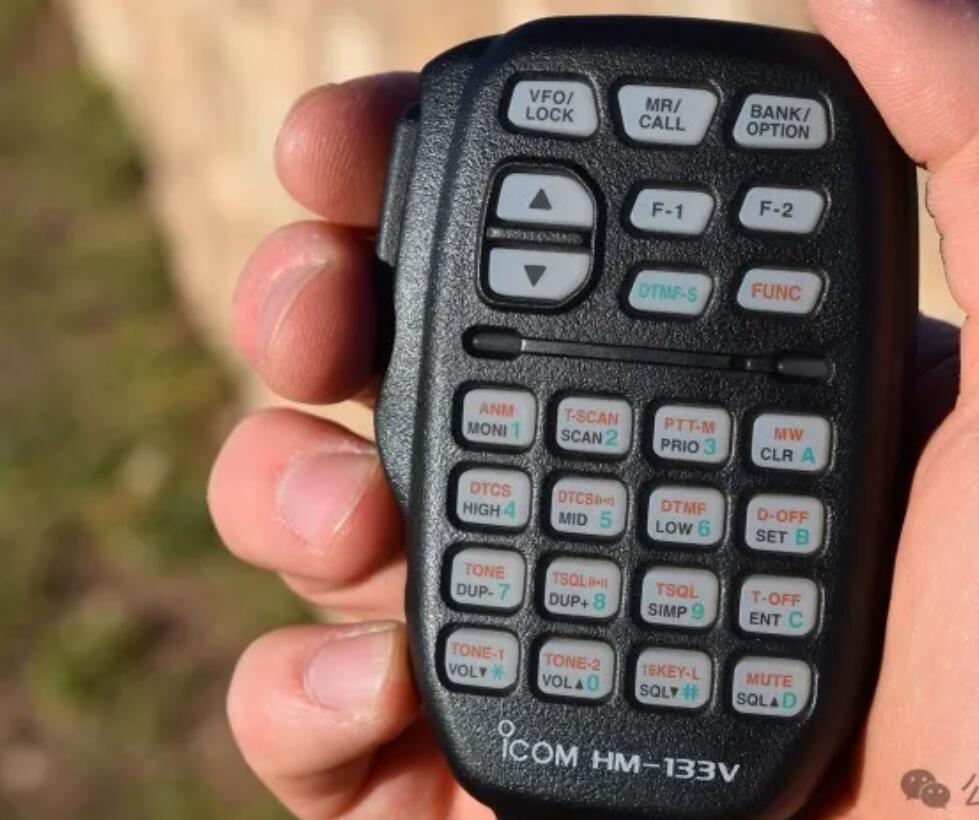
Handheld microphone
The handheld microphone design of IC-2300H is also commendable. It has a natural grip, a reasonable layout of the main buttons, and the sensitivity of the PTT switch is just right. Two programmable function keys can be customized according to user needs, and the design of the status light also provides users with intuitive operational feedback.
Conclusion
Overall, the Icom IC-2300H is a fully functional and user-friendly 2-meter single band mobile radio. Although there are some minor flaws, such as incomplete quick start guides and a lack of programming cables, these do not prevent it from becoming one of the best choices in the market. If you are looking for a reliable, easy-to-use, and high-performance wireless device, the IC-2300H is definitely worth considering.
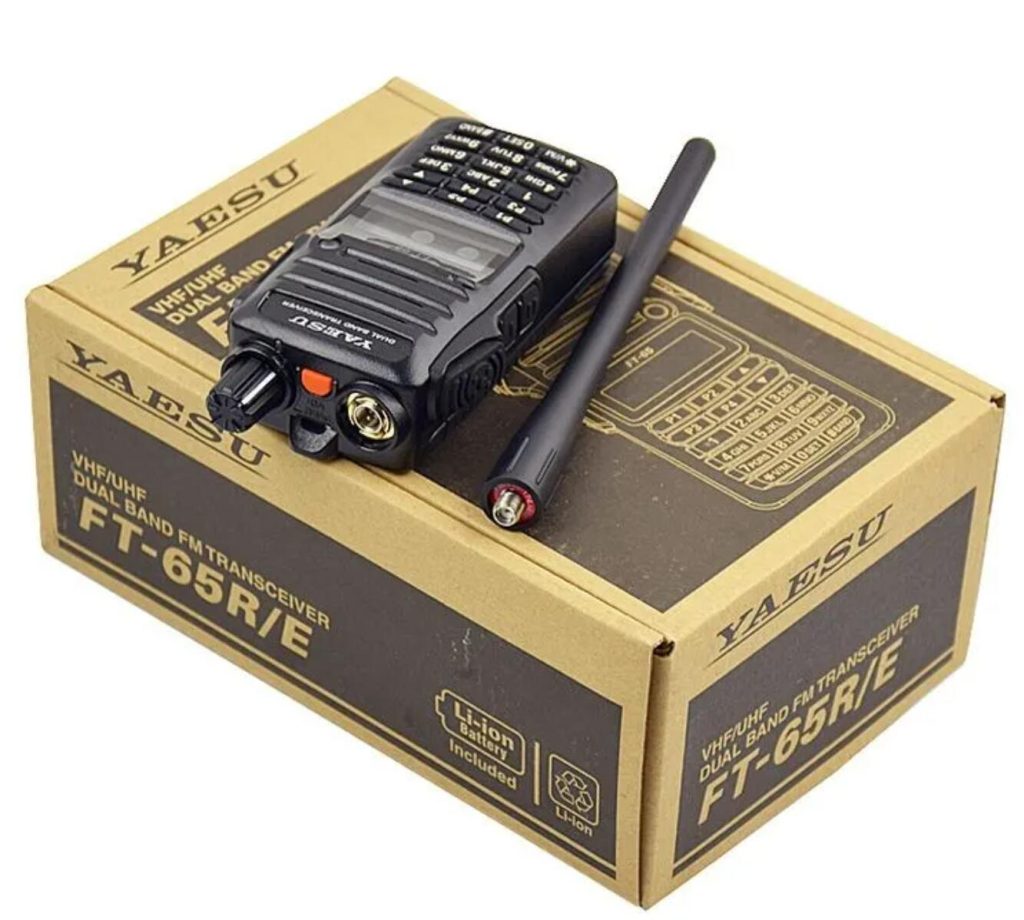
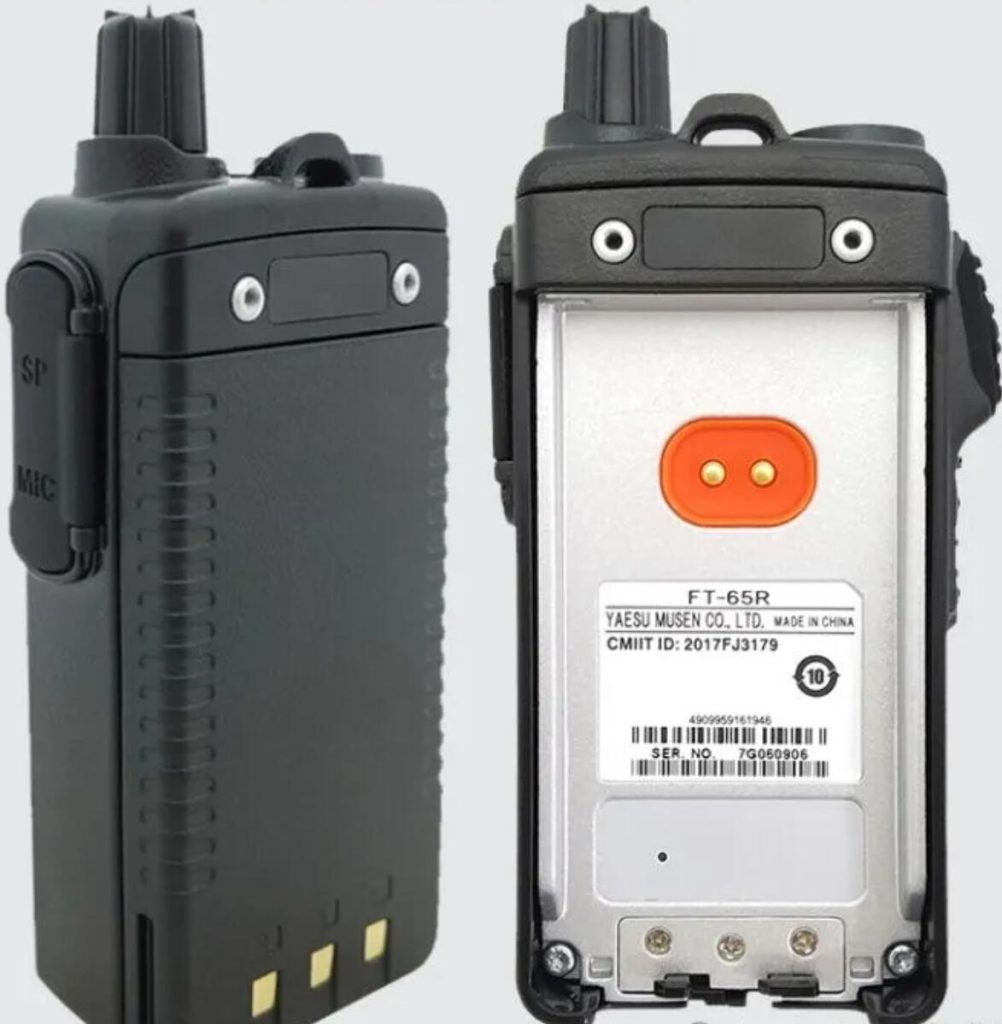
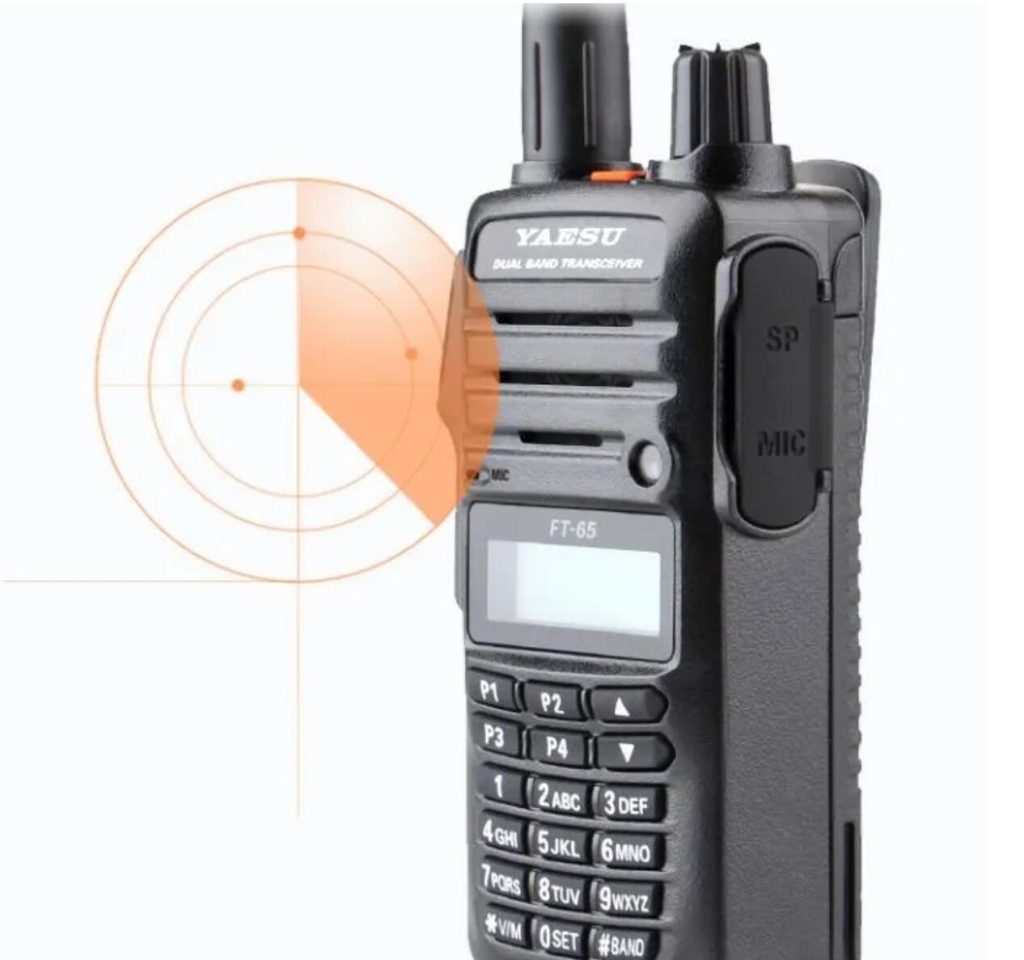
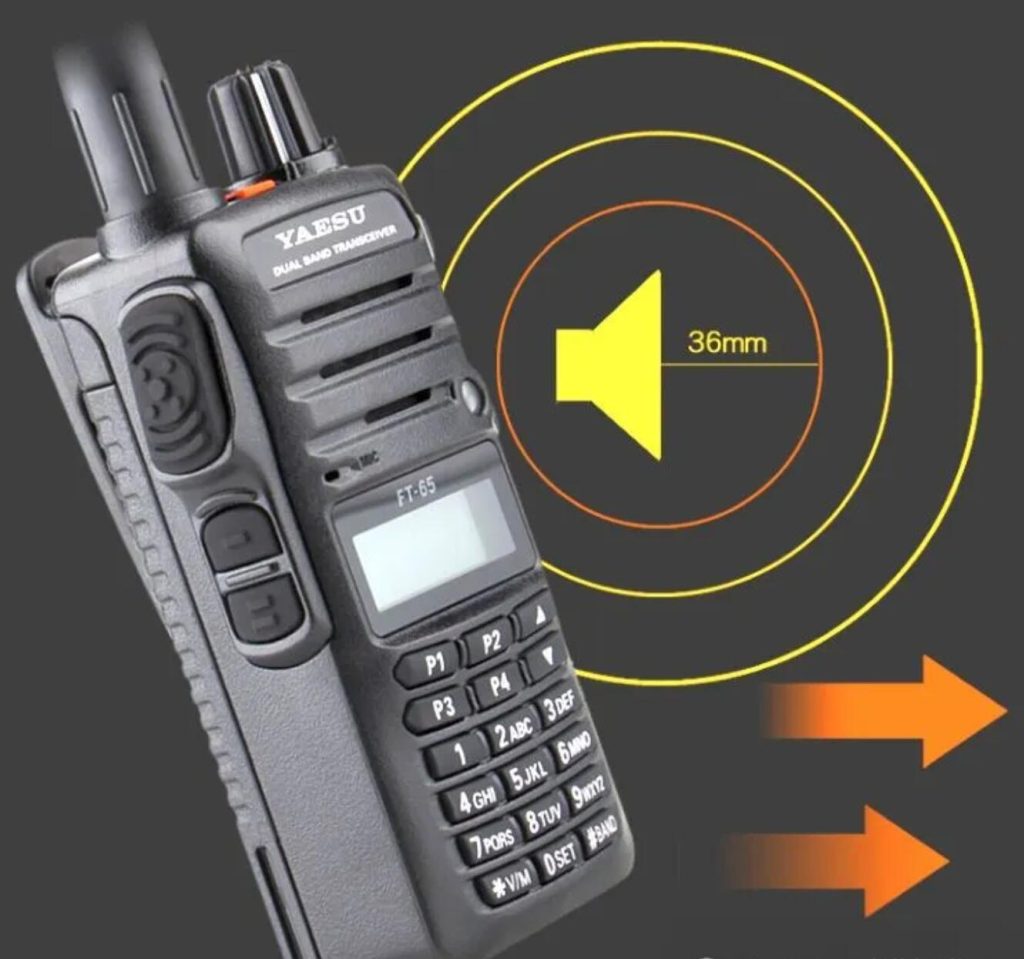
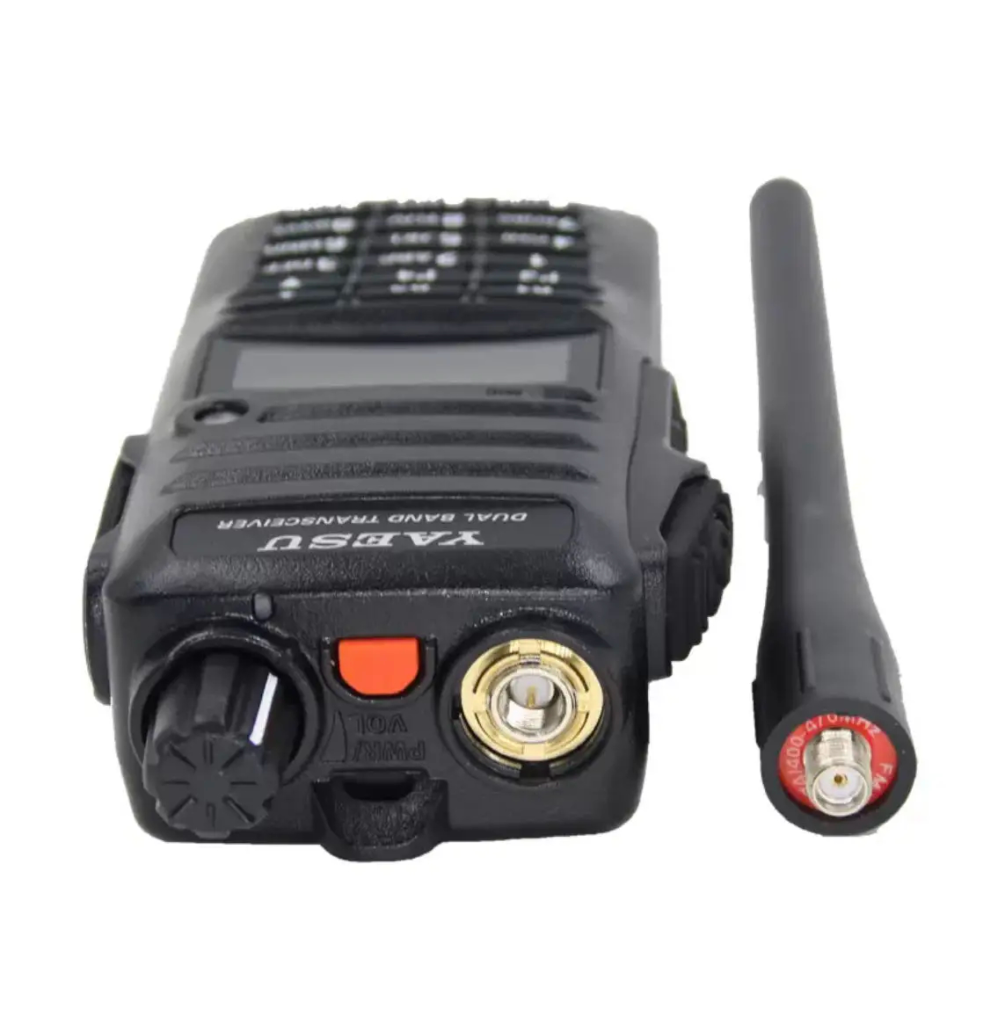
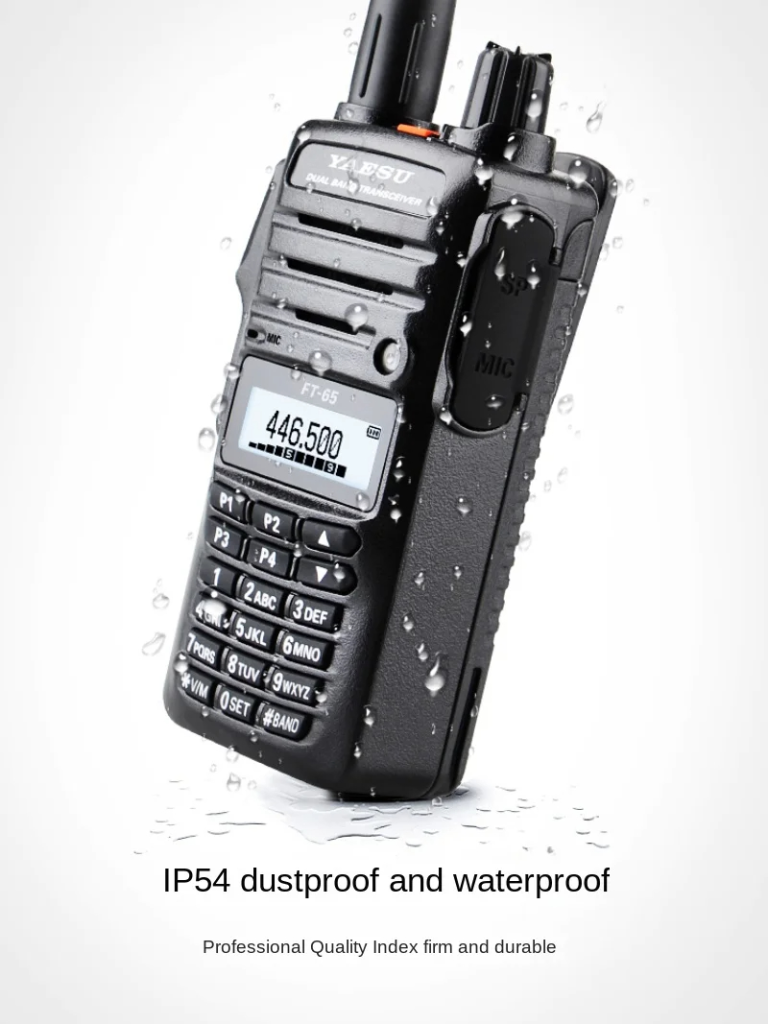
Let’s delve into the details and user experience of this Yaesu FT-65R dual band handheld radio.
Firstly, in terms of appearance, the design of the FT-65R is really attractive. Its shell is sturdy and can maintain good performance even in harsh outdoor environments. Moreover, its IP54 dust and waterproof rating means you don’t have to worry about light rain or dust damaging the equipment. This is definitely good news for users who often work or explore outdoors.
Next, let’s talk about batteries. You know, the battery life of a radio is crucial for mobile communication. The 1950mAh lithium-ion battery pack of FT-65R can provide over 9 hours of usage time, which is sufficient for most situations. But if you are the type of person who needs to use the radio continuously for a long time, the optional 2500mAh battery pack can extend your usage time to 11.5 hours or more. Moreover, the standard 3.5-hour fast charger means you can quickly charge the radio, reducing waiting time.
Now, let’s take a look at its features. The four Quick Recall Keys (QRK) of the FT-65R are really practical. You can set these keys according to your own habits and needs, such as quickly switching to the most commonly used channels or directly accessing specific function menus. This customized experience makes the operation more intuitive and efficient.
The scanning function is also a major highlight of the FT-65R. Its VFO scan allows you to easily browse all channels, while memory scan allows you to quickly check the channels you have programmed. Even better, its priority channel scanning function allows you to prioritize a channel while scanning memory channels, so you won’t feel anxious about missing important communication. Moreover, the weather alarm scanning function will issue warnings when adverse weather conditions occur, which is particularly important for outdoor activities.
In addition, the FT-65R also supports VOX operation, which means you can communicate without manually pressing PTT (push to talk). This is very convenient for users who need to operate other tasks with both hands. Moreover, it also supports PC programming, allowing you to directly set up a radio on your computer through the SCU-35 programming cable, which is a huge advantage for users who enjoy customizing devices.
In terms of advanced features, the FT-65R offers transceiver cloning, FM radio receiver, ARTS (Automatic Range Response System), DTMF operation, and more. These features not only enhance the practicality of the radio, but also provide more gameplay for advanced users.
Finally, let’s talk about cost-effectiveness. The price of FT-65R is very reasonable compared to the features and performance it provides. Whether it’s amateur radio enthusiasts, commercial users, or outdoor explorers, this radio can meet their needs.
Overall, the Bazhong FT-65R is a fully functional and reliable dual band handheld radio. Its design, battery life, scanning function, and advanced features are all impressive. If you are looking for a cost-effective and powerful radio, then the FT-65R is definitely worth a try.
Using walkie talkies during skiing allows for real-time communication, ensuring the safety of team members, responding to emergencies, sharing location information, receiving weather updates, and maintaining contact in areas without mobile phone signals, increasing skiing fun. When choosing a walkie talkie, its waterproof, durable, and low-temperature performance should be considered.
However, with the development of technology, modern walkie talkies have shed their bulky and outdated image and become more lightweight, fashionable, and powerful. Modern walkie talkies not only have a compact appearance and exquisite design, but also have waterproof, dustproof, and impact resistant characteristics, making them very suitable for outdoor activities and extreme sports. They are also equipped with high-definition voice, long endurance, and wide signal coverage, allowing skiers to maintain smooth communication even in harsh weather and complex terrain. In addition, some high-end walkie talkies also support intelligent functions such as Bluetooth connection and GPS positioning, further enhancing the skiing experience and safety. Therefore, modern walkie talkies have become one of the indispensable equipment for skiing enthusiasts.
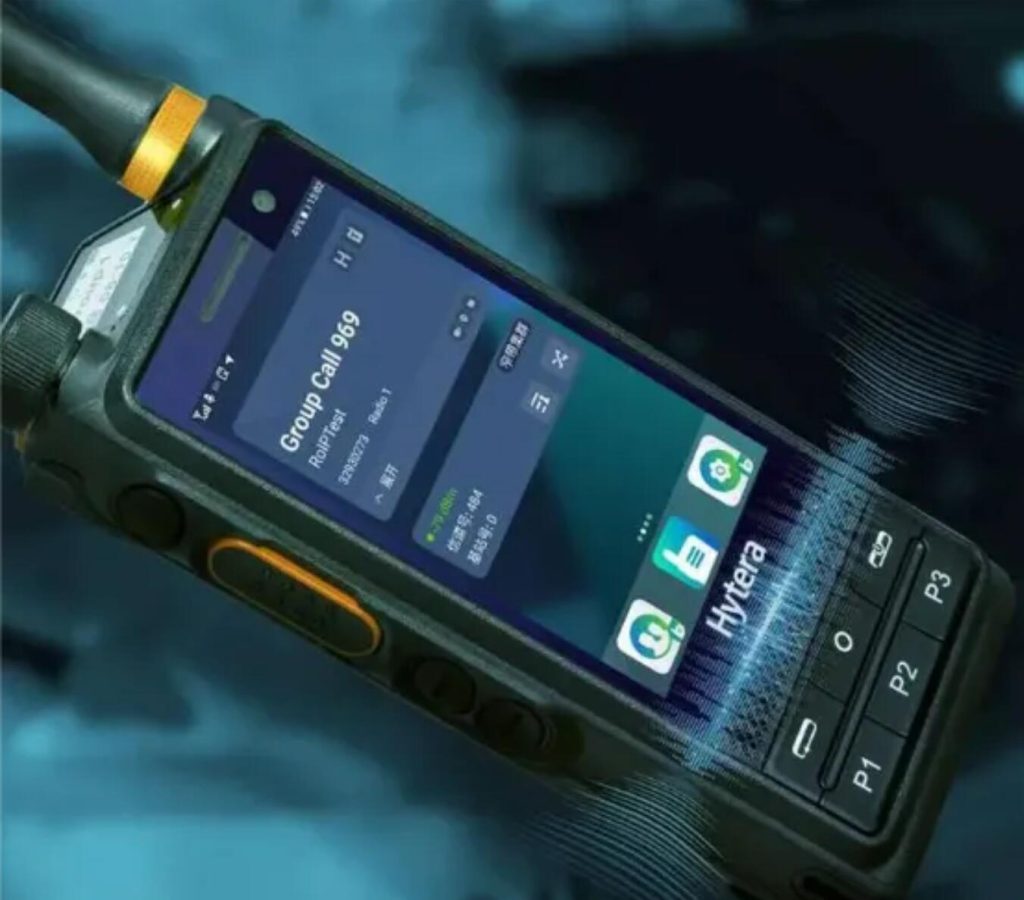
In addition to traditional wireless walkie talkies, public network walkie talkies, as a new type of communication tool, achieve long-distance communication through mobile networks, with simple operation and diverse functions, making them very suitable for outdoor activities and team collaboration.
The Cost of Use
The usage costs of public network walkie talkies and wireless walkie talkies each have their own characteristics. The cost of public network walkie talkies mainly includes equipment purchase costs and subsequent traffic usage fees. For example, the price of sport walkie talkie ski version is approximately USD$88, and the annual fee for the IoT card varies depending on the service provided, ranging from USD$ 8 to 30 . The advantage of this type of walkie talkie is that it can achieve a wide coverage range and can be used almost anywhere with network signals. The price range of wireless walkie talkies is wide, ranging from few dollars to thousand dollars, depending on performance and functionality. Although the radio does not need to pay for Internet traffic, users need to pay a certain frequency occupancy fee, which is usually about USD$ 16 per year. In addition, some helmets and snow goggles designed specifically for skiing now integrate intercom functions. These devices usually support two communication methods: 4G and radio frequency, combining the advantages of public and radio intercoms, providing users with more convenience and choices.
Traditional wireless walkie talkies have relatively low communication latency in environments without obstacles and minimal interference, and are often used in emergency communication, public safety, and other scenarios that require quick response.
Waterproof and durable
Waterproof durability is one of the considerations for skiers when choosing walkie talkies. For example, some wireless walkie talkies are labeled with an protection level of IP54, while the popular 318 walkie talkies are labeled as IPX6. What do IP54 and IPX6 mean?
IP54 refers to the dust and water resistance of electronic product casings. Among them, the number “5” represents a dust level of 5, which means that the product casing cannot completely prevent dust intrusion, but the amount of dust intrusion will not affect the normal operation of the product. The number “4” represents a waterproof level of 4, indicating that the product casing can prevent water splashing from all directions from entering, but cannot prevent strong water flow or spraying.
Let’s talk about IPX6 again, where the letter X represents not having undergone dust prevention testing; The number 6 indicates that the waterproof level is level 6, and the product is required to successfully defend against water spray with a water flow rate of 100 L/min for 3 minutes and still be able to operate normally.
The walkie talkies labeled with IP54 and IPX6 indicate that they have good waterproof properties, and snow enthusiasts can use them with confidence in rainy or snowy environments.
The correct use of walkie talkies is crucial!
Radio walkie talkies and public network walkie talkies each have their own advantages, disadvantages, and applicability, and can be selected based on skiing areas, network coverage, and other factors. Of course, the correct use of walkie talkies is also crucial~
1. After debugging, go to Skiing
It is very important to ensure that the walkie talkie is working properly before skiing. Different types of walkie talkies require different checks and preparations.
**Public intercom * *:
-Check the battery level to ensure it is sufficient.
-Use the corresponding application for device pairing.
-Simplify the process of creating or joining groups by utilizing the one click quick team building feature.
**Radio intercom * *:
-Also check the battery level to ensure there is enough power to support full day use.
-Confirm the frequency of use and backup frequency for use when the main frequency is blocked.
-Adjust the walkie talkie to the correct frequency and conduct a test call to ensure smooth communication.
Through these preparations, communication issues that may arise during skiing can be minimized to the greatest extent possible, ensuring that snow enthusiasts can safely and smoothly enjoy the fun of skiing.
2 .Don’t talk nonsense or tell jokes
As a communication tool, walkie talkies can indeed play a crucial role in emergency situations and even become life-saving tools. In outdoor activities such as skiing, the use of walkie talkies should follow certain principles and etiquette to ensure effective communication and avoid unnecessary interference.
When using walkie talkies, meaningless chatting or prolonged channel occupation should be avoided, which can ensure timely transmission of important information in emergency situations and reduce interference with other users. At the same time, reasonable use of walkie talkies can also help save battery power and extend the lifespan of the device.
In practical operation, users should first understand and comply with the rules for using walkie talkies, such as:
-When speaking, try to be concise and clear, conveying necessary information.
-Avoid frequent and ineffective calls to avoid interfering with the normal use of others.
-In non emergency situations, try to use non emergency channels or private channels for communication.
-Understand and respect local radio communication regulations and frequency usage rules.
By using walkie talkies reasonably and effectively, not only can the safety of outdoor activities be improved, but also the overall communication efficiency and experience can be enhanced.
3. Add “Over” at the end of the call
In movies and TV dramas, when using a walkie talkie for a call, the last word is often said: “Done” or “Over”, which looks like it’s a dead end. This is not a catchphrase, but rather one of the rules for using a walkie talkie, which is related to the way the walkie talkie works.
The working mode of walkie talkies is half duplex, which means that at the same time, voice can only be transmitted unidirectionally from one party to the other, either you say I listen, or I say you listen. If both parties speak at the same time, no one can hear what the other person is saying, and there is no way to know if the other person has heard.
The walkie talkie has formed a usage rule: one party adds “Done” or “Over” at the end of the call to indicate that the conversation has been completed, and the other party can only speak after hearing “Done” or “Over”.
This is the truth and usage rules of the “really fragrant” walkie talkie!
Wide narrow fusion refers to the combination of broadband and narrowband communication technologies to provide more comprehensive and efficient communication services. In the field of walkie talkies, this fusion technology can simultaneously meet the needs of users for critical voice communication and broadband data transmission.
The Importance of Wide Narrow Fusion
Key task communication guarantee: Narrowband technologies such as Tetra, PDT, DMR, P25, etc. can ensure reliable critical voice communication in emergency situations. Broadband technology supports large-scale services such as images, videos, and data, meeting users’ higher-order needs for real-time video monitoring, image recognition, command scheduling, and more.
Improving user experience: The combination of broadband and narrowband technology enables users to use broadband networks to achieve multimedia scheduling, wireless data transmission, and improve decision-making efficiency while ensuring critical voice in narrowband.
The Implementation Method of Wide Narrow Fusion
Multi mode intelligent walkie talkies: The multi-mode intelligent walkie talkies launched by Hainengda can achieve wide and narrow band communication problems, support both narrowband and broadband standby and collaborative work, and ensure communication response for critical tasks.
Public Private Integration: The use of public network technology to achieve intercom has become popular, seamlessly integrating with private network systems. This not only solves the problem of insufficient private network coverage, but also ensures the need for data confidentiality.
Application scenarios of wide narrow fusion
Public safety: In the field of public safety, the integration of width and narrowness technology can achieve interconnection between auxiliary police, school police, and civilian police, provide unified command and scheduling, and ensure the safety of large-scale activities.
Key industries such as railways and airports: In key industries such as railways and airports, wide narrow fusion technology can provide end-to-end communication solutions, support real-time video feedback, fast query of key data, and improve operational efficiency.
The Future Trend of Wide Narrow Fusion
Intelligence and digital transformation: With the development of new technologies such as 5G, artificial intelligence, and the Internet of Things, the integration of wide and narrow networks will further promote the transformation of private network communication towards intelligence and digitization, providing richer applications and services.
Industry customized solutions: Enterprises such as Hainengda will continue to promote the improvement of industry standards and technical solutions, provide customized wide narrow integration solutions for users, and help build an open industry ecosystem.
Through the integration of width and narrowness technology, walkie talkies can not only provide traditional voice communication services, but also adapt to the diverse needs of modern communication, providing users with a more comprehensive and efficient communication experience.
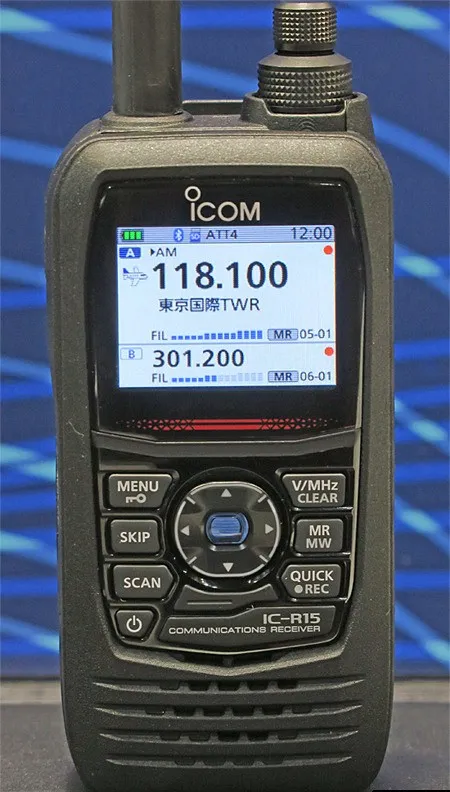
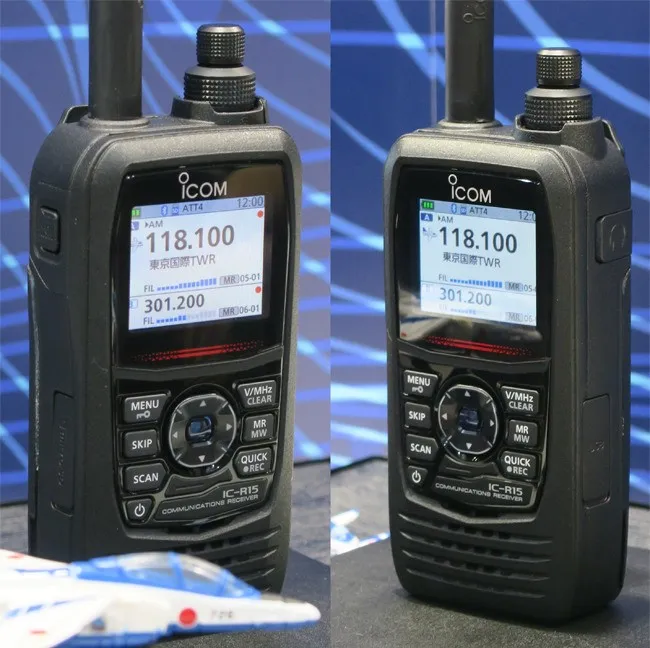
On August 19, 2023, ICOM showcased a handheld broadband receiver called “IC-R15” as an exhibit at the “Ham Fair 2023” exhibition. The receiver has a receiving frequency range of 76~500MHz, supports AM/FM/WFM mode, and can receive two waves simultaneously in all frequency bands. It is equipped with an easy to read color LCD screen, supporting Bluetooth, recording function, Micro SD card slot, and more. Simultaneously supporting the simultaneous reception of two waves in the V/UHF frequency band.
ICOM aims to expand the range of reception enthusiasts, including aviation communication, etc. Therefore, at the company booth of the “Ham Fair 2023” exhibition, a handheld broadband receiver “IC-R15” that is easy for beginners was referred to and exhibited.
Although detailed specifications have not been disclosed yet, the receiving frequency range is 76-500MHz, supporting analog modes such as AM and FM (WFM is also supported in the broadcast band). For novice users who are new to the receiver, it is equipped with “simple mode” and “expert mode” to meet the different needs of users. The simple mode can only receive one wave, but the expert mode supports simultaneous reception of V/V, U/U, and V/U bands.
It is equipped with an easy to read color LCD screen, equipped with Bluetooth function, micro SD card slot, USB-C interface, and supports receiving audio recording (when receiving two bands at the same time, two bands of audio can be recorded simultaneously). At the same time, the recorded audio can also be played back on the computer.
ICOM stated, “Our goal is to make it easy for non enthusiast level users to use this receiver. By selecting menu options, reception can be easily achieved.”
How to improve the communication distance of walkie talkies? The following suggestions are arranged based on convenience and cost of use
Increase launch altitude:
There is a saying circulating in the circle of amateur radio enthusiasts: “Height determines everything!” Practice has proven this to be a truth. The principle is very complex, and we will not elaborate on it here. When buying handheld walkie talkie , everyone sees this indicator: communication distance of 3-xx kilometers, which refers to the communication distance in open ground areas. And what would happen if you stood on the mountaintop with a handheld platform? The fact is that you can still connect with friends from another high-rise building!
Choose communication environment and direction:
Choosing the communication environment and direction is important, as it can sometimes lead to significant differences in connectivity quality. Generally, we should follow the following principles:
A. Try to choose a higher terrain for connectivity, such as if you can connect on the second floor, not on the first floor.
B. Try to choose outdoor communication as the building walls have strong reflection and attenuation of 70 centimeter waves.
C. Try to avoid residential areas surrounded by buildings, densely packed buildings in the old city area, areas with dense trees, under high-rise buildings, road sections surrounded by large cars, tunnels and bridges, and large metal billboards in front of you.
D. Utilizing urban canyons: This is very important. In our big cities, there are numerous tall buildings and dense buildings, making it difficult to find real opportunities for line of sight transmission. Therefore, we need to make good use of the existing environment. The so-called urban canyon refers to the dense and tall buildings on both sides, as well as the wide and winding main roads. Even if connected on the same route as its intersection (such as vertical or diagonal sections), the connectivity effect is generally good. On the contrary, if both parties are in a complex path or building complex, the connectivity effect will be very poor. Therefore, we propose that if you are planning to connect while driving, please start after entering the wide road.
E. Choose the correct direction and avoid the obstruction of tall buildings and metal structures as much as possible between the points connected to you. If you place it behind your connecting direction, it can also serve as a signal reflector.
F. Nighttime connectivity is more effective than daytime connectivity.
G. Fixed point connectivity is more effective than mobile connectivity.
Improve receiving sensitivity:
I don’t think I need to explain this further. If both parties increase the receiving sensitivity, it is equivalent to increasing the transmission power for the other party. Please don’t tell me that you don’t know how to adjust the receiver sensitivity of the radio station, as this is included in the manual.
Using high gain transmitting antennas:
The efficiency of antennas is represented by gain, and different types of antennas have different gains. Generally speaking, specialized extended handheld antennas (commonly known as small whip antennas) are better than the original handheld antenna (gain of approximately 2.15DBi), car mounted antennas are better than small whip antennas (gain of 5.5-6.5DBi), pole mounted antennas are better than car mounted antennas (gain of 6.5-12DBi), and multi unit unidirectional antennas (such as Yagi antennas, logarithmic periodic antennas, circular antennas, etc.) are better than pole mounted antennas (gain of 9-24DBi).
It is strongly recommended that friends who are connected in the car use a car antenna. Keep in mind that every 3DBi gain is equivalent to doubling the transmission power of your radio station. At the same time, it avoids signal shielding of your handheld device inside the car and radiation to the human body inside the car.
Students who set up a station at home recommend using a rod antenna, which has high gain, high strength, and is easy to install. With the installation height on the rooftop, it is not a problem to cover the entire city, and some can be connected to other cities.
Increase transmission power
Some students can’t help but ask: When I bought my handheld walkie talkie, the power was already set. How can I increase the power? In fact, there are still ways:
A. The transmission power of handheld walkie talkies is related to the voltage and capacity of the battery. When fully charged, the transmission power is higher, and vice versa. And most of the time our handheld walkie talkies work in a low battery state, so we recommend using lithium batteries that can be charged at any time to ensure maximum transmission power.
B. Some models of handheld walkie talkies can set their own transmission power (such as the Lingtong 6288), and can set a transmission power higher than 5W.
C. Some radio stations can use external power sources (nickel hydrogen batteries) to ensure maximum transmission power of handheld walkie talkies.
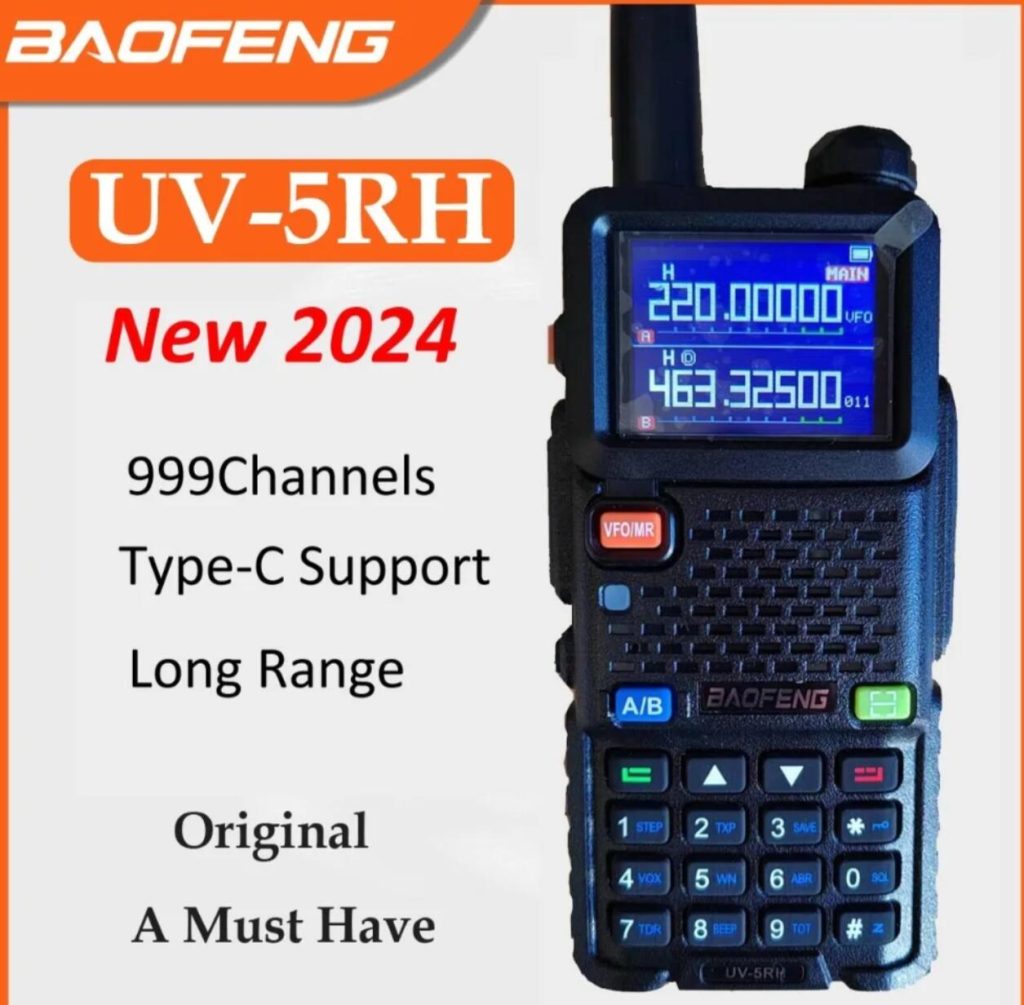
If the input voltage of the external power supply is increased (higher than the nominal battery voltage but lower than 13.8 volts), it can increase the nominal transmission power of the handheld walkie talkie. For example, the Beifeng 71-B can output nearly 5W of transmission power under a voltage of 12V-13.5V. But it is recommended that students use this method with caution. If the call time is too long or there are no appropriate heat dissipation measures, it is easy to burn out the amplifier module.
Using relay stations for transfer:
The so-called relay station is a type of relay station set up at a high altitude, which uses uplink frequency to receive radio signals with varying strengths at scattered points and converts them into downlink frequency equal power transmission. It can be composed of two radio stations, one power supply, and corresponding control conversion circuits. The armed police, public security, transportation and other departments use this type of relay station to ensure that users have no blind spots and high-quality communication.
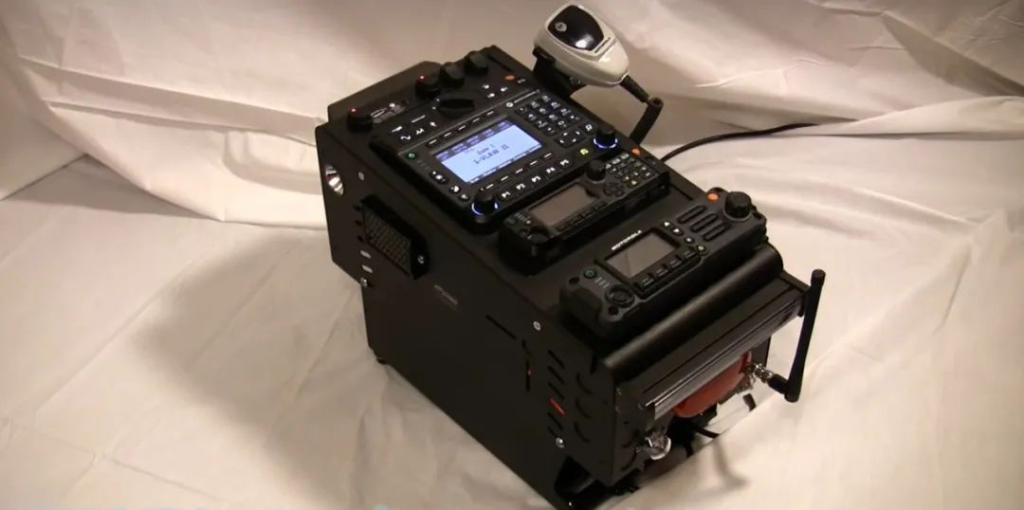
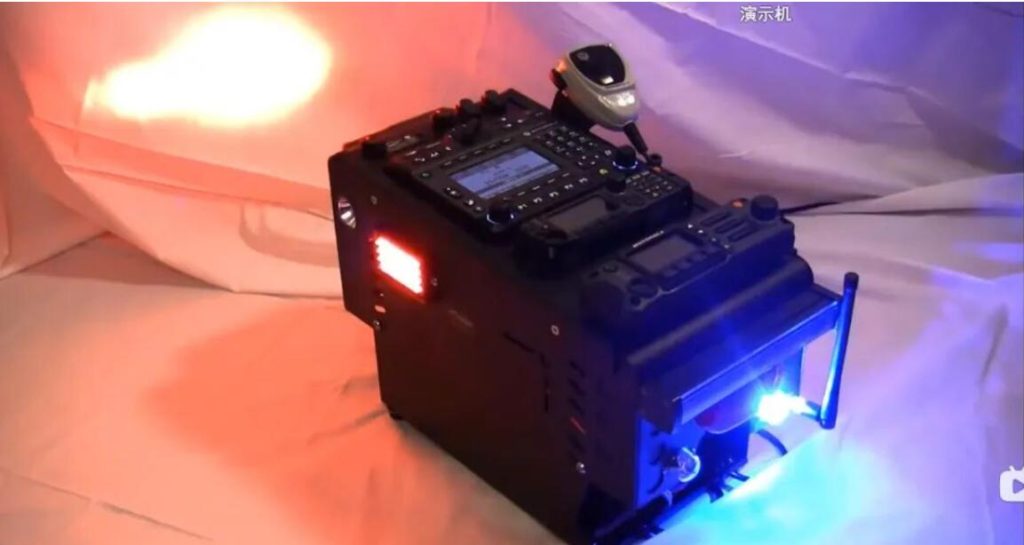
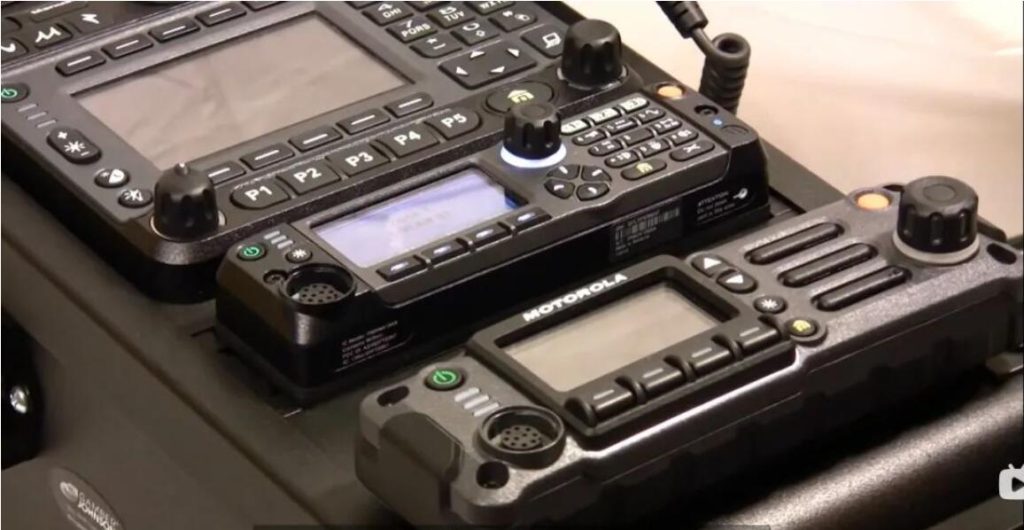
Motorola is one of the world’s leading professional communication solution providers, and has received widespread attention in the field of public safety in recent years. As part of Motorola’s public safety communication product line, the APX7500 is a fully functional in vehicle communication device that can meet various communication and data transmission needs in the fields of public safety and emergency rescue.
The APX7500 has a variety of communication technologies, including analog, digital, FM, and Trunking, and supports multiple frequency bands and bandwidths, which can quickly respond to the needs of different application scenarios. In terms of digital communication, the APX7500 adopts the Motorola ASTRO25 digital protocol, which has high interoperability and security, and is compatible with devices from other manufacturers. The most important thing is that the APX7500 has a built-in GPS positioning function, which can monitor real-time vehicle position, speed and other information, making it easy for dispatchers to monitor and command.
In terms of ensuring user safety, APX7500 has multiple protective measures. The product has durable properties such as shock resistance, water resistance, dust resistance, and high temperature resistance, and can work normally in extreme environments. At the same time, APX7500 also supports voice and data encryption technology, which can ensure the confidentiality and security of communication content, and prevent sensitive information from being illegally listened to.
In addition to communication and security features, APX7500 also has rich application functions. In addition to highly operable individual equipment, the APX7500 can also achieve applications such as voice broadcasting, data transmission, GIS mapping, etc. In addition, the APX7500 can be seamlessly integrated with other vehicle systems, such as GPS navigation, video surveillance, etc., to achieve data exchange and information sharing, greatly improving the efficiency of public safety and emergency rescue.
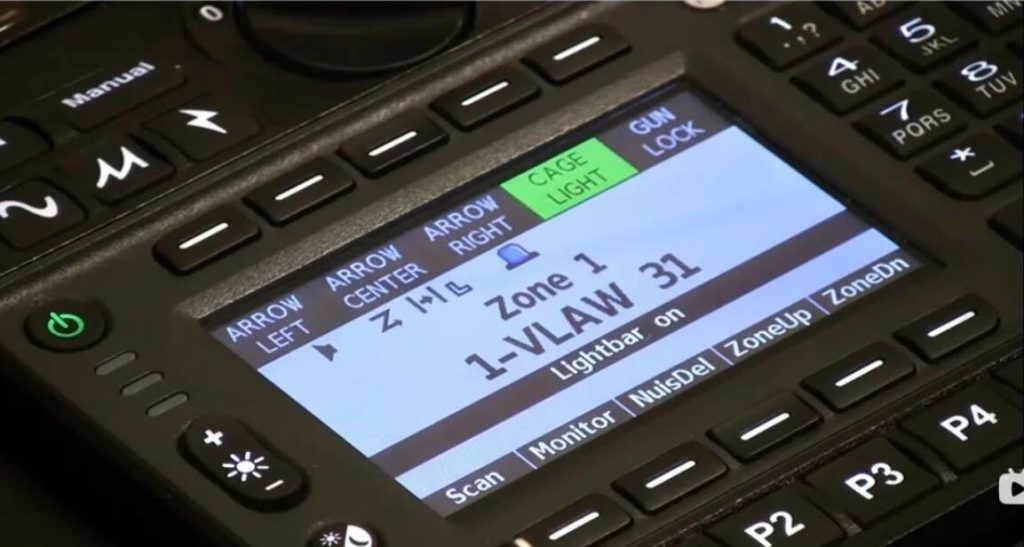
The appearance design of APX7500 is simple and beautiful, which is conducive to user installation, matching, and debugging. The device panel integrates menu operation keys, volume keys, preset keys, and other function keys, making the operation simple and clear. The product software management system is also very easy to use and can be quickly mastered.
In summary, the Motorola APX7500 is a fully functional and high-performance vehicle communication device that supports multiple communication protocols and frequency bands, with good durability and security, and can be applied to various application scenarios. Compared with other smartphones and other devices, the APX7500 is more durable and secure, with a better operating experience and richer application functions. It can meet various needs of different industries and is an excellent car communication device.